
Ghana has become the centre of Africa’s electricity integration agenda this week as power utility leaders, regulators and energy experts from across the continent converge in Accra for the 60th Annual General Meetings of the Association of Power Utilities of Africa (APUA), a gathering that could shape the next phase of regional electricity market development and cross-border energy cooperation.
Held under the patronage of the Minister for Energy and Green Transition, Dr. John Abdulai Jinapor, the week-long event is taking place from July 27 to July 31, 2026, at the Mövenpick Ambassador Hotel and is being hosted under the theme: “Accelerating Africa’s Electricity Market Integration: Advancing Regulatory Readiness, Regional Market Development and Strategic Partnerships.”
The meeting brings together nearly 200 chief executive officers, managing directors, technical directors, regulators and industry specialists from APUA member utilities, alongside representatives of African and international institutions supporting the continent’s power sector transformation.
While the gathering is formally an annual utility meeting, its significance goes beyond institutional routine.
It comes at a time when many African countries are struggling with rising electricity demand, financing constraints, grid instability and the challenge of integrating renewable energy while expanding access to power.
Accra becomes a continental energy policy hub
The meetings are being organised in collaboration with VRA, Bui Power Authority, GRIDCo, ECG and NEDCo, placing Ghana’s key power institutions at the centre of discussions on regional electricity trade, regulatory harmonisation and energy transition planning.
According to the organisers, the event is intended to provide a platform for strategic dialogue, knowledge sharing and partnership building aimed at addressing emerging challenges in Africa’s electricity sector.

Key sessions include the Ordinary General Assembly, the APUA CEOs’ Governance and Leadership Forum, the African Single Electricity Market (AfSEM) Forum, the ANCEE Steering Committee Informative Meeting, and a joint APUA–IRENA–UNEZA capacity-building session on energy transition and renewable energy.
The opening ceremony is scheduled for Tuesday, July 28, and will be streamed live on the social media platforms of APUA, VRA and the participating Ghanaian utilities.
Why the African Single Electricity Market matters
At the heart of the Accra discussions is the African Single Electricity Market (AfSEM), an initiative designed to create an integrated continental electricity market that would allow African countries to trade power more efficiently across borders.
For Ghana, the issue is particularly important.
The country already participates in regional electricity trade through the West African Power Pool (WAPP) and has positioned itself as a potential energy hub within the sub-region.
Stronger continental market integration could expand opportunities for electricity exports, improve supply reliability and attract investment into generation and transmission infrastructure.

Electricity market integration is not only a technical project; it is an economic development strategy that can improve reliability, reduce costs and support industrial growth across Africa.
Energy analysts say fragmented national power systems remain one of the biggest obstacles to Africa’s industrialisation.
Many countries have surplus power at certain periods while others face shortages, yet limited interconnection and regulatory differences often prevent efficient power exchange.
Regulation and infrastructure remain the missing links
One of the strongest signals from the APUA agenda is that Africa’s electricity challenge is increasingly being viewed through the lens of regulatory readiness and market governance, not just generation capacity.
Cross-border electricity trade requires compatible rules on pricing, transmission access, settlement systems, grid codes and dispute resolution.
Without these foundations, interconnections alone cannot create a functioning regional market.
This is where Ghana’s experience becomes relevant. The country has spent years strengthening sector regulation through institutions such as the Public Utilities Regulatory Commission and the Energy Commission, while also expanding transmission infrastructure through GRIDCo.
Although Ghana still faces challenges, including ECG’s financial difficulties and broader sector debt pressures, it remains one of the more developed electricity markets in West Africa.
Technical visits carry strategic symbolism
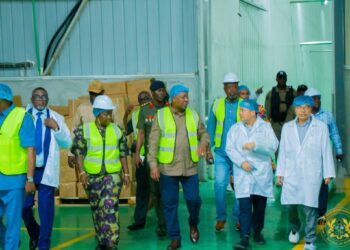
Beyond conference sessions, delegates will undertake technical visits on July 31 to generation, transmission and distribution facilities in Akosombo, Akuse, Tema and Bui, as well as selected training centres.
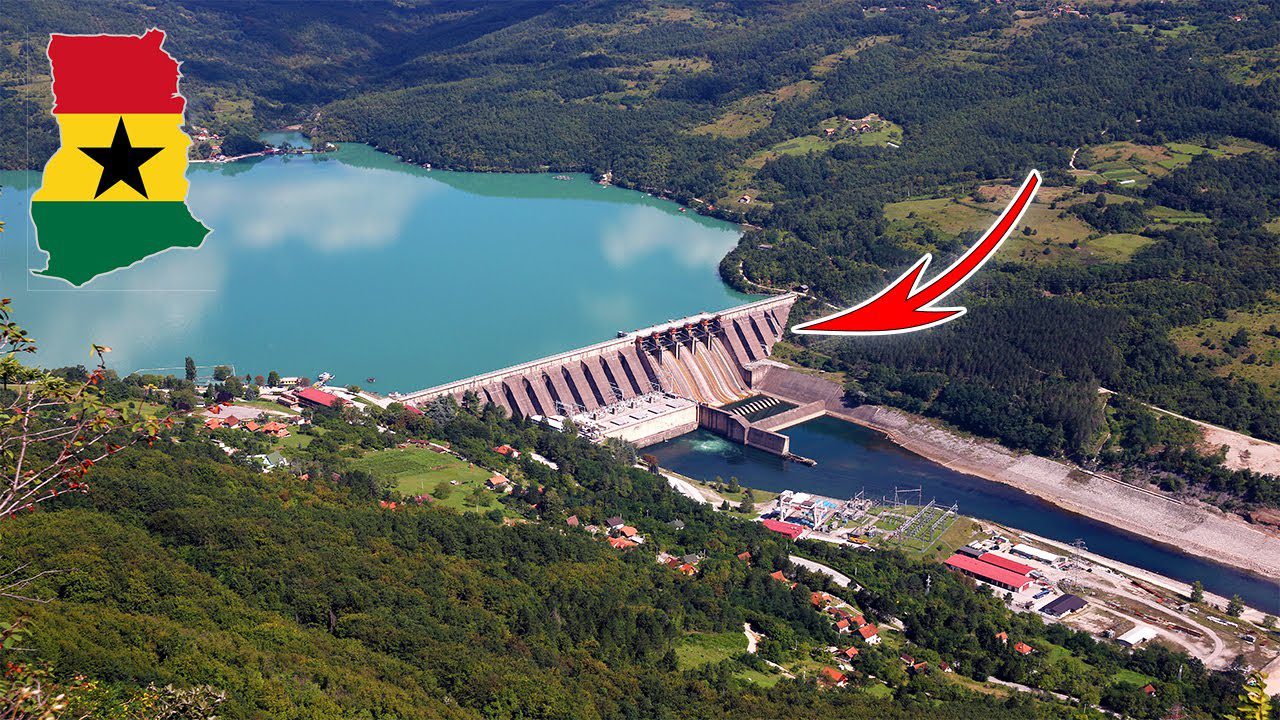
The visits are not merely ceremonial. They allow African utility leaders to examine operational practices, grid management systems and infrastructure planning in one of the region’s most interconnected power systems.
The inclusion of both hydro and thermal facilities also reflects the broader continental debate on balancing energy security with the transition to cleaner energy sources.
Ghana’s hosting role sends a regional signal
Hosting the 60th APUA meetings is also a diplomatic statement.
It signals Ghana’s intention to remain actively involved in shaping Africa’s energy governance architecture at a time when competition for energy investment is intensifying across the continent.
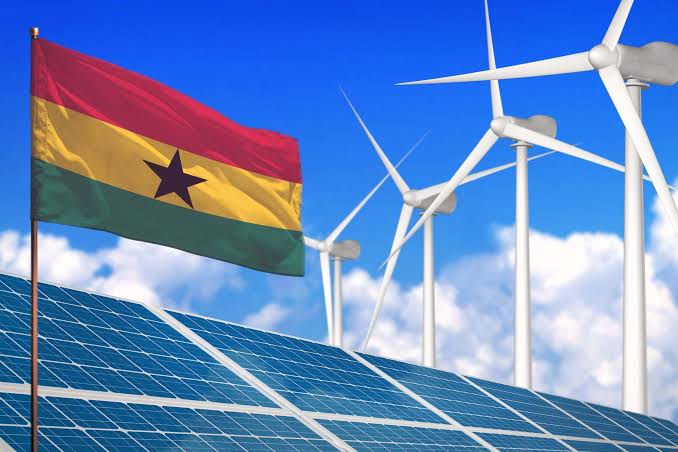
The presence of international partners, including organisations involved in renewable energy and energy transition financing, further positions Accra as a venue for discussions that extend beyond West Africa.
According to a report, the meetings are expected to focus heavily on regulatory readiness, regional market development and strategic partnerships needed to accelerate electricity integration across Africa.
The bigger challenge is financing integration
The enthusiasm surrounding regional electricity markets should not obscure the scale of the financing challenge.
Africa still requires billions of dollars in transmission investment, grid modernisation and generation expansion to make continental power trade commercially meaningful.
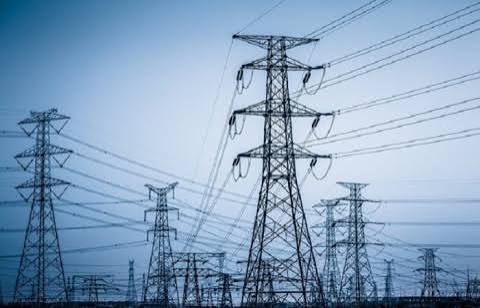
Interconnectors, substations, digital control systems and balancing mechanisms are expensive, and many utilities remain financially constrained.
Ghana itself is grappling with sector debt and the need for ongoing reforms to improve revenue recovery and operational efficiency.
This creates an important tension: Africa wants deeper electricity integration, but many of the institutions expected to drive that integration are under financial pressure.
The success of electricity integration will depend not only on political commitment, but on whether utilities become financially stronger, more transparent and better able to attract long-term investment.
A critical moment for Africa’s energy future
The Accra meetings therefore arrive at a critical moment.
Africa is trying simultaneously to expand electricity access, integrate renewable energy, improve utility performance and build regional power markets.
These goals are interconnected.

Without stronger utilities, regional markets will struggle. Without regional markets, renewable integration becomes more expensive. Without reliable electricity, industrialisation slows.
For Ghana, the opportunity is twofold: to influence the continental integration agenda and to learn from the experiences of other African utilities confronting similar challenges.
As discussions continue through July 31, the real test will be whether the meetings produce practical commitments on regulation, transmission development, market design and financing cooperation.
If they do, the 60th APUA meetings may be remembered not simply as another annual utility gathering, but as a meaningful step toward a more connected and resilient African electricity system.
READ MORE: Israeli Ex-Security Officials Appeal to Trump Over Settler Violence