The Minister for Fisheries and Aquaculture, Emelia Arthur, has called for stronger investment in fish processing, improved food safety standards and reduced post harvest losses as Ghana intensifies efforts to protect food security and strengthen livelihoods across the fisheries value chain.
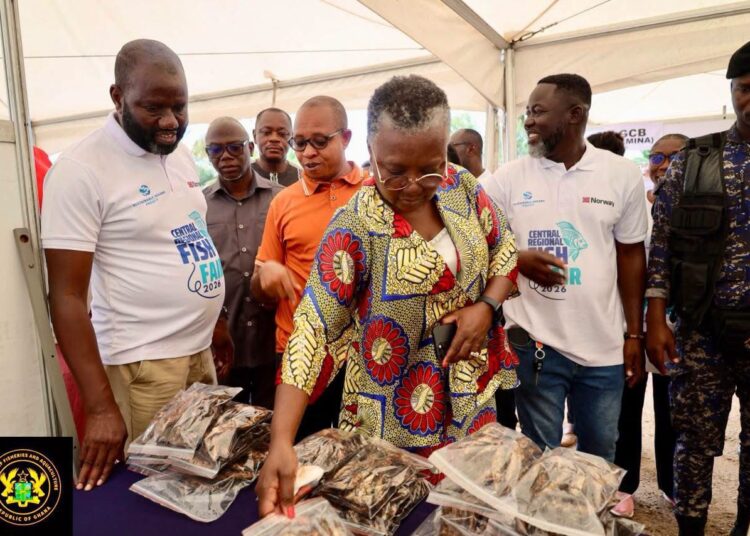
Hon. Arthur speaking at the opening of the 2026 Central Regional Fish Fair at Adisadel College Park in Cape Coast, the minister emphasised the need to improve fish handling, storage and processing practices to protect consumers while increasing the economic value of the country’s fisheries resources.
The two day fair, organised under the theme, “Securing the Food Chain: Safe Fish, Certified Processors and Informed Consumers for a Healthy Nation,” brought together traditional authorities, chief fishermen, fish processors, traders, development partners, regulatory agencies and government officials to promote sustainable fishing and safer fish products.
“Fish is central to Ghana’s food security, nutrition, and livelihoods. Every fish lost is income lost. Every unsafe fish sold puts lives at risk. Every investment in better processing is an investment in public health and economic opportunity.”
Minster for Fisheries and Aquaculture, Hon. Emelia Arthur
Reducing Post Harvest Losses
Hon. Arthur said improving the handling and preservation of fish after landing was essential to protecting the value of catches and increasing incomes for businesses operating along the fisheries value chain.
She identified upgraded fish smoking technologies, improved cold-chain storage and better access to financing as key priorities for reducing post-harvest losses, particularly among women who dominate fish processing and trading activities.
Post harvest losses remain an important concern for fisheries dependent communities because inadequate preservation, poor handling and limited storage capacity can reduce the quantity and quality of fish available for sale and consumption.
For processors and traders, these challenges can translate into lower earnings, wasted raw materials and difficulties meeting the quality requirements of more demanding markets.
Investments in improved processing equipment, hygienic facilities and reliable storage can help businesses preserve product quality, extend market opportunities and reduce avoidable losses.
The minister also stressed the importance of strengthening collaboration among the Fisheries Commission, Food and Drugs Authority (FDA), Ghana Standards Authority (GSA), environmental health officers and Metropolitan, Municipal and District Assemblies (MMDAs) to improve sanitation at landing beaches and processing sites.
She warned against illegal, unsafe and unauthorised fish processing methods, stressing that commercial interests should not override public health requirements.
Certification Opens Market Opportunities
The fair also highlighted food safety certification as an important instrument for improving the competitiveness of Ghanaian fish products.
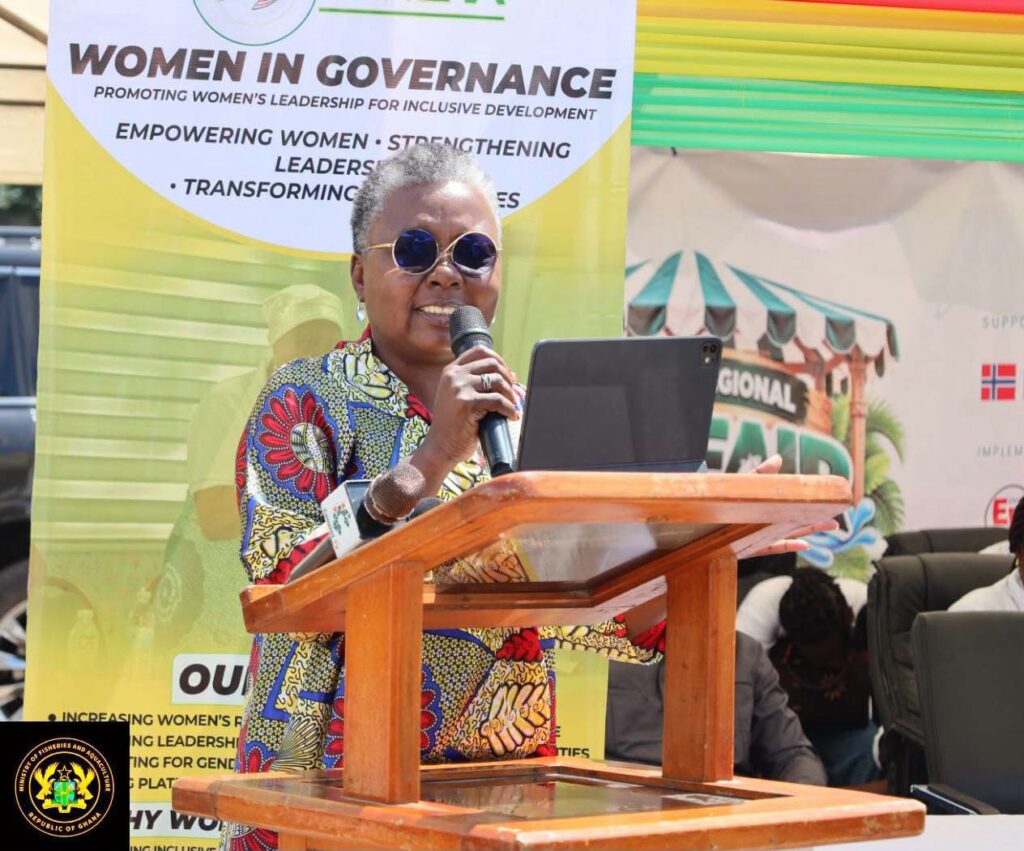
Central Regional Director of the Fisheries Commission, Emmanuel Dovlo, urged fish processors to view certification as an opportunity to improve their businesses rather than an additional regulatory burden.
Certification and compliance with applicable hygiene standards can help processors demonstrate that their products meet established requirements, strengthen consumer confidence and improve access to formal markets.
For small scale operators, however, achieving compliance may require investments in equipment, facilities, training and documentation. Access to technical guidance and affordable financing will therefore be important in helping businesses meet regulatory expectations.
“Food safety certification should not be seen as a hurdle, but as a gateway to premium markets, higher profit margins and protected consumers.”
Central Regional Director, Fisheries Commission, Emmanuel Dovlo
The emphasis on certification reflects the need to connect public health protection with commercial development. Improving processing standards can support a more reliable supply of quality fish products while helping businesses respond to changing consumer expectations.
Processors, traders and other value chain participants must also recognise that food safety extends beyond the processing stage. Proper handling during landing, transportation, storage, preparation and sale is necessary to minimise contamination risks.
Sustainable Fishing Protects Livelihoods
Environmental protection and responsible fishing practices featured prominently in discussions at the opening ceremony.
Representing Central Regional Minister Ekow Panyin Okyere Eduamoah, the Regional Director of Agriculture, Ebenezer Azasu, called for stronger action against illegal fishing, aquatic pollution and illegal mining, commonly known as galamsey.
These activities can threaten aquatic ecosystems, undermine the sustainability of fisheries resources and expose fishing communities to economic uncertainty.
Protecting marine and inland aquatic environments is therefore closely linked to the long-term availability of fish, the stability of livelihoods and the resilience of communities that depend on fishing and related businesses.
“Safeguarding marine habitats requires collective action against illegal fishing, aquatic pollution and illegal mining to protect fisheries resources and secure community livelihoods.”
Central Regional Director of Aquaculture, Emmanuel Azasu
The contribution of civil society organisations was also highlighted. Speaking on behalf of the Executive Director of CEWEFIA, Victoria C. Koomson, the organisation’s Head of Programmes, Nicolas Smith, outlined the Sustainable Ocean Project’s work in providing technical training, modern processing equipment and business support.
Such interventions are relevant to improving the capacity of small scale processors, particularly women led enterprises, to adopt safer technologies and strengthen their commercial operations.
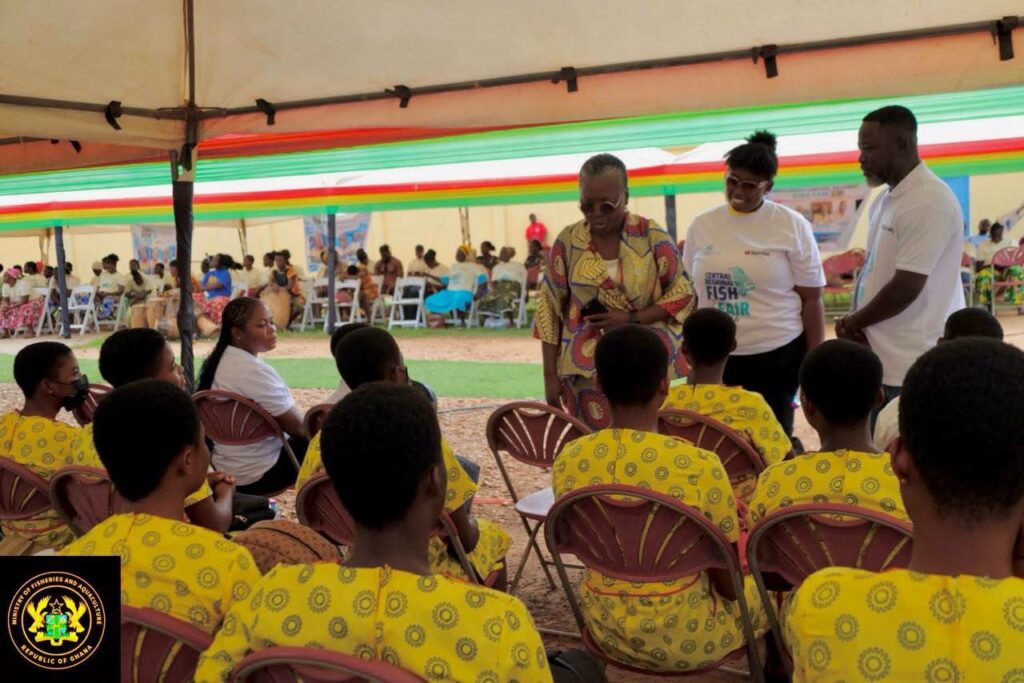
The combination of environmental protection, improved processing and business development is essential to building a fisheries sector that supports food security without undermining the natural resources on which future production depends.
Exhibition Promotes Innovation
Chaired by Osabarima Dr Kwesi Attah II, the Oguaaman Hen, the opening day combined policy discussions with cultural performances and exhibitions showcasing fisheries-related products, services and educational initiatives.
Participants also toured exhibitions featuring civil society organisations, regulatory agencies, financial institutions and educational institutions, including Edinaman Senior High School, Eguafo Abrem Senior High School, Cape Coast Technical Institute and the University of Cape Coast’s Centre for Coastal Management.
A live seafood and freshwater culinary showcase demonstrated the preparation of local dishes under food safety and hygiene standards, reinforcing the connection between safe handling practices and consumer protection.
The fair continues through October 10, with networking sessions designed to connect fish processors with buyers and suppliers of technical equipment.
These engagements provide opportunities for businesses to explore commercial relationships, identify processing solutions and exchange knowledge on improving product quality.
As Ghana works to strengthen food security and sustainable fisheries management, the event underscores the importance of linking responsible fishing with effective preservation, certified processing and informed consumption.
The lessons from the fair will be particularly relevant to small-scale operators seeking to reduce losses, improve compliance and increase the value of their products.
The activities also build momentum towards the World Fisheries Day celebrations scheduled for November 21 in Accra, providing another opportunity to advance discussions on sustainable fisheries, food safety and the livelihoods of fishing communities.
READ ALSO:Standard Chartered Bank Pledges Partnership on New Crop Financing Model to COCOBOD