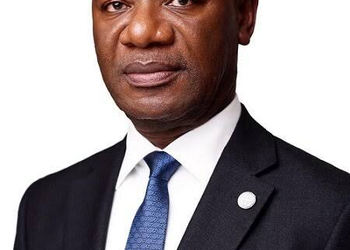
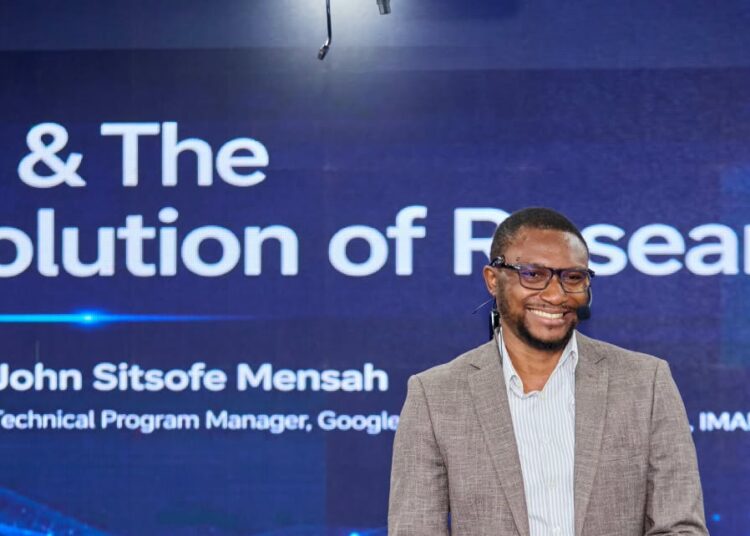
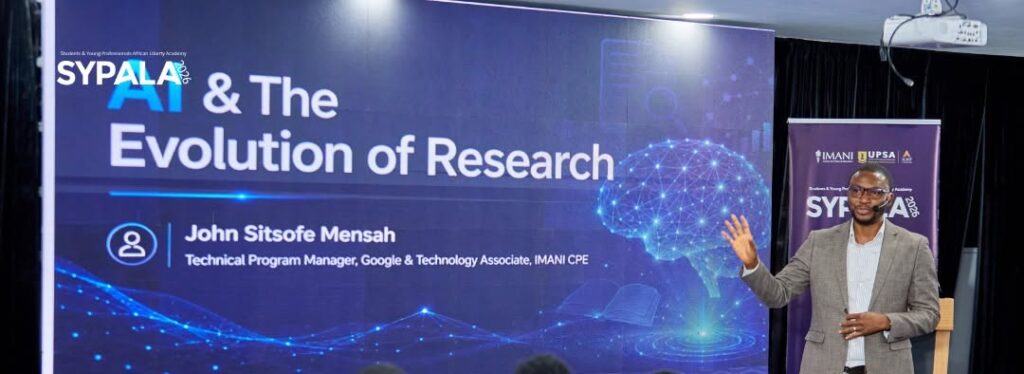
IMANI Associate Sitsofe John Mensah has cautioned that Ghana’s exploration of BRICS membership must be matched by deep reform at home. He made the argument in a commentary titled “Ghana’s BRICS Calculus Is a Test of Multipolar Reality.”
Mr Mensah acknowledged that BRICS offers alternative capital from the New Development Bank and the prospect of less dollar dependence in bilateral trade.
He warned, however, that a country exporting raw commodities and importing finished goods risks wider trade deficits, a transshipment trap and strained ties with regional and security partners, and he urged Accra to revive Kwame Nkrumah’s doctrine of active nonalignment.
“Unless Accra radically transforms its domestic economy, joining BRICS will not end its structural dependencies. It will merely change the geographic coordinates of its creditors and suppliers.”
Sitsofe John Mensah, IMANI Associate
Why BRICS Appeals to Accra
Mr Mensah described Ghana as a foundational pillar of the established global economic architecture in Africa, a politically stable state and a consistent partner of the Bretton Woods institutions.
He wrote that news of Accra exploring BRICS membership marks a turning point, because it suggests traditional financial institutions have lost their monopoly on African economic futures. The appeal, he explained, is structural for a government managing sovereign debt and persistent currency depreciation.
The primary draw is alternative capital from the New Development Bank, which he noted is typically offered without the prescriptive domestic mandates historically tied to established global loans. Policymakers across the Global South, he added, are also reacting to the vulnerabilities exposed by the outsized dominance of the US dollar.
A Consumer Economy Meets Manufacturing Giants
Mr Mensah then turned to the risk. He stated: “But there is a profound risk in confusing geopolitical realignment with economic transformation.” In his reading of the domestic ledger, Ghana remains structurally a consumer economy.
It exports gold, cocoa and oil in their rawest forms while importing finished goods that range from heavy machinery to agricultural staples. Joining a bloc dominated by manufacturing behemoths such as China and India, he cautioned, could worsen the country’s trade deficits.
“A nation cannot negotiate robustly at the high table of global trade while primarily exporting unprocessed ores.”
Sitsofe John Mensah, IMANI Associate
He also linked reform to the land itself. Illicit mining degrades rivers and arable lands, he argued, and that damage undermines the agricultural mechanisation needed to feed a youthful and urbanising population. Enforcing environmental protections, in his view, has become a prerequisite for economic sovereignty.
Free Trade Gateway and the Transshipment Risk
Mr Mensah noted that Ghana hosts the secretariat of the African Continental Free Trade Area, which positions it as a gateway to a market of more than one billion people. The optimistic case, he wrote, is that Accra can use Chinese, Indian and Brazilian capital to finance the regional railways and logistics hubs the region urgently needs.
The danger lies in what he called a transshipment scenario. “Without a muscular industrial policy, Ghana could inadvertently become a mere conduit,” he warned. Goods from highly efficient export economies could be lightly assembled, labelled as locally made and channelled tariff-free into the regional market.
That outcome would suffocate indigenous African manufacturing and strain relations with industrialising neighbours such as Nigeria. His remedy is strict institutional discipline, with Ghana’s trade authorities defending regional rules of origin with absolute precision.
Sahel Realignment Raises the Stakes
Mr Mensah placed the debate against West Africa’s shifting security map. Mali, Burkina Faso and Niger have formally separated from their regional bloc to form the Alliance of Sahel States and are building new security partnerships with Moscow. Ghana, by contrast, remains anchored in established frameworks such as the Accra Initiative.

A seat at the same table as Moscow and Beijing, he argued, gives Ghana access to the powers now shaping the security environment on its northern borders. Yet some traditional partners increasingly view BRICS as a field of absolute geopolitical competition.
Mismanaged integration, he cautioned, could strain relations with nations that still provide vital intelligence sharing and preferential trade access.
Nkrumah’s Non-alignment as a Guide
To walk that tightrope, Mr Mensah urged Accra to revive the doctrine of its founding President, which he named as “active nonalignment.” Ghana, he wrote, must communicate that its BRICS engagement is a pragmatic pursuit of development finance and technology transfer, not an ideological pivot.
He also cautioned against trading one currency reliance for another. Accra cannot simply swap dollar dependence for yuan dependence, he insisted, and must prioritise African payment systems to advance local currency trade.
Institutional Capacity and Regional Leverage
Mr Mensah named institutional bandwidth as the greatest constraint. Negotiating on equal terms with the economic titans of the Global South requires an elite and well-resourced civil service, he explained, while the same officials manage domestic fiscal policy and continental integration.
“Treaty fatigue is a real phenomenon,” he observed, and asymmetrical negotiations often produce weak deals for developing economies. He reframed Ghana’s regional duties as strength: “Ghana’s regional commitments are not hurdles to joining BRICS. They are its fundamental leverage.”
BRICS nations, he noted, are not courting Accra for a domestic market of 33 million people alone. They want a strategic node into the wider African economy. Without structural reform, Mr Mensah warned, Ghana risks becoming an overburdened and deindustrialised intermediary.
With strategic foresight, he concluded, Accra could turn BRICS capital into physical African integration and carry out one of the most remarkable balancing acts in global economics this century.
READ ALSO: Big Push Earns Ghana’s Clearest Positive Economic Sentiment