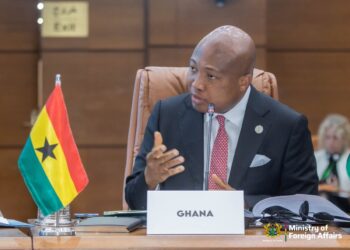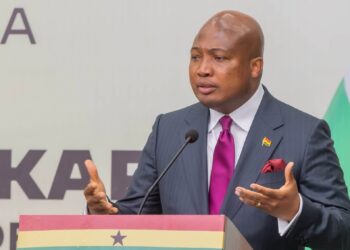
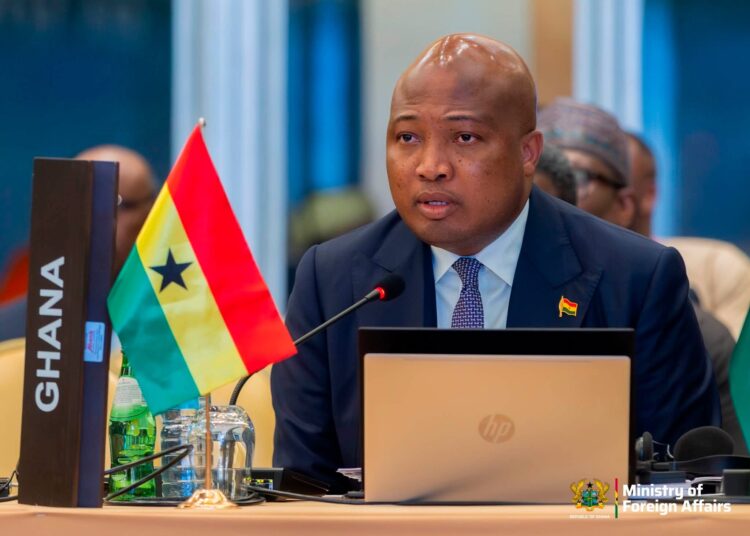
Ghana will apply to join BRICS as a partner country and move gradually towards full membership, Foreign Affairs Minister Samuel Okudzeto Ablakwa has announced. He disclosed the plan in a media interview today, October 10, 2026.
Hon Ablakwa argued that the approach gives Ghana access to New Development Bank funding, currency stabilisation, stronger Global South solidarity and wider economic options. He presented the move as a way to diversify the country’s partnerships while keeping its existing ones.
“We want to start as a partner country and then we will gradually progress into full membership as the situation evolves.”
Samuel Okudzeto Ablakwa, Minister for Foreign Affairs
Hon Ablakwa explained that Ghana will not seek full membership immediately. He stated: “We should begin as a partner country, just as Nigeria has done.
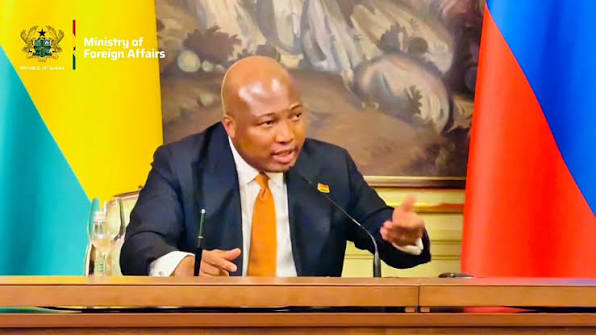
The announcement follows earlier reporting that the cabinet has approved the bid. However, Hon Ablakwa did not give a timetable for the application or for any later move to full membership. He tied the pace of progress to how the situation evolves.
How the Bloc Grew
Hon Ablakwa traced the history of the BRICS bloc to show where Ghana fits. He credited Goldman Sachs economist Jim O’Neill with formulating the concept in a 2001 article. The group began as BRIC, made up of Brazil, Russia, India and China, and its foreign ministers first engaged in 2006.
At the first summit in 2009, he recalled, members agreed that the group needed African representation in the name of Global South solidarity. As such. they invited South Africa, which became a full member by 2011. Today, BRICS has 11 full members and about 10 partner countries, including Nigeria, Vietnam and Uganda.
The Minister listed the advantages that drive Ghana’s interest. Membership offers access to funding from the New Development Bank and currency stabilisation, and it brings strong solidarity among Global South countries.
He framed the choice as a search for better results from a development model that has not satisfied Ghana. The country has long tied its development to the Bretton Woods institutions, he noted, and he asked: “Can we try other options? Do we always have to dollarise?”
He argued that it makes little sense to keep relying on the same paradigm when the results disappoint. “Let’s give ourselves options,” he urged.
Cedi to Yuan Trade Shows Early Results
Hon Ablakwa pointed to a practical example. Ghana has already begun settling some transactions with China directly with the cedi, he disclosed. He stated that the country is seeing the results and that the arrangement is helping to stabilise the currency.
BRICS engagement, in his view, would let Ghana extend that kind of experiment by trading in local currencies where it makes sense. For the North Tongu MP, the decision is a strategic one about breadth.
He insisted that Ghana is “diversifying our geopolitical footprints.” He said the country wants more channels, more influence and more economic opportunities for its development.
He argued that the partnership builds on existing ties. Ghana, he noted, has long worked with China, India, Russia, Brazil, South Africa, Indonesia and other countries that are members or partners of BRICS.
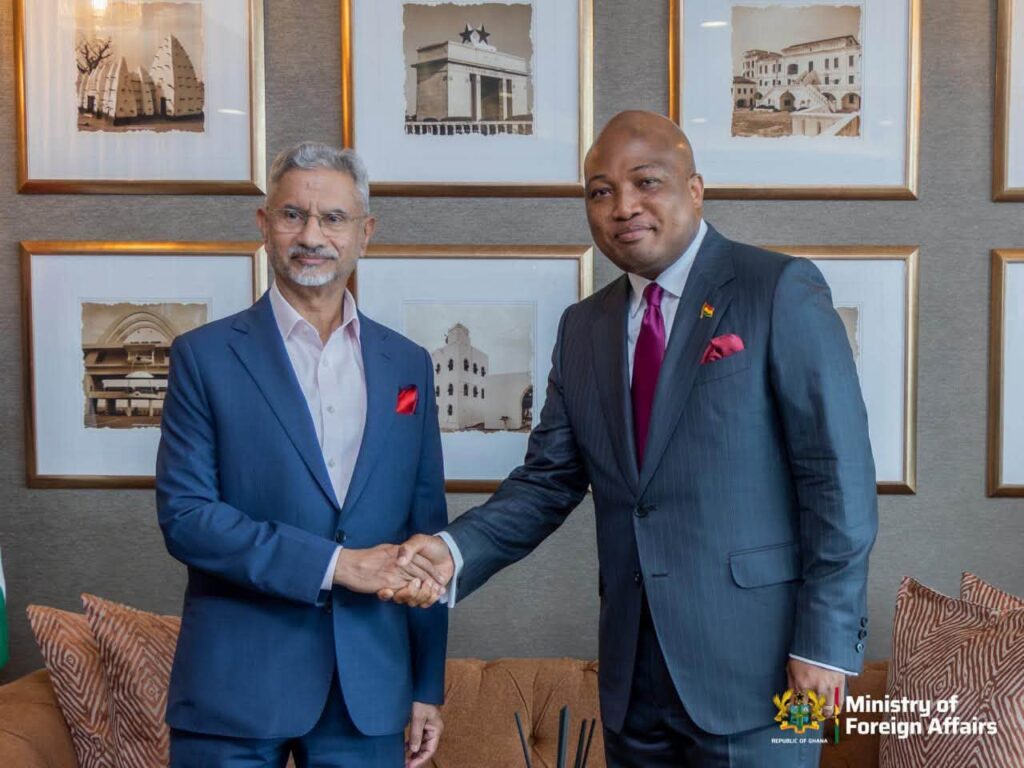
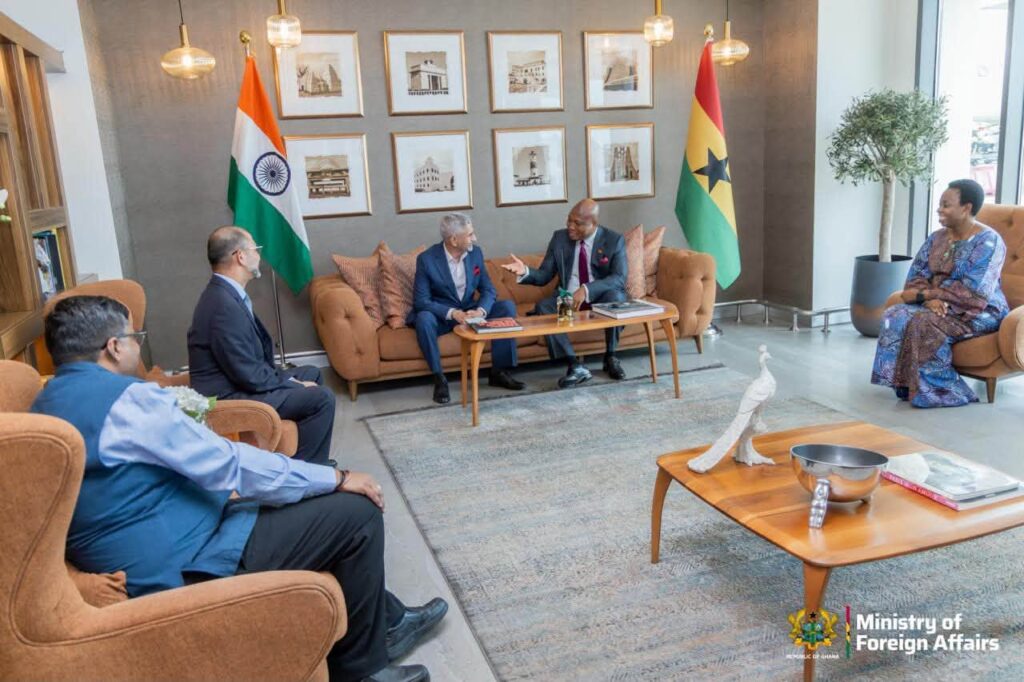
Those countries, including Egypt, India and Indonesia, joined Ghana in forming the non-aligned movement in 1961. He added that Ghana already has embassies of these countries in Accra and does business with them.
Hon Ablakwa stressed that the move does not end Ghana’s traditional relationships. He stated that Ghana will keep working with the International Monetary Fund and the World Bank, and he noted that the country has just signed a major European Union defence partnership. The goal, he explained, is to add options rather than swap partners.
READ ALSO: EU Calls For Global Death Penalty Ban