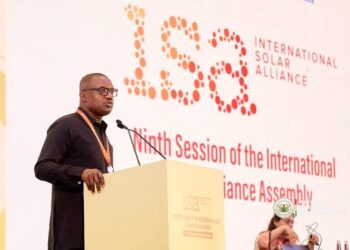

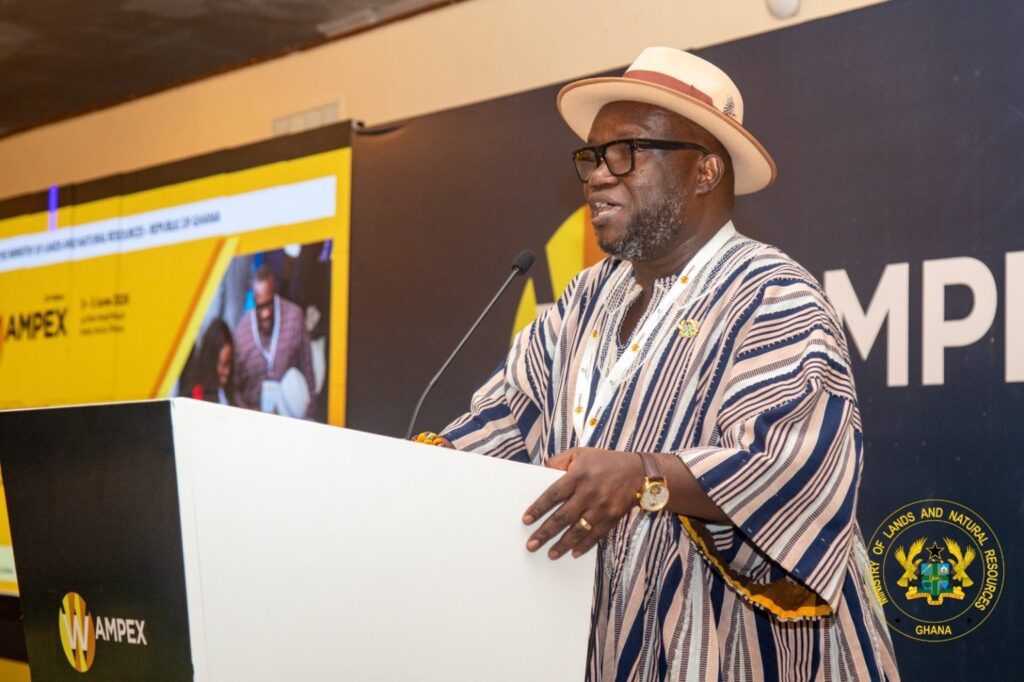
Ing. Kenneth Ashigbey, the Chief Executive Officer of the Ghana Chamber of Mines, has passionately urged mining entities operating across West Africa to place the safety and protection of their workforce at the center of their operational priorities.
Addressing key industry leaders, safety officers, and emergency response crews gathered in Obuasi for the inaugural West Africa Mine Rescue and Emergency Response Competition, Dr Ashigbey highlighted that no amount of mineral production or technological investment can replace human life.
He emphasized that maintaining rigorous safety standards across gold, bauxite, and industrial mineral extractions remains the fundamental foundation upon which any sustainable extractive economy must be built.
“Without people, there is no mine. If people cannot come and go home safely, then we don’t have a mine.”
Ing. Kenneth Ashigbey
Expanding on his call to action, the Chamber CEO maintained that the mining sector’s massive contributions to national revenue, capital investment, employment, and local infrastructural development become completely meaningless if subterranean and surface workers face constant hazards without guaranteed safe passage home.
Hosted by AngloGold Ashanti Obuasi Mine, the groundbreaking regional gathering has brought together specialized response teams from Ghana, Burkina Faso, Côte d’Ivoire, and Senegal to rigorously evaluate their emergency preparedness, refine technical tactics, and establish cross-border operational frameworks for high-risk mining environments.
Regional Rescue Capabilities and Technical Synergy
Managing Director of AngloGold Ashanti Obuasi Mine, Dr Samuel Boakye Pobee, reinforced the call for zero-harm mining cultures by charging delegates to look past ceremonial accolades and focus on practical impact.
Dr. Pobee reiterated that the inaugural event must serve as a launchpad for an enduring network of technical experts who can easily pool specialized assets, execute joint underground rescues, and share intelligence during catastrophic incidents.
Rather than viewing emergency response as an isolated internal duty, participating West African mining firms are intentionally pooling their technical knowledge to ensure that safety benchmarks across sub-Saharan Africa remain uniform, highly functional, and resilient.

The continuous transformation of West African mining operations demands an equally aggressive evolution in technical safety infrastructure.
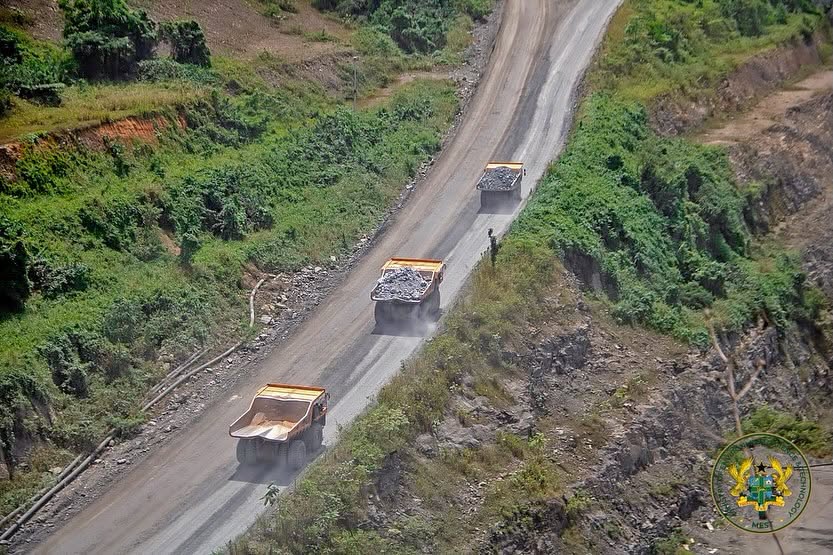
Mine rescue operations often involve complex environments ranging from deep-level underground shafts vulnerable to structural collapse, gas leaks, and flooding, to expansive open-pit operations exposed to heavy machinery collisions and slope failures.
By participating in realistic simulated disaster scenarios, technical response crews sharpen their real-time decision-making abilities, test modern breathing apparatuses, practice heavy casualty triage, and streamline communication protocols across international borders.
This multi-nation technical synergy ensures that when catastrophic operational failures arise, response teams can act seamlessly without jurisdictional or technical friction.
Economic Imperiality of Human-Centered Mining
In thorough research, the imperative for establishing a unified sub-regional rescue framework becomes clear when analyzing the changing economic and physical landscape of West African extraction.
The sub-region stands as one of the world’s most lucrative mining hubs, hosting extensive deposits of gold, lithium, iron ore, and manganese.
However, the rapidly expanding footprint of heavy extraction brings inherent risks, particularly as underground mines dig deeper into complex geological formations.
When emergencies occur, single mine site rescue units can easily be overwhelmed by the scale of an operational crisis, making immediate regional reinforcement a vital operational necessity rather than a secondary luxury.
Furthermore, prioritizing safety directly protects the immense socioeconomic investments driving national development across ECOWAS member states. Industrial accidents not only cause tragic human loss, but also disrupt local supply chains, stall regional economic output, damage corporate reputational standing, and erode host community trust.
As Dr Ashigbey observed, the protection of mine workers serves as the primary shield for the industry’s overarching assets, investors, and neighboring communities.
Moving away from fragmented, country-by-country safety silos toward a cohesive West African emergency network guarantees that capital investments are anchored by an unwavering commitment to human life.
Fostering a Regional Culture of Zero Harm
Dr Ashigbey reiterated that the Ghana Chamber of Mines will maintain its firm advocate stance in promoting zero-harm working environments throughout every operational jurisdiction.
He challenged participating rescue crews and company executives to utilize the Obuasi platform to critically analyze existing structural weaknesses, update equipment standards, and address operational bottlenecks within their respective emergency plans.

The ultimate benchmark of success for the mining industry will not be recorded in corporate financial reports or drill core yields, but in the everyday guarantee that every worker who descends a shaft or operates heavy machinery returns home unhurt to their families at the end of every shift.
Ultimately, the maiden gathering at Obuasi marks a historic shift in how West Africa views modern extraction.
By transforming mine rescue from an isolated corporate duty into an interconnected regional movement, mining firms are establishing an enduring precedent where human dignity stands alongside economic productivity.
As the five-day technical competition progresses, stakeholders across Ghana, Burkina Faso, Côte d’Ivoire, and Senegal remain steadfast in their commitment to making preparedness, technical excellence, and regional solidarity the defining standard of West African mining operations.
READ ALSO: TraffiTech-GH to Track Repeated Offences Against Drivers’ Licences