United Kingdom has agreed to enter structured negotiations with countries and communities affected by the transatlantic slave trade, marking a shift in its approach to demands for historical accountability as Commonwealth leaders press for recognition of slavery’s lasting consequences.
The commitment, outlined in the final communiqué of the 2026 Commonwealth Heads of Government Meeting (CHOGM) in Antigua and Barbuda, provides for a time-bound dialogue addressing the trafficking of enslaved Africans and its historical harms.
“We welcome the agreement of the Government of the United Kingdom to engage in a structured, time-bound, inclusive and good-faith dialogue with affected parties addressing the transatlantic trafficking of enslaved Africans and its historical harms.”
Final Communique of the Commonwealth Heads of Government Meeting (Chogm)
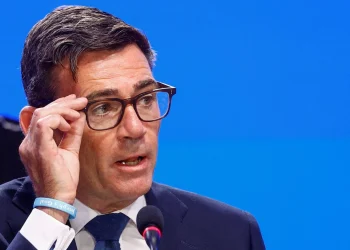
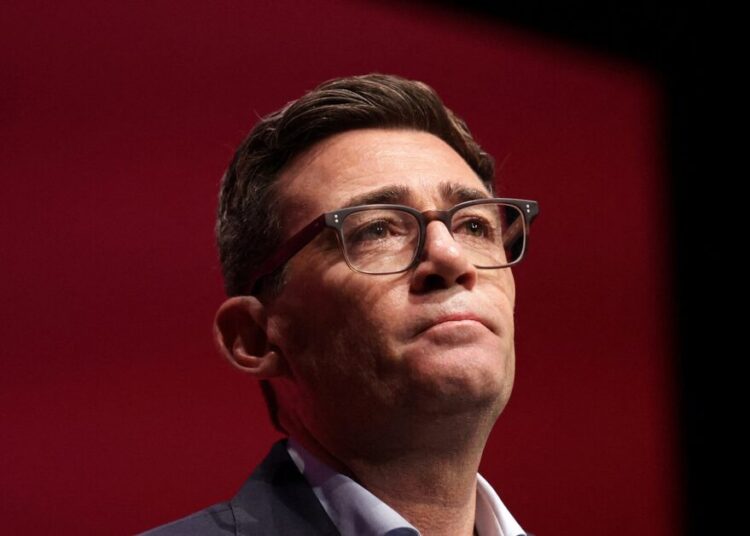
The development follows Prime Minister Andy Burnham’s decision to open the door to a formal British apology while maintaining the government’s opposition to direct financial reparations.
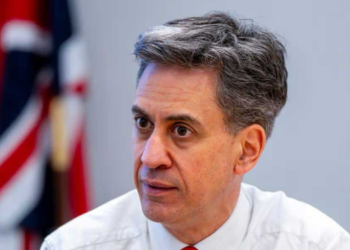
Foreign Secretary Ed Miliband has suggested that the discussions could conclude within approximately a year, potentially allowing a formal apology before the UK hosts the G20 leaders’ summit in Manchester in November 2027.
British officials indicated that the timeframe for the discussions would be determined through the proposed dialogue with affected countries and communities.
Asked whether UK could reach the point of issuing a formal apology by the time it hosts the G20 summit in Manchester next November, the Foreign Secretary responded, “Broadly speaking, yes.”
Andy Burnham described his new approach to Commonwealth relations as well received, calling the gathering one of the organisation’s most successful meetings in recent times.
The British commitment comes amid longstanding demands from African and Caribbean countries for recognition of the historical injustices associated with slavery and measures addressing their continuing economic and social consequences.
St Lucia’s Prime Minister Philip J Pierre, who chairs the 15-member Caribbean Community (CARICOM), has indicated that the regional bloc is prepared to engage in the proposed structured dialogue.
King Charles Acknowledges Slavery’s Lasting Historical Legacy
The discussions were accompanied by recognition of the transatlantic slave trade’s historical consequences, following an address by King Charles III at the Commonwealth gathering.
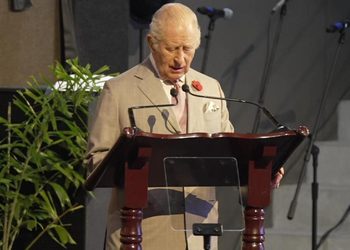
Speaking in his capacity as Head of the Commonwealth, the King acknowledged the enduring impact of slavery on Caribbean nations and other Commonwealth members, expressing profound sorrow over the historical abuses.
“The transatlantic trade in enslaved persons still casts a shadow over these islands and other Members of our Commonwealth. As I have said before, that shameful chapter of history is one that fills my heart with horror and my soul with the most profound personal sorrow.”
King Charles III
His remarks reinforced the significance of addressing slavery’s historical legacy as Commonwealth countries consider their shared future.
However, the King’s expression of sorrow did not constitute a formal state apology or establish any financial commitment towards reparations.
UK Prime Minister has maintained that UK will not pay direct reparations, instead proposing alternative forms of economic cooperation, including support for countries facing debt pressures.
The government has also committed £40 million over three years, from existing budgets, to accelerate critical infrastructure investment in the Caribbean, including green energy projects.
Ed Miliband has insisted that the shift in Britain’s approach will not require British taxpayers to contribute additional money, amid questions about whether future support could extend beyond existing commitments.
UK Apology Calls Trigger Political Disagreement
Despite the diplomatic progress, the prospect of a formal British apology and the question of reparations continue to generate political disagreement within the UK.
Andy Burnham has stressed that the historical legacy of slavery deserves an open and structured discussion with the countries and communities most affected.
However, Conservative leader Kemi Badenoch has urged the Prime Minister against issuing an apology, arguing that it could strengthen demands for financial compensation.
“I don’t think we should be giving any money to compensate people for the slave trade, and I don’t think that Andy Burnham needs to be apologising because it is a lever to wedge open the door to ask for cash.”
Conservative leader, Kemi Badenoch
This also follows previous attempts to address Britain’s involvement in slavery, including former Prime Minister Tony Blair’s 2006 expression of “deep sorrow and regret”, which stopped short of a formal apology.
For Commonwealth countries advocating reparatory justice, recognition and dialogue remain central to addressing the enduring consequences of the transatlantic slave trade.
READ ALSO: Real Madrid Rally to Beat AEK as Liverpool Suffer First UCL Loss