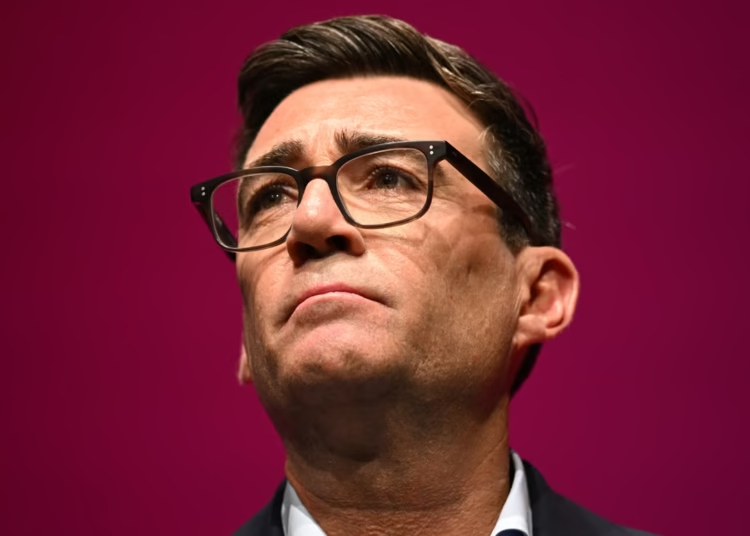
UK Prime Minister Andy Burnham has expressed willingness to consider a formal British apology for the transatlantic slave trade but has firmly rejected financial reparations, setting the stage for renewed discourse over Britain’s historical responsibility as Caribbean nations intensify calls for reparatory justice.
Prime Minister, Andy Burnham described the trafficking and enslavement of Africans as a “brutal and barbaric violation,” insisting that Britain must confront its historical involvement while opening discussions with countries and communities affected by the trade.
“Listening to calls for a formal apology on behalf of the British state will form an important part of this process. I am open to them.”
Andy Burnham
He added, “The Britain I believe in is confident, decent and brave. We led the world in abolishing slavery and we can show leadership again.”
Burnham Rejects Financial Reparations
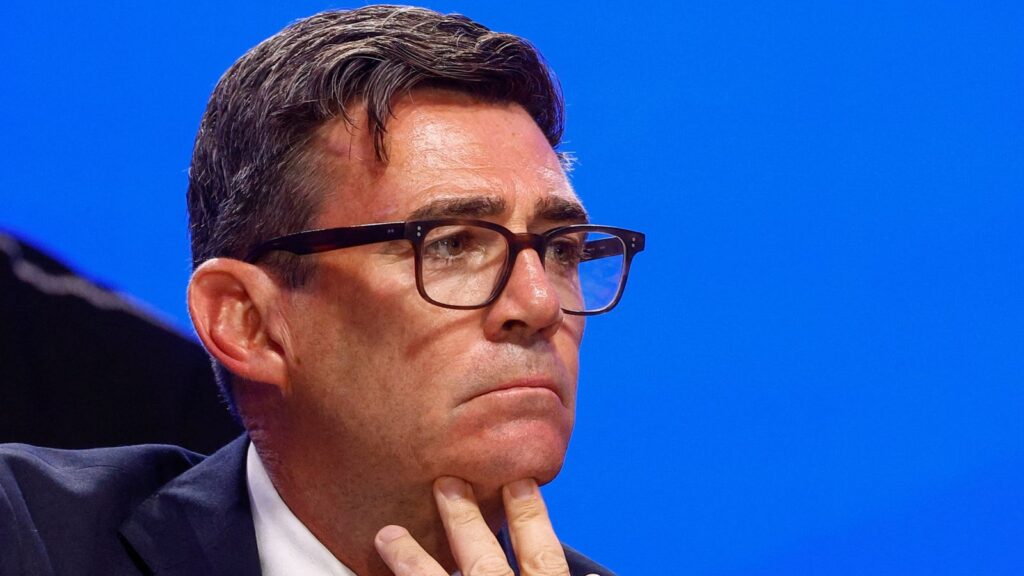
Andy Burnham also stressed that financial reparations are not an appropriate response to historical slavery.
“I do not think that British people today can be held liable for historical wrongs, however heinous, that happened in a different age under different laws and in which they played no personal part.”
Andy Burnham
However, Burnham indicated that rejecting financial compensation does not mean Britain should avoid discussions about its historical involvement or the experiences of communities affected by the slave trade.
According to the Prime Minister, Commonwealth countries had spent years requesting an honest conversation about slavery and its consequences, arguing that the government must create an opportunity for affected communities to express their concerns and expectations.
Burnham proposed a structured dialogue that allows those affected by the slave trade to engage with the British government, including discussions surrounding demands for a formal apology.
Moreover, a recent report revealed that considering an apology is “morally the right thing to do.”
Nevertheless, the Prime Minister has maintained that financial reparations are “not the right answer.”
Caribbean Leaders Back Dialogue but Insist on Reparations
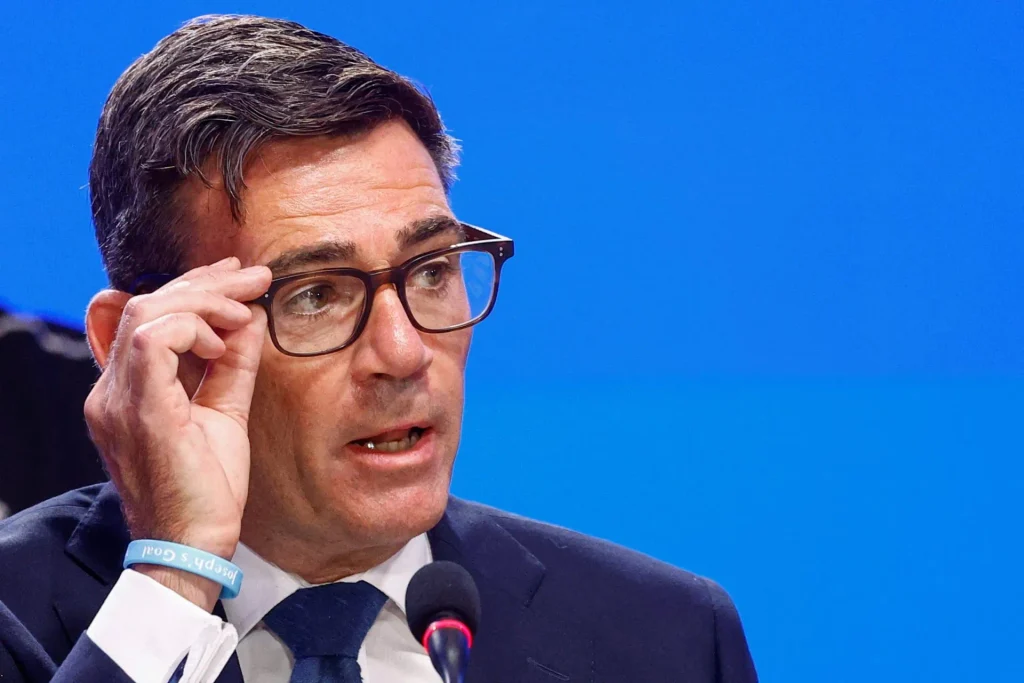
Andy Burnham’s remarks take place as Caribbean nations put pressure on Britain to acknowledge its involvement in the transatlantic slave trade and redress the legacy of centuries of captivity.
The countries have consistently called for greater recognition of the historical relationship between Britain and the Caribbean, with demands extending beyond an expression of regret to include reparatory justice.
For Caribbean leaders advocating reparations, the issue centres on the historical consequences of a system that forcibly transported Africans to the Americas, subjected them to generations of enslavement and generated wealth for British interests.
Barbados Prime Minister Mia Mottley, who has been among the prominent advocates for reparations, welcomed Burnham’s latest statement and indicated her willingness to engage with the proposed dialogue.
However, Mia Mottley maintained her commitment to pursuing reparatory justice, suggesting that an opportunity for discussion does not remove the underlying demands of Caribbean nations.
Denis O’Brien, founder of The Repair Campaign, also criticised Burnham’s position, calling the statement disappointing.
“The British Government must stop obfuscating and give a full and formal apology now. This would be a significant and symbolic first step towards reparatory justice.”
Denis O’Brien
Former St Vincent and the Grenadines Prime Minister Ralph Gonsalves, a senior figure in the Repair campaign, also welcomed Britain’s willingness to engage but maintained that an apology alone cannot satisfy Caribbean demands.
He described an apology as the first point in the Caribbean Community’s 10-point reparations plan, adding that “though necessary, is insufficient.”
“We are pleased to hear that [the UK] comes into a conversation. But it can’t be a conversation about nothing. It has to be a conversation about something. If they are not going to entertain reparations, what is the conversation about?”
Ralph Gonsalves
Also, Sir Hilary Beckles, chair of the CARICOM Reparations Commission, stated that, “there are much broader issues that can occupy that dialogue. So, you don’t know what you will emerge out until you have a conversation of decency.”
Meanwhile, Downing Street considers closer relations with Commonwealth countries important to Britain’s international interests, particularly as China and Russia seek to expand their influence among developing nations.
Russian President Vladimir Putin hosted a Russia-Africa summit in Moscow this week, illustrating the continuing diplomatic engagement of major powers with countries across the developing world.
Against this background, the Commonwealth summit provides Burnham with an opportunity to engage Caribbean leaders on an issue that continues to shape discussions about Britain’s historical relationship with the region.
READ ALSO: Mahama Tells Putin: Ghana-Russia Ties Must Deliver Economic Benefits