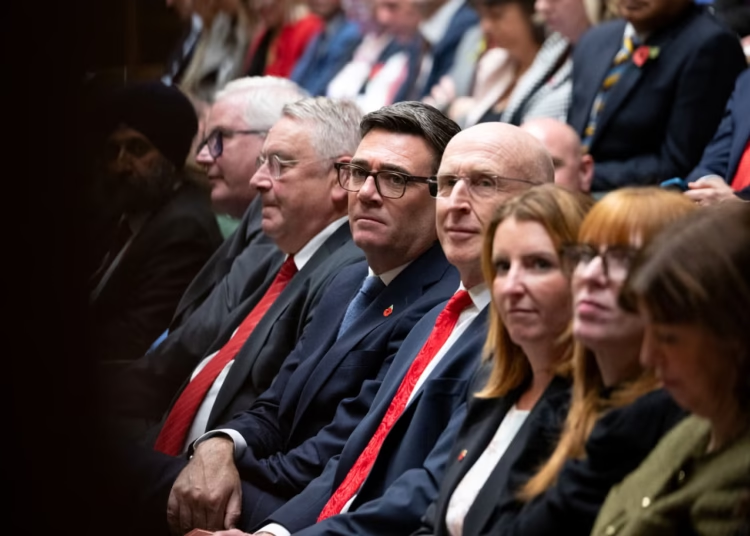
UK Prime Minister Andy Burnham has conceded that his first Budget fell short of his ambition, blaming global economic volatility and limited financial flexibility for preventing his government from delivering more radical measures.
Speaking during an interview marking his first 100 days in office, UK Prime Minister, Andy Burnham acknowledged that he and Chancellor John Healey had hoped to introduce more far-reaching measures but maintained that the Budget contained significant interventions to improve living conditions.
“The room for manoeuvre wasn’t what I would have hoped it to be. I guess then the question is, you know, radical within what we were able to do, the volatility of things means you just can’t necessarily deliver the budget that in an ideal world you would want to deliver.”
Andy Burnham
He added that, “It was quite a big call to ask the banks to repay the help they had off people 20 or so years ago. And a payment, okay, you’d like it to be more, but a payment to 20 million households is quite a significant, significant step.”
Global Uncertainty Limits Budget Ambitions
Andy Burnham attributed the limitations of his first Budget to the turbulent international economic environment, which has increased pressure on government finances and borrowing costs.
The economic uncertainty, including the impact of the war in Iran, has constrained the government’s room to introduce more extensive cost-of-living support, particularly higher energy payments.
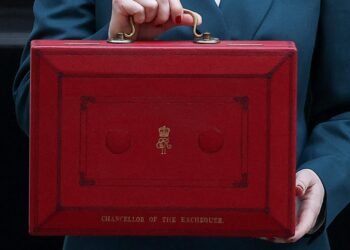
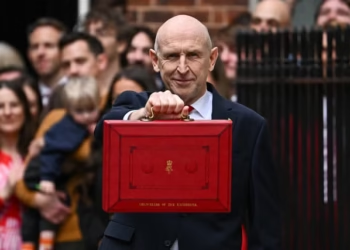
Chancellor John Healey announced a £100 payment for most households to help with energy bills this winter, alongside measures targeting banks and landlords.
The announcements have attracted criticism from opposition politicians, who argue that the government has not done enough to address the cost of living, strengthen defence spending and reform welfare.
Conservative leader Kemi Badenoch questioned the scale of the measures, arguing that many people would be disappointed by the Budget.
The Prime Minister, however, defended the interventions, insisting that the government had made difficult choices while working within the economic circumstances it inherited.
He also acknowledged that the 2024 Labour manifesto restricted his policy options, particularly its commitments not to increase income tax, VAT or personal National Insurance contributions.
“If you’re asking me a very direct question, if I had held the pen on the current Labour manifesto, would I have written it exactly like it is? Well, no. Is the answer to that question.”
Andy Burnham
Burnham Rules Out Early Election
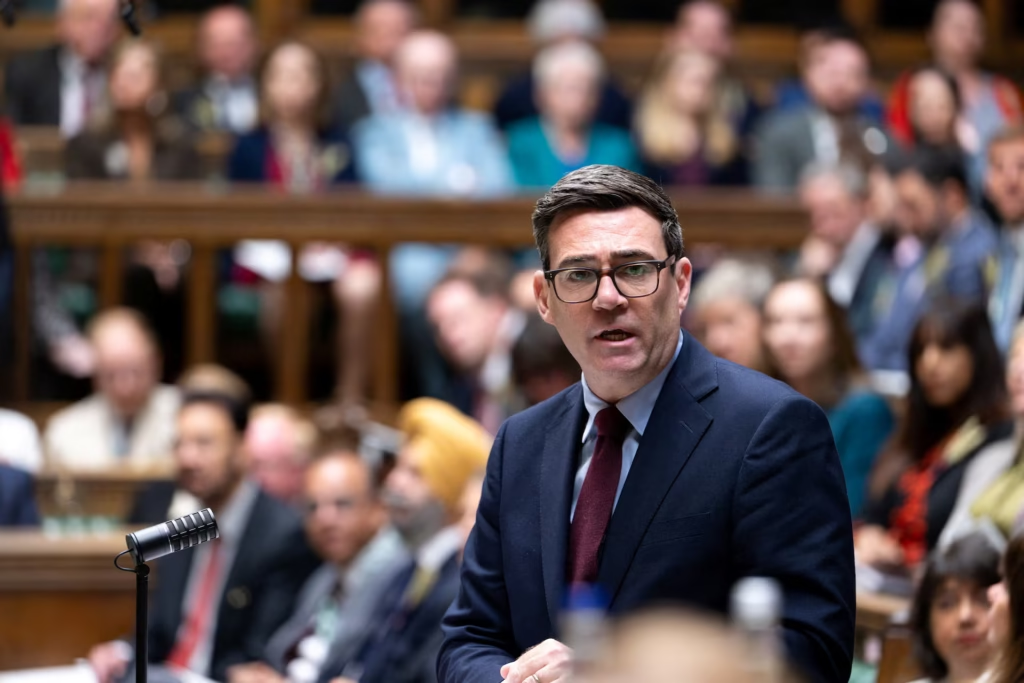
The Prime Minister also dismissed speculation that he intends to call an early general election in May next year, insisting that his government remains committed to its parliamentary term.“I’ll keep ruling it out,” he stated.
Andy Burnham added, “I’ve said this pretty directly for a number of weeks now. I’m hoping people might start listening at some point.”
Despite acknowledging the restrictions imposed by Labour’s 2024 manifesto, Andy Burnham maintained that he remained ambitious about his government’s wider programme, particularly plans for a free national care service.
He also indicated that he intends to seek his own mandate when the time comes, suggesting that his policy priorities do not entirely align with the commitments established under the previous leadership.
Welfare Reform Takes Priority Over Spending Cuts
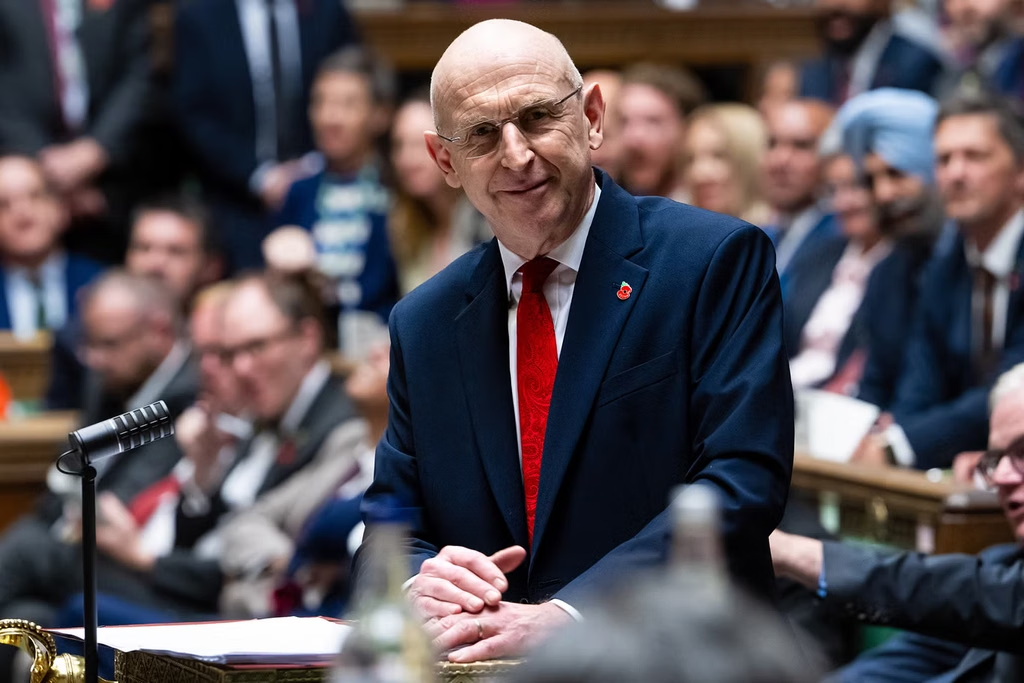
Moreover, Andy Burnham also defended his approach to welfare reform, declining to focus on reducing the overall benefits bill and instead emphasising the need to help more people enter employment.
Asked how his government intends to address rising welfare expenditure, he stressed that the discourse should centre on employment opportunities rather than headline spending reductions.
“I come at it a different way. I want to talk about: how many people am I going to help into work?”
Andy Burnham
He maintained that welfare reforms must avoid imposing severe financial hardship on vulnerable people, while expressing concern about the number of young adults relying on benefits.
“I don’t actually want to see anyone in their 20s on benefits. I just don’t think that’s a good place to be, unless people can’t be in work for reasons due to disability or whatever else it might be,” he added.
The Prime Minister is expected to outline his welfare reform plans in the coming months following two major reviews of the system led by former minister Alan Milburn and current minister Stephen Timms.
He also confirmed that he remains in contact with his predecessor, Keir Starmer, revealing that the two have exchanged messages since his departure from office.
Andy Burnham also disclosed that he had recently contacted former Chancellor Rachel Reeves during the Budget process.
READ ALSO: Netanyahu Faces Uphill Battle To Form Israel’s Next Government