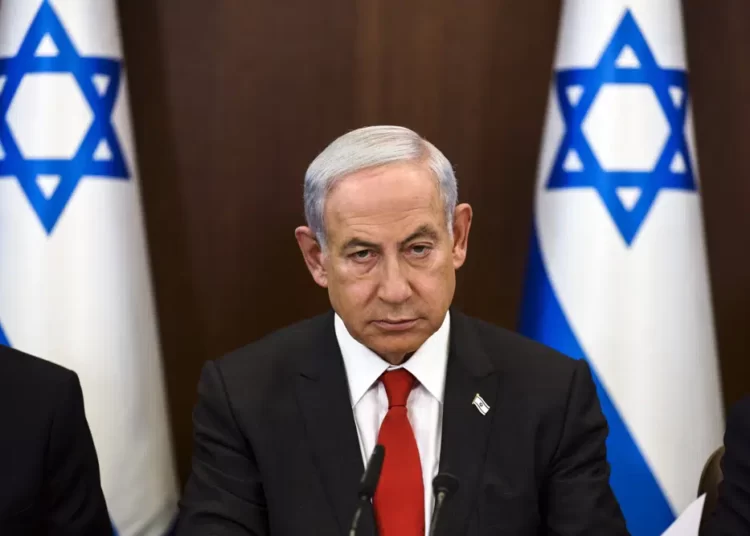
Israeli Prime Minister, Benjamin Netanyahu faces a difficult battle to form a new government after his bloc fell short of a parliamentary majority, leaving coalition negotiations and the role of Arab-led parties at the centre of the political contest.
Final results released by election officials early today showed Netanyahu’s bloc securing 53 seats in Israel’s 120-member parliament, well below the 68 seats it controlled at its peak in the previous parliament. The main opposition won 48 seats, while Arab-led parties secured the remaining 19.
Neither side has enough seats to govern independently, setting the stage for difficult negotiations among politically diverse groups, including ultra-Orthodox Jewish parties, secular parties and Arab-led political organisations.
Although the vote count is complete, the results must still be formally certified and submitted to President Isaac Herzog next Wednesday. Herzog will then decide whom to task with forming the next government. That could be the leader of the party that received the most votes which, in this case, is Netanyahu, or whoever leaders of the various parties believe is best suited.
Opposition Leaders Explore Coalition Options
Opposition figures have begun discussions aimed at forming a government and ending Netanyahu’s hold on power.
On Thursday, Gadi Eisenkot, leader of the Yashar party, met former Prime Minister Naftali Bennett, who heads the Together party, to discuss ways to form a new government “as quickly as possible”, according to a statement reported by an Israeli news outlet.
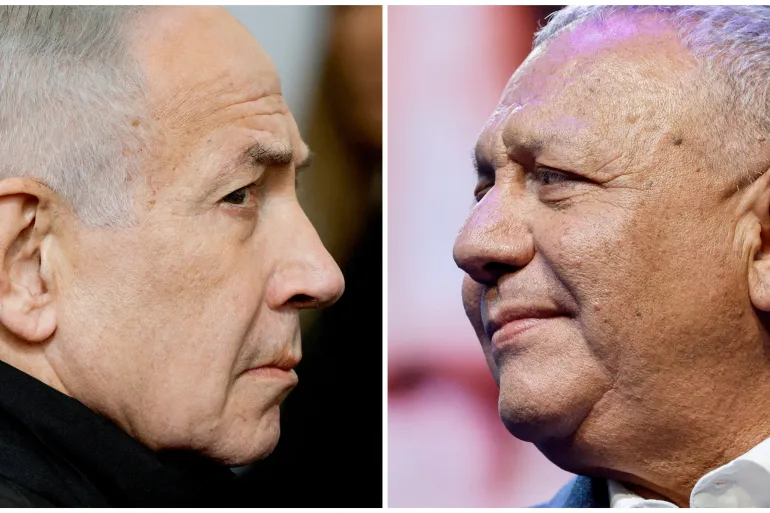
Eisenkot also met Yair Golan, Chairman of the Democrats party and the only member of the opposition alliance supporting a coalition with parties led by Palestinian citizens of Israel.
Other political groups have rejected such an arrangement, making the question of cooperation with Arab-led parties a major obstacle in the coalition negotiations.
Golan separately met Mansour Abbas, leader of the United Arab List, also known as Ra’am, which is projected to secure eight of the 19 seats won by Arab-led parties.
Following the meeting, Golan called for swift action to take advantage of the election results.
“This is a time for action. Our responsibility is not to miss the opportunity for change and the salvation of Israel.”
Yair Golan

The discussions reflect the opposition’s attempt to identify a viable route to a parliamentary majority. However, ideological differences among the parties and resistance to cooperation with Arab-led groups could complicate efforts to build a stable coalition.
If the parties fail to form a government after multiple attempts, Israel could face another election early next year. Herzog has said that he will do everything in his power to prevent that outcome.
Election Interference Allegations Fuel Political Dispute
The election deadlock has been accompanied by allegations of interference, with Netanyahu and his Likud party amplifying claims that Arab-led parties had “stolen” the election, potentially with foreign assistance, in the hours before the final results were announced.
Israeli media reported that members of Netanyahu’s party had accused Qatar of involvement. Qatar rejected the allegations, describing them as “ridiculous and dangerous.”

The Head of Israel’s election committee, Supreme Court Justice Noam Sohlberg, said “serious suspicions” of foreign interference had been brought to his attention.
In a letter to the Shin Bet security agency, Sohlberg said that he could not verify the claims but requested an investigation.
As the election commission announced the results, it said that the investigation was based on classified intelligence. Acting Director General Dean Livne did not provide further details but cautioned against reports circulating about the inquiry. “It does not affect the final results that will be submitted to the president, nor does it concern any particular sector of the population,” Livne said.
The opposition accused Netanyahu of demonising Arab citizens of Israel, who account for approximately 20 per cent of the population and turned out to vote in unusually large numbers.
Netanyahu’s first public comment following the announcement of the results came in a post on X, in which he asserted that forming a coalition with Arab parties was forbidden.
His position underscores the political difficulty facing any attempt to assemble a government without his bloc. While the opposition has begun exploring possible partnerships, resistance to including Arab-led parties could narrow its options.
With neither side commanding a majority, the coming negotiations will determine whether Israel can establish a new government or return to the polls. The outcome will depend not only on which parties can secure enough parliamentary support but also on whether their competing political positions can be reconciled.
READ ALSO: Mahama Vows to Keep Nkrumah’s Pan-Africanism Vision Alive