African energy policymakers and industry players are being urged to strengthen the continent’s energy security by investing in domestic infrastructure, expanding regional cooperation and reducing exposure to disruptions in global fuel markets.
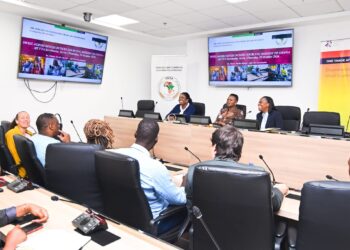
The call was made by panellists at the OTL Africa Downstream Energy Week in Lagos, Nigeria, where discussions focused on the effects of geopolitical tensions, fuel price volatility and changing energy market dynamics on African economies.
Chairing the session, Dr Sheila Addo, Deputy Chief Executive (Technical) of Ghana’s National Petroleum Authority (NPA) and a member of the event’s Advisory Board, encouraged African countries to draw lessons from recent disruptions in global energy markets.
Her message placed the continent’s vulnerability to external shocks at the centre of the energy-security debate, particularly as changes in international markets continue to influence fuel supply, pricing and investment decisions.
The discussion also highlighted a structural challenge facing African economies: the extent to which dependence on imported petroleum products and insufficient domestic infrastructure can expose countries to developments beyond their control.
For the continent, the issue is no longer simply whether energy products can be sourced from international markets. It is whether domestic and regional systems have the capacity to absorb supply disruptions, manage price volatility and maintain dependable access to energy when global conditions deteriorate.
Import Dependence Leaves Energy Systems Exposed
The panel identified geopolitical tensions, fuel price volatility and shifting energy-market dynamics as factors affecting African economies, particularly through their influence on fuel supply, pricing and investment decisions.
These pressures expose the limitations of energy systems that depend heavily on external supply chains without sufficient domestic infrastructure or alternative sources of supply.
When international markets experience disruptions, African import-dependent economies can face higher procurement costs and uncertainty over the availability of petroleum products.
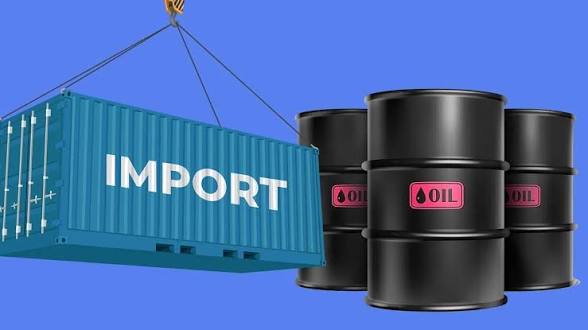
Changes in global prices can also place pressure on domestic fuel markets, businesses and consumers.
The implications extend beyond the downstream petroleum industry. Fuel costs influence transport, agriculture, manufacturing and other productive activities, meaning that disruptions in supply or sharp price movements can affect wider economic performance.
This makes energy security a question of economic resilience as much as fuel availability.
The panel’s emphasis on building systems capable of withstanding global shocks reflects the need to address these vulnerabilities before disruptions occur.
Rather than relying primarily on emergency responses when international markets become unstable, African countries need infrastructure and supply arrangements that provide greater flexibility.
The session called for deliberate efforts to build “self-sufficiency across the continent”, alongside stronger regional collaboration.
That objective does not necessarily mean that every African country must produce all the energy it consumes. It points instead to the importance of strengthening domestic production, processing, storage and distribution, while developing regional supply arrangements that reduce exposure to individual supply disruptions.
Refining, Storage And Distribution Become Strategic Priorities
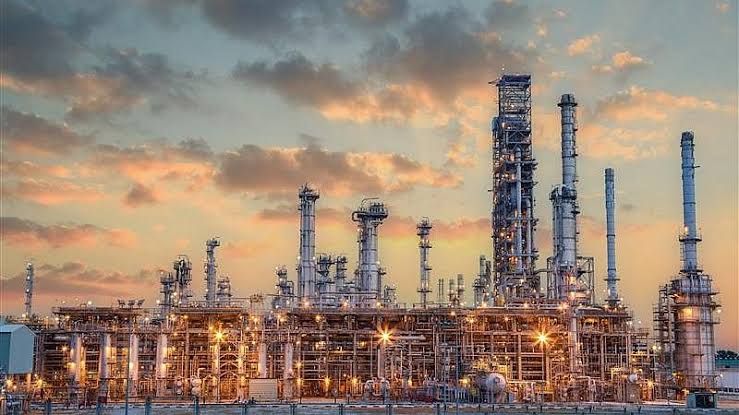
A central theme of the discussion was the need to develop critical energy infrastructure, particularly refining capacity, storage facilities and distribution networks.
These assets are essential to determining how effectively countries can manage supply disruptions and respond to changes in demand.
Refineries can reduce dependence on imported finished petroleum products by processing crude oil into fuels for domestic and regional markets.
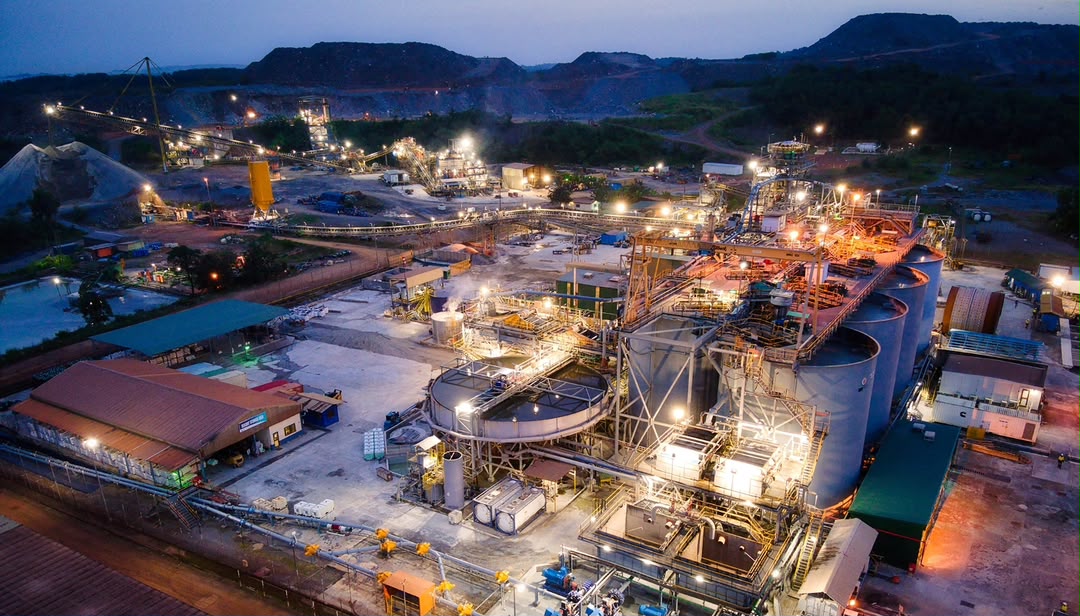
However, refining capacity must be commercially viable, reliably supplied with crude and supported by the technical and financial resources required for sustained operations.
Storage infrastructure provides another layer of protection. Adequate storage can give countries and market participants greater flexibility to manage temporary supply interruptions, procurement delays and fluctuations in demand.
Distribution networks are equally important because the availability of fuel at national level does not automatically guarantee that it can reach consumers efficiently. Weak transportation and distribution systems can create bottlenecks even when products are available.
The panel therefore placed infrastructure development at the heart of efforts to strengthen energy security.
“Developing critical infrastructure, including refining capacity, storage facilities and distribution networks, is essential to reducing dependence on imports and strengthening energy security.”
The statement captures the infrastructure priorities emerging from the session. It also points to the need for a coordinated approach: investment in refining without adequate storage and distribution may leave other vulnerabilities unresolved.
For African countries, the challenge is to develop these components as parts of connected supply systems rather than as isolated projects.
Regional Cooperation Could Strengthen Supply Resilience
Dr Addo also called for stronger regional collaboration, reflecting the importance of cooperation in a continent where energy markets and infrastructure are not always sufficiently integrated.
Regional supply chains can help countries access products from neighbouring markets, diversify procurement options and make better use of available infrastructure.
Where domestic refining capacity is limited, regional arrangements could provide alternative sources of petroleum products. Countries with stronger storage, processing or distribution capabilities could also support neighbouring markets, provided commercial and regulatory arrangements allow products to move efficiently across borders.

The panel emphasised that “increasing local production and improving regional supply chains” would help African countries withstand external shocks while meeting growing energy demand.
This approach places regional integration alongside domestic investment. Greater self-sufficiency at national level can strengthen individual markets, but cooperation can extend those benefits by creating wider networks for supply and distribution.
However, regional collaboration requires more than political commitments. Differences in regulations, product standards, infrastructure access and trade procedures can complicate the movement of petroleum products across borders.
Addressing these constraints will be important if regional supply chains are to provide a reliable alternative during periods of international market disruption.
Investment Depends On Predictable Rules
The panel also examined the conditions required to attract investment into Africa’s energy sector.
Participants emphasised the importance of regulatory certainty, transparent policies and sustainable market reforms in creating an enabling environment for investors.
The issue is significant because the infrastructure required to improve energy security involves substantial capital and long-term investment decisions.
Refineries, storage terminals and distribution networks require investors to assess demand, operating costs, regulatory obligations and the commercial conditions under which projects will generate returns.
Uncertainty over regulations and policy direction can complicate those assessments, potentially delaying projects or increasing the cost of financing.
Transparent and predictable regulatory frameworks can help investors understand the rules governing market participation, pricing, licensing and infrastructure development.
For African governments, this creates a balancing responsibility. Reforms must support investment and operational efficiency while ensuring that energy markets remain accountable and responsive to national development priorities.
The discussion therefore linked energy resilience not only to the physical availability of infrastructure but also to the policy environment needed to finance and sustain it.
Without credible investment conditions, countries may struggle to mobilise the capital required to expand domestic production and improve supply systems.
Africa’s Energy Transition Must Reflect Its Development Needs
The panel also considered how Africa should approach the energy transition, with participants agreeing that the continent needs a practical and balanced strategy that reflects its development requirements.
This is particularly relevant because African countries face different energy challenges, resource endowments and levels of infrastructure development.

A transition strategy must therefore account for the need to expand energy access, support industrialisation and maintain affordability while improving environmental sustainability.
For the downstream petroleum sector, this raises questions about how existing infrastructure and supply systems can adapt as energy markets evolve.
The panel’s position suggests that energy transition policies should be considered alongside the continent’s immediate requirements for reliable supply and economic growth.
A strategy that does not adequately account for energy affordability, infrastructure gaps and industrial demand could create additional pressures for economies already exposed to external market volatility.
At the same time, the transition debate cannot be separated from investment decisions. Countries will need financing, technology and regulatory frameworks capable of supporting changes in their energy systems while maintaining dependable supply.
The practical challenge is to pursue sustainability without weakening the capacity of economies to meet current and future energy needs.
From Energy Vulnerability To Resilience
The discussions at OTL Africa Downstream Energy Week point to a broader shift in how African countries need to approach energy security.
The focus is moving beyond securing immediate fuel supplies towards building systems that can withstand disruptions, maintain market stability and respond to changing demand.

For Dr Addo, the lessons from recent global energy-market disruptions should encourage African countries to invest in infrastructure, strengthen regional collaboration and pursue greater self-sufficiency.
“Africa must position itself to meet its energy needs and develop resilient supply systems that support sustainable economic growth and development.”
That is the central challenge facing the continent. Greater domestic production, stronger refining capacity, adequate storage and efficient distribution networks can reduce exposure to external disruptions, but these investments must be supported by predictable regulation and regional cooperation.
The panel did not present a single solution to Africa’s energy-security vulnerabilities. Instead, its discussions highlighted the interconnected measures required to address them.
Ultimately, the measure of progress will not be how many infrastructure projects are announced or how often countries commit to regional cooperation.
It will be whether those commitments translate into more dependable supply, stronger domestic and regional markets, and a reduced capacity for global shocks to disrupt African economies.
For a continent seeking to industrialise and expand economic opportunity, building energy resilience is not simply a downstream-sector priority. It is a foundation for broader economic security.
READ ALSO: AfCFTA Connects Swiss Buyers to African Agribusiness