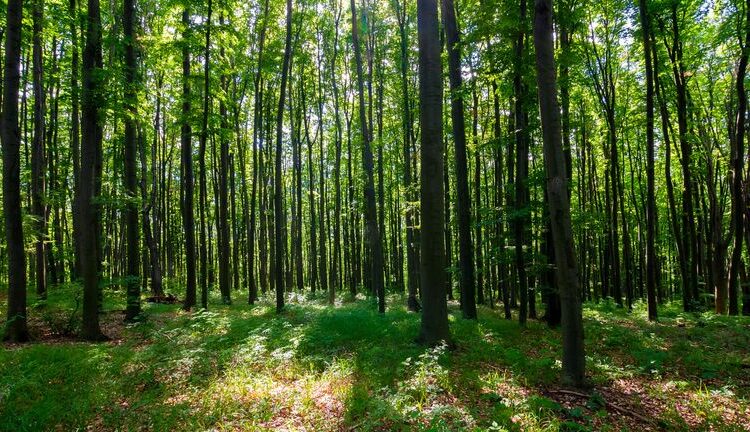
England is set to gain millions of new trees and expanded public access to woodland under a new Trees Action Plan backed by more than £1 billion in investment this Parliament.
The plan will create 3,700 hectares of publicly accessible woodland, equivalent to around 5,000 football pitches, and establish a second new national forest spanning 700 square miles between Bedford, Milton Keynes and surrounding areas.
The initiative aims to bring nature closer to communities, expand green spaces and strengthen the country’s resilience to climate change, while supporting jobs and improving the management of existing woodlands.
According to Environment Secretary Dame Angela Eagle, the government is committed to making nature more accessible and using trees to address environmental challenges.
“Under this ambitious new plan we are expanding public access to nature, planting millions of trees, and using them to boost our resilience to climate change.”
Angela Eagle
She added, “whether it’s the three new national forests we are creating across England or breaking a 20-year record for England’s tree-planting rates”
New Forest to Bring Nature Closer
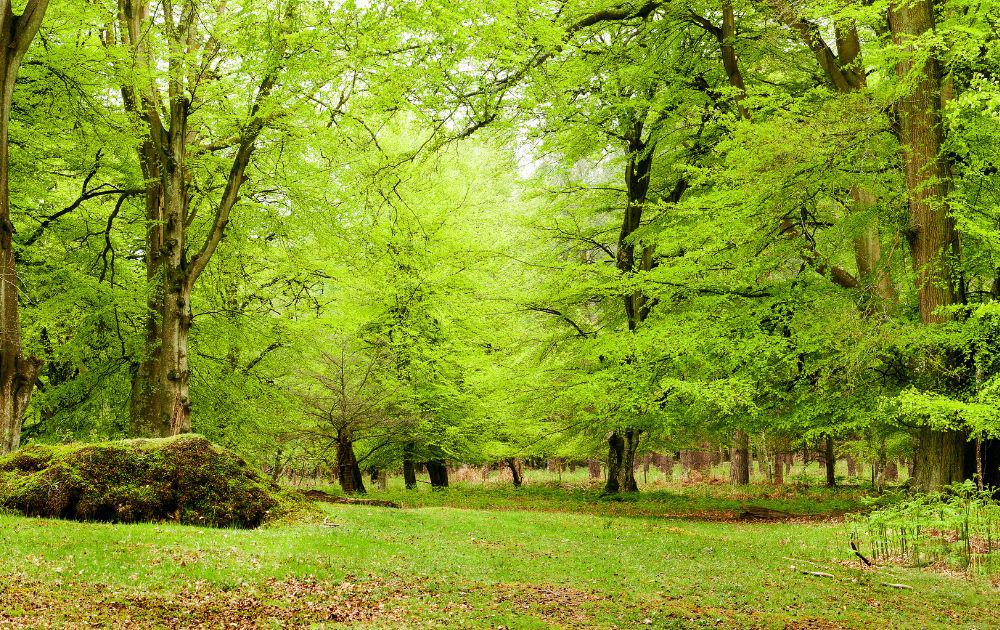
The plan will expand England’s public forest estate through the creation of new woodland managed by Forestry England, with the 3,700 hectares expected to be available for public access by March 2030.
It will also bring major landowners together through the newly established National Estate for Nature group, which will explore opportunities to open more woodland to the public.
The group is expected to involve government departments, voluntary organisations, private estates and institutions, including the RSPB and the Crown Estate.
The proposed 700-square-mile national forest will bring new green spaces closer to major towns such as Bedford and Milton Keynes, while supporting tree planting in schools, public spaces and local communities.
Forest of Marston Vale Trust Forest Director James Russell stated that, “for over three decades, we’ve been using trees and woodlands to transform 61 square miles between Bedford and Milton Keynes, connecting communities with nature and demonstrating what can be achieved through long-term partnership and ambition.”
“The new national forest provides an exciting opportunity to harness that experience and apply it to an expanded area, stretching from Milton Keynes, through Bedfordshire and into Cambridgeshire.”
James Russell
He added, “we are proud to be playing a leading role in delivering the second new national forest, and working with our partners, we look forward to helping establish a new national forest that will benefit people, nature and the economy for generations to come.”
Communities to Benefit From More Green Spaces

The action plan follows the £53 million Community Trees Fund, which is expected to open early next year and support the planting of up to 500,000 trees outside woodlands.
The funding will help communities establish trees in streets, parks and neighbourhoods, including areas experiencing social and economic deprivation.
The government cited figures showing that only 26% of adults in the most socially deprived areas have green space close to home, compared with 38% in the least deprived areas.
Expanding access to trees and woodland is expected to provide public health benefits, including improved wellbeing and reduced healthcare costs.
Trees will also help communities adapt to extreme weather. In urban areas, street trees can lower air temperatures by up to 4°C, while a mature tree can intercept more than 15,000 litres of rainwater annually, helping reduce surface runoff and flood risks.
The plan also includes more than £14 million for sector support, including forestry training and skills grants, with the aim of creating green employment opportunities.
Government Targets Woodland Expansion by 2050
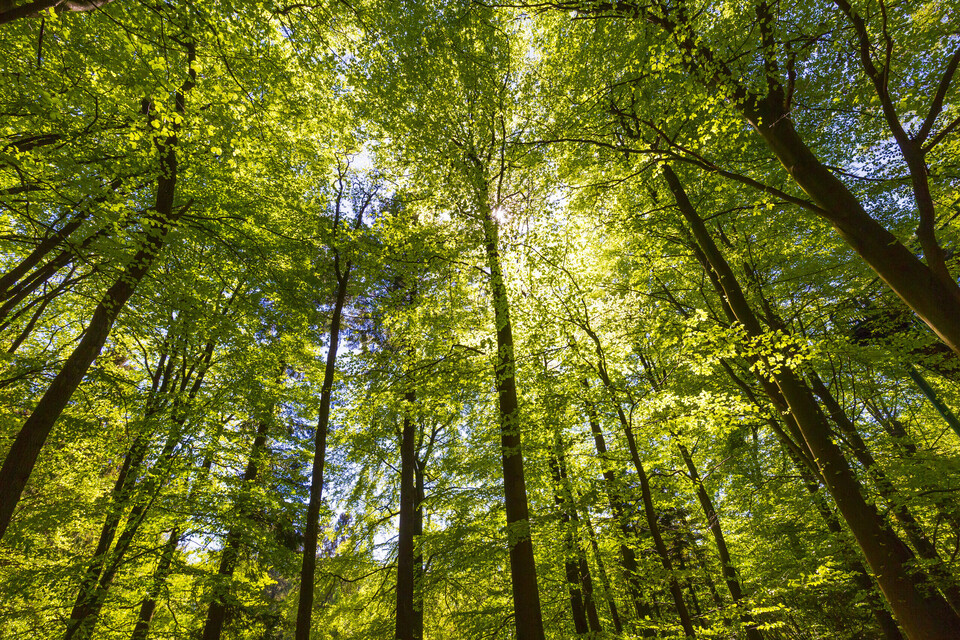
The Trees Action Plan sets out measures to improve the condition and resilience of England’s existing and future woodlands, including bringing neglected forests into management and strengthening tree health surveillance and biosecurity.
The government will also promote greater diversity in tree species to help woodlands withstand climate change, pests and diseases, while supporting domestic seed production and the supply of planting stock.
More than £20 million will be invested in tree, forestry and tree-health research to support these efforts.
The plan forms part of the government’s wider ambition to increase tree canopy cover to at least 16.5% of England’s total land area by 2050.
It also supports the Environmental Improvement Plan target of increasing tree canopy and woodland cover by 43,000 hectares net by 2030.
According to Forestry Commission Chair Baroness Young, “the Trees Action Plan commits to securing the benefits trees and woodlands bring for access to nature, wildlife, carbon storage, timber production and in sustaining new green jobs.”
“The plan demonstrates Forestry England’s commitment to support wood processing businesses by establishing resilient, species-diverse woodlands with timber production as a key objective.”
Baroness Young
The government revealed that tree planting rates in England had reached their highest level since 2004 over the past two years, with the new plan intended to sustain that progress and expand the benefits of trees for communities and the environment.
READ ALSO: GRIDCo’s 330kV Line Damage Disrupts Supply in Two Regions