A single incident involving illegal chainsaw operators has exposed the operational consequences of damage to Ghana’s high-voltage transmission network, after a major 330kV line linking Aboadze to Anwomaso tripped on November 25 and disrupted electricity supply to parts of the Western and Ashanti regions.
The damage has forced system operators to reduce electricity supplied to parts of Kumasi, highlighting the importance of transmission infrastructure in determining whether available power can reach consumers.
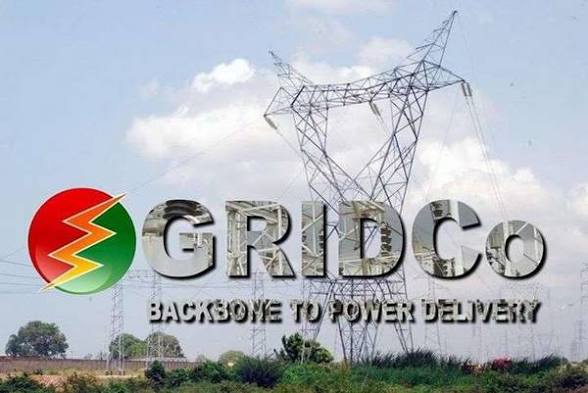
The Ghana Grid Company Limited (GRIDCo) confirmed that the line tripped late Wednesday afternoon.
Investigations by its engineers established that a large tree, felled by chainsaw operators, had fallen onto the transmission infrastructure.
The company said repair works were underway, but did not provide a specific restoration time or disclose the extent of the physical damage.
The incident is significant beyond the immediate interruption. It raises questions about the resilience of the transmission network, the availability of alternative routes when major lines become unavailable and the ability of system operators to maintain supply to major demand centres during unexpected disruptions.
When One Transmission Route Becomes Unavailable
Ghana’s electricity system depends on a network of high-voltage lines that transport power from generation centres to bulk supply points before it enters the distribution network.
The Aboadze–Anwomaso corridor connects an important generation enclave in the Western Region to the transmission network serving the middle belt and other parts of the country.
When a major transmission line becomes unavailable, electricity cannot necessarily be redirected through another route without operational consequences.
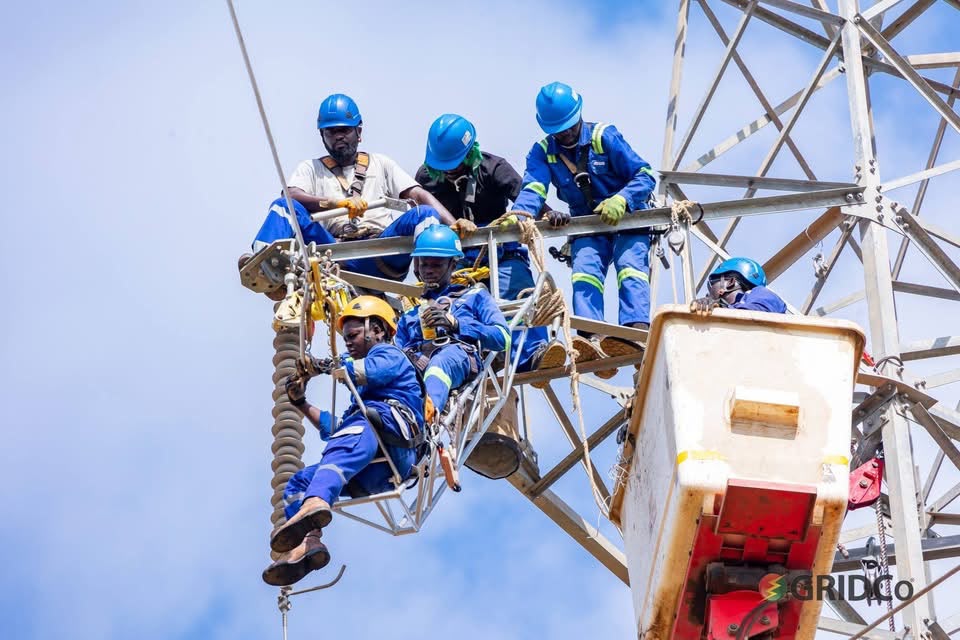
Alternative lines may have capacity limitations, while changes in power flows can place additional pressure on other parts of the network.
GRIDCo’s announcement that operators have had to reduce supply to parts of Kumasi demonstrates the immediate consequence of the disruption.
The company described the cause of the incident in its statement:
“The investigations revealed that a large tree had been felled by chainsaw operators onto a section of the transmission line, causing damage to the line.”
Ghana Grid Company Limited
The incident also illustrates why transmission security cannot be measured solely by the number of kilometres of new lines constructed or the capacity added to substations.
The network must be able to withstand the loss of critical infrastructure without significant interruptions to consumers.
An earlier electricity-system planning assessment identified the risks associated with losing major 330kV transmission routes serving the Aboadze–Kumasi corridor.
It highlighted the possibility of power being redirected through lower-capacity 161kV infrastructure, creating additional loading and potential system disturbances.
Although that assessment does not establish the precise electrical consequences of Wednesday’s incident, it reinforces the importance of understanding how the network performs when a major route is unavailable.
Kumasi’s Reliability Challenge
The timing of the incident is particularly important because Kumasi is already undergoing major transmission infrastructure improvements intended to address electricity supply constraints.
GRIDCo and the Electricity Company of Ghana have been implementing upgrades to the 161kV Anwomaso–Ahodwo transmission line, alongside transformer and feeder interventions intended to improve electricity delivery to the Ashanti Regional capital.
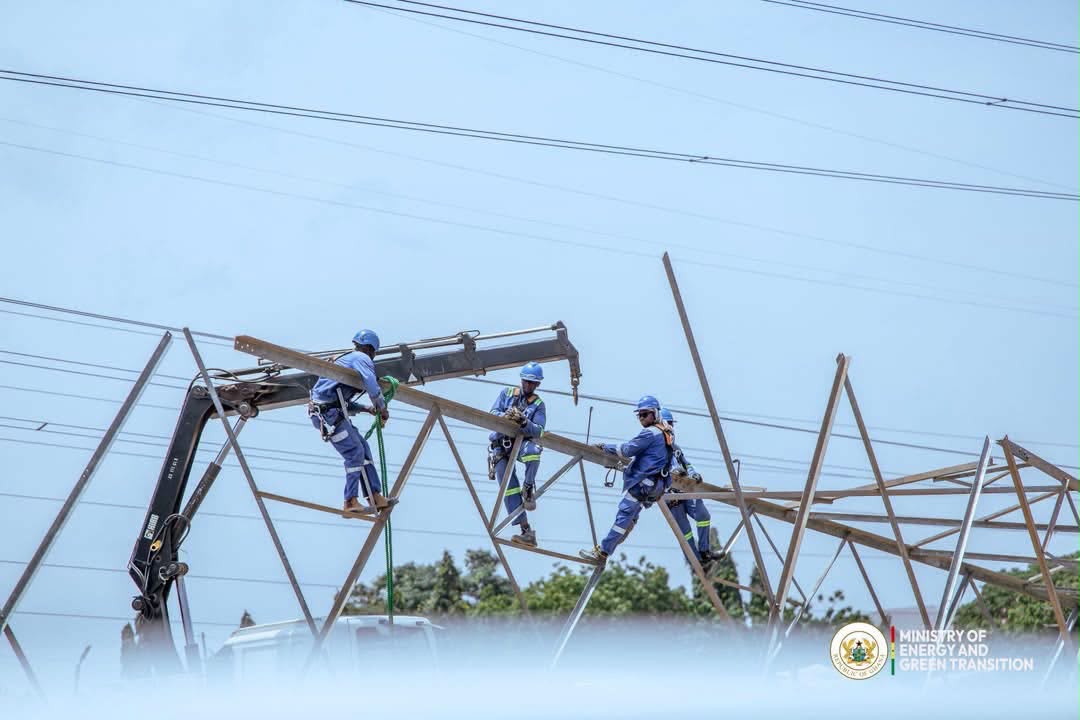
The project is designed to increase transmission capacity and improve the network’s ability to meet growing demand.
However, Wednesday’s disruption highlights a different dimension of reliability: the ability of the wider transmission system to maintain supply when an unexpected fault affects a major power corridor.
The distinction matters because improving capacity along one transmission route does not automatically eliminate vulnerabilities elsewhere in the network.
Kumasi’s electricity requirements extend beyond household consumption. The city supports manufacturing, commercial activity, healthcare facilities, educational institutions and a growing services economy.
Interruptions can therefore affect businesses and essential services, particularly where consumers depend on continuous electricity for their operations.
For industrial users, even temporary disruptions can affect production schedules, equipment operation and operating costs.
The economic consequences will depend on the duration and geographical extent of the supply reduction, neither of which had been established in the initial announcement.
Infrastructure Protection Is Not Enough
The immediate cause of Wednesday’s incident points to another persistent challenge: activities around transmission infrastructure can create risks that extend far beyond the location where they occur.
GRIDCo has already intensified its efforts to protect transmission rights of way, engaging communities and warning against activities that threaten high-voltage lines and towers.
But the latest incident suggests that protecting the network requires more than addressing structures or commercial activities within designated corridors.
Vegetation management, monitoring of transmission routes, public education and coordination with local authorities are also important, particularly where tree-felling activities take place close to critical infrastructure.
For a transmission company, the ability to identify potential hazards before they cause damage is as important as the capacity to repair infrastructure after a fault.
The challenge is to make preventive maintenance and corridor monitoring consistent across the network rather than relying primarily on emergency responses after disruptions occur.
The Bigger Question Is Network Resilience
GRIDCo’s engineers are working to restore the damaged line, and the company has apologised to affected consumers.
But the incident presents an opportunity for a wider examination of Ghana’s transmission security arrangements.
The company needs to clarify the extent of the damage, the expected restoration period and the alternative transmission arrangements available while the Aboadze–Anwomaso line remains unavailable.
It is also important to establish whether the reduction in supply to parts of Kumasi reflects limitations in alternative transmission routes, local network constraints or a combination of operational factors.
These details would help determine whether the incident was an isolated infrastructure failure or whether it exposed a wider weakness in the system’s ability to manage major transmission contingencies.
Ghana is investing in additional generation, renewable energy and transmission infrastructure to support industrial growth and improve electricity reliability.
However, the value of those investments depends on the strength of the network connecting generation to consumers.
A country can have sufficient generating capacity and still experience supply interruptions if electricity cannot be transmitted reliably to where it is needed.
Wednesday’s incident is a reminder that energy security is not only about producing enough electricity. It is also about protecting the infrastructure that delivers it and ensuring that the failure of one critical component does not leave consumers exposed.
The immediate priority is restoring the damaged line. The longer-term challenge is ensuring that Ghana’s transmission network can withstand similar disruptions without requiring significant reductions in electricity supply.
READ ALSO: GHIB Brings Global Banking Power to Ghana’s Export Financing Drive