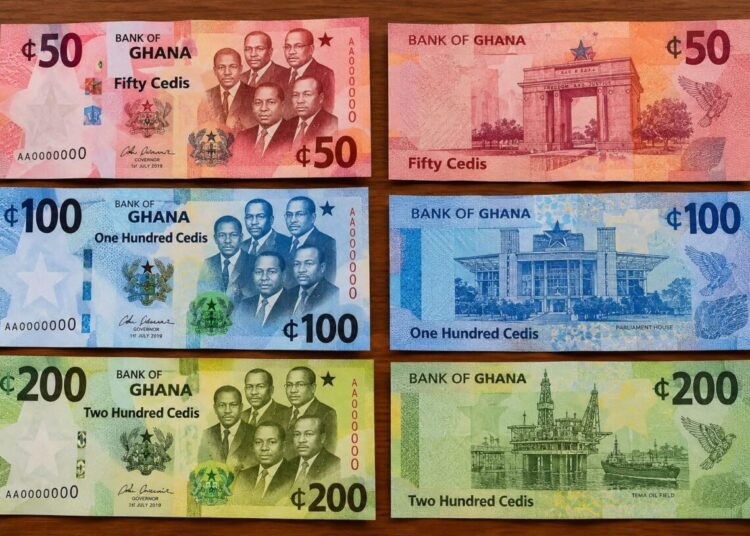
In the wake of the Bank of Ghana’s introduction of redesigned cedi notes, the Member of Parliament for Walewale, Dr Abdul Kabiru Tiah Mahama has questioned the absence of parliamentary scrutiny over the cost of the currency exercise, insisting that the Governor and officials responsible must account for the expenditure to the House.
He is therefore calling for the Bank of Ghana to appear before Parliament and provide a comprehensive account of the expenditure, procurement circumstances and decisions behind the redesign.
“Unfortunately, no member of the Finance Committee, and by extension, no member of Parliament, was given that information. Even if the matter has been discussed with other committees, the information would have been shared with members of Parliament as a whole. But we do not know what the cost is.”
Honourable Abdul Kabiru Tiah Mahama
Dr Mahama made the remarks during an interview on the new cedi notes, where he distinguished the current redesign from the Bank’s routine currency replacement programme. He explained that the Central Bank regularly incurs expenditure to withdraw worn-out notes, print replacements and ensure that the currency continues to meet evolving security requirements.
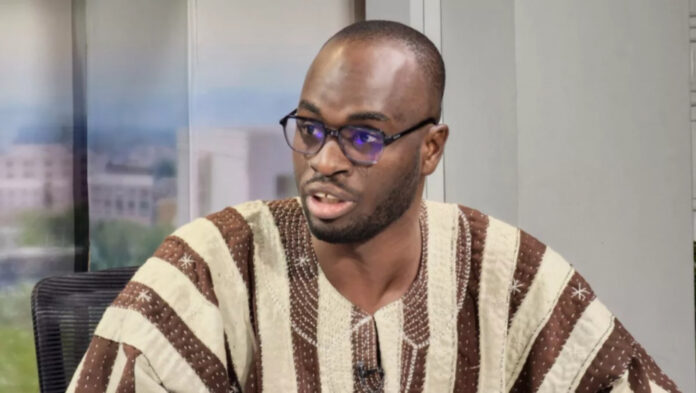
However, the Walewale MP identified the latest exercise as “a more extensive overhaul” arguing that its scale warranted a higher degree of parliamentary involvement. Although the Bank has indicated that consultations preceded the introduction, he questioned why elected representatives were not sufficiently incorporated into the process.
Furthermore, he clarified that the Minority’s demand for explanations constitutes an exercise of Parliament’s oversight mandate, not an attempt to politicise the national currency. In his view, the Bank’s leadership should be prepared to explain the financial and administrative decisions underpinning the redesign.
Dr Mahama also expressed confidence in the Governor’s willingness to engage Parliament, describing his previous interactions with the Head of the Central Bank as “professional and constructive.”
He noted that the Governor personally appeared before parliamentary committees, often accompanied by his deputies, and urged him to extend the same openness to the questions surrounding the new notes. “We ought to know the cost because it’s been paid for by the taxpayer’s money,” he stressed, identifying the expenditure as the first matter requiring clarification.
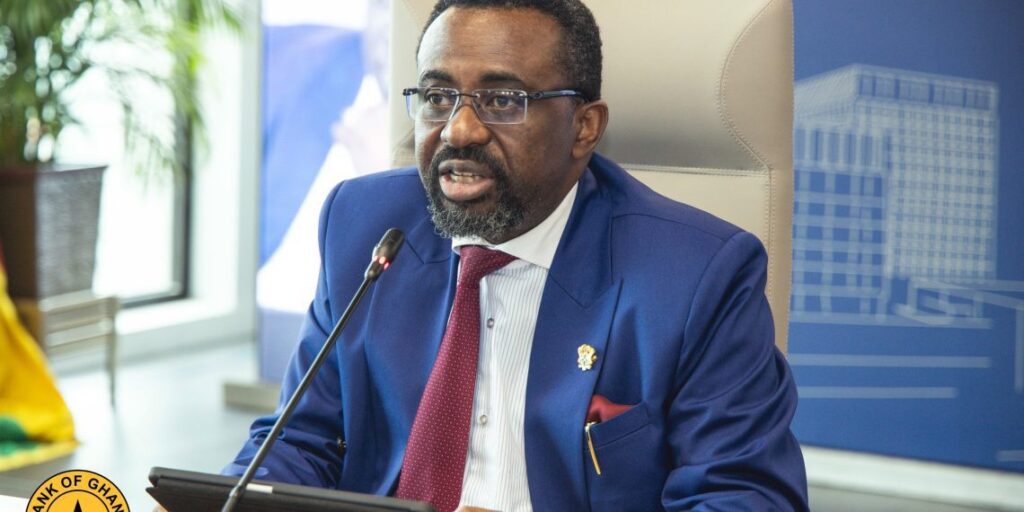
On this note, he questioned whether the amount spent corresponds with the scope and value of the work undertaken, arguing that a transparent account would establish whether public funds had been prudently used and help address the uncertainties surrounding the exercise.
He therefore emphasised that Parliament must receive sufficient information to fulfil its constitutional oversight responsibilities, particularly when decisions involving substantial public expenditure affect a national institution and the country’s currency.
Walewale MP Questions Historical Figures on Redesigned Cedi Notes
On the other hand, Dr Abdul Kabiru Tiah Mahama criticised the Bank of Ghana’s consultation process, arguing that Parliament and the wider public were not adequately engaged before decisions were taken on the redesigned currency and the historical figures represented on it.
Dr Mahama believes the exercise has generated avoidable confusion, insisting that the Central Bank must explain the reasoning behind these decisions and demonstrate that “the redesign did not marginalise individuals whose contributions helped shape modern Ghana.”
“Anything about the national currency should be discussed passionately. It should be discussed without politics.”
Dr Abdul Kabiru Tiah Mahama
Additionally, he Walewale MP argues that Parliament provides an important channel through which national consultations can reach constituencies across the country. He explained that engaging Members of Parliament would have enabled representatives to relay information to their constituents and assist the Bank in educating the public about the changes.
Against this backdrop, he raised concerns about a consultation process that reportedly spanned two years but did not adequately involve elected representatives. He reiterated that broader engagement ahead of the introduction of the redesigned notes could have helped minimise public confusion.
On the issue of the portrait, he questioned the circumstances that led to Madam Oko’s sister being featured in her place, calling on the Bank of Ghana to clarify the decision and indicate whether the necessary consultations have been undertaken to address the issue.
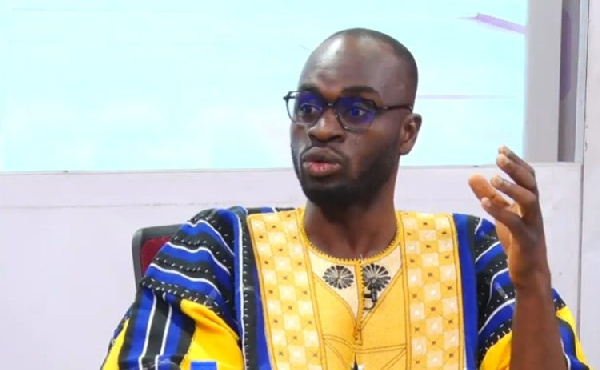
Moreover, the MP challenged the rationale behind the apparent omission of the Big Six from the new currency. He acknowledged that the individuals whose portraits appear on the redesigned notes deserve national recognition, but insisted that their inclusion should not be interpreted as a reason to diminish the contributions of other historical figures.
He particularly identified the Big Six as individuals whose sacrifices helped lay the foundations of modern Ghana.
Dr Mahama cautioned that decisions which appear to relegate such figures to the margins of national history could generate public dissatisfaction.“We are not disputing the fact that other people ought to have been honoured,” he clarified, emphasising that his objection concerns the apparent exclusion of other deserving personalities, not the recognition of those selected.
Consequently, he urged the Bank of Ghana’s Governor and officials responsible for the redesign to explain the historical considerations that informed the selection of portraits. He believes convincing answers would help address public misgivings and establish a clearer understanding of the decisions behind the new notes.
READ ALSO: TraffiTech-GH Records 13,699 Violations Within First Week of Enforcement