United Kingdom has recorded its lowest net migration figure since 1997, excluding the Covid-19 pandemic period, as fewer non-European citizens arrived to work or study and more British and European nationals left the country.
New figures from the Office for National Statistics (ONS) show net migration fell to an estimated 77,000 in the year to June 2026, less than half the 204,000 recorded in the previous 12 months.
The latest estimate reflects a substantial decline from the post-pandemic peak, when net migration reached 924,000 in the year to June 2023.
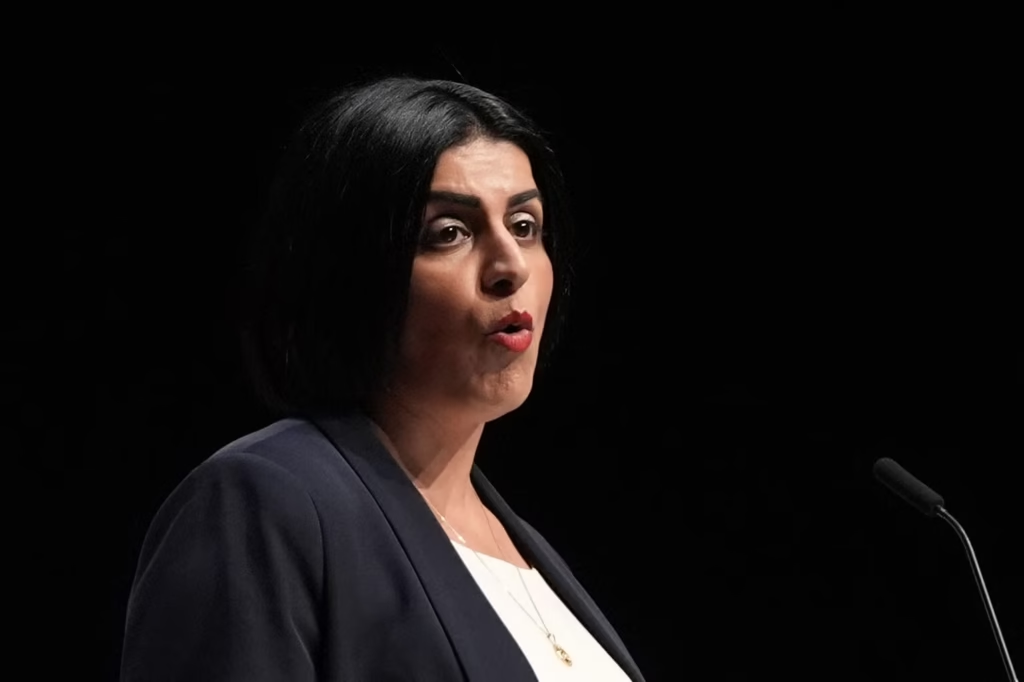
Home Secretary, Shabana Mahmood, welcomed the decline, attributing the reduction to measures introduced by the government to tighten the immigration system.
“This government has restored control. We have brought net migration to 77,000, down 92% from its peak under the previous Government. Where they failed, we have delivered for the British people. This didn’t happen by accident. It happened because this government took action.”
Shabana Mahmood
She added, “but we won’t stop here.”
Non-EU Arrivals Drive Migration Decline

The ONS estimated that 738,000 people immigrated to UK during the year to June 2026, while 661,000 emigrated, producing net migration of 77,000.
The decline was largely driven by a reduction in the number of non-EU citizens arriving for employment and education, alongside an increase in people leaving the country.
Provisional figures show net migration among nationals from outside the EU+ group stood at 258,000, down 121,000 from the previous year. The EU+ category includes the 27 European Union member states, as well as Norway, Iceland, Liechtenstein and Switzerland.
By contrast, net migration among British nationals remained negative at 137,000, while EU+ migration recorded a negative balance of 45,000, indicating that more people from both groups left the UK than arrived.
An estimated 245,000 British nationals emigrated in the year to June 2026, compared with 109,000 who moved to or returned to the country. The number of British citizens leaving has gradually declined from 257,000 in 2024 to 251,000 in 2025.
ONS Deputy Director of Migration Statistics, Sarah Crofts, explained that the pattern of migration had changed significantly since 1997, when movements from both inside and outside the EU contributed positively to net migration.
“In 2026, non-EU citizens are the only group driving positive net migration. EU nationals are leaving in greater numbers than are arriving, as is the case with British nationals.”
Sarah Crofts
She also noted that migration flows were substantially larger than they were in 1997, with more than twice as many people arriving and leaving the UK.
Experts Warn Against Restricting Skilled Workers
Despite the decline, migration experts have cautioned the government against introducing further restrictions that could undermine its economic ambitions, particularly its plans to reindustrialize the country.
Marley Morris, Associate Director for Migration, Trade and Communities at the Institute for Public Policy Research (IPPR), described the latest figures as evidence that the exceptional migration levels recorded after the pandemic had passed.
However, he warned that the government must avoid measures that could restrict access to workers needed in key sectors.
“The government must make sure it doesn’t overreach its mission to ‘reindustrialize’ the UK requires an immigration system that helps to recruit workers critical to our industrial strategy.”
Marley Morris
He also called for “a competitive regime for international students that supports our university sector and helps to boost a critical British export.”
Also, Jonathan Portes, a former Chief Economist at the Cabinet Office, similarly cautioned that efforts to reduce immigration could affect economic growth, productivity and public finances.
“The government is reducing the number of skilled workers who come to the UK, as well as making it much more difficult for them to stay: this is likely to be bad for growth, productivity and the public finances.”
Jonathan Portes
The government has also faced opposition to proposed changes to settlement rules for foreign workers.
Political Dispute Over Migration Figures
The latest statistics have prompted competing claims from political parties over responsibility for the decline and whether the current level of migration is sufficient.
Shabana Mahmood maintained that the government’s reforms were restoring control over immigration and creating a system that rewards contribution.
Shadow Home Secretary Chris Philp, however, attributed much of the decline to measures introduced by the previous Conservative government and called for a legally binding annual migration cap set by Parliament.
Reform UK’s Home Affairs Spokesperson, Zia Yusuf, also criticised the figures, arguing that the fall in net migration is “no cause for celebration.”
According to him, the only way to improve life for British people is to “deport all those who came illegally and reverse the Boriswave to deliver net negative migration.”
Meanwhile, research from King’s College London found widespread public misunderstanding of migration trends.
Their findings reveal that only 4% of respondents correctly estimated that net migration had declined between June 2024 and June 2025, while nearly two-thirds believed it had increased.
Moreover, the latest figures show a decline in the number of asylum seekers accommodated in hotels. Home Office data recorded 13,185 people in temporary hotel accommodation at the end of September 2026, a 64% reduction from 36,273 a year earlier.
The figure is the lowest since the government began publishing the data in 2022, as Labour continues its commitment to ending the use of hotels for asylum seekers before the next general election.
READ ALSO: New Aircraft to End Constraints Posed by Aging Fleet – President Mahama