China, Japan and other major US trading partners have protested the Trump administration’s proposed tariff increases, rejecting allegations that their manufacturing policies have created excess production capacity and distorted global markets.
The proposed tariffs follow a months-long investigation under Section 301 of the US Trade Act. They are expected to take effect early next year and are intended to restore import duties on goods from several economies after a US Supreme Court ruling in February struck down most of President Donald Trump’s sweeping tariffs introduced last year.
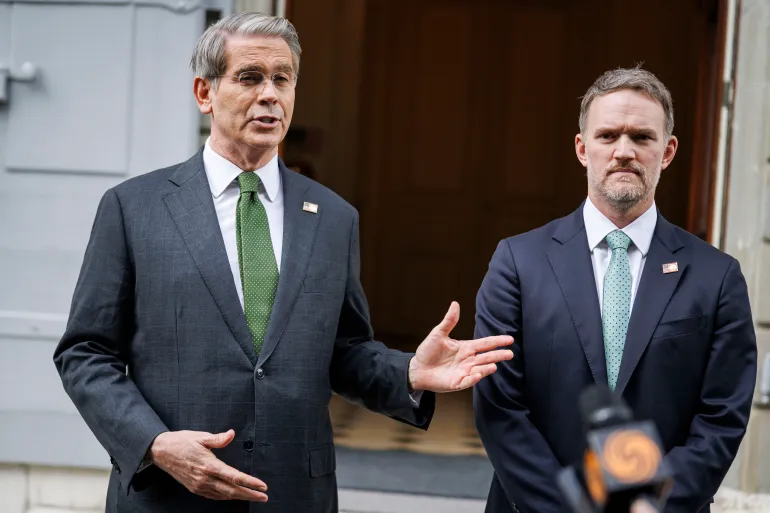
US Trade Representative Jamieson Greer said that he had determined that the manufacturing practices of 14 economies relating to excess capacity and production were “unreasonable and burden or restrict U.S. commerce.”
The proposed measures have drawn objections from governments across Asia and Europe, with several disputing Washington’s assessment of their industrial policies and warning against the use of tariffs to address the issue.
China Rejects Overcapacity Allegations
China, one of the United States’ largest trading partners, faces a proposed tariff rate of 20 per cent, which could rise to 40 per cent if Washington determines that Beijing has not engaged adequately with its concerns.
Chinese officials have rejected the allegations, describing the claim of manufacturing overcapacity as a false premise.
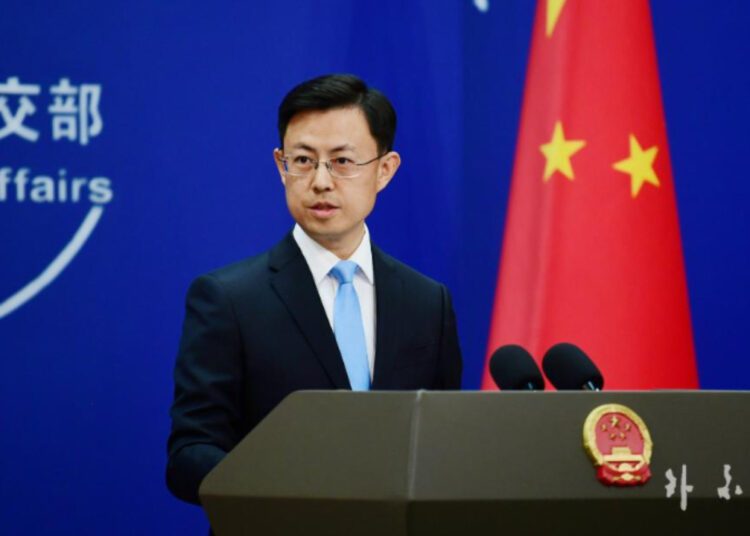
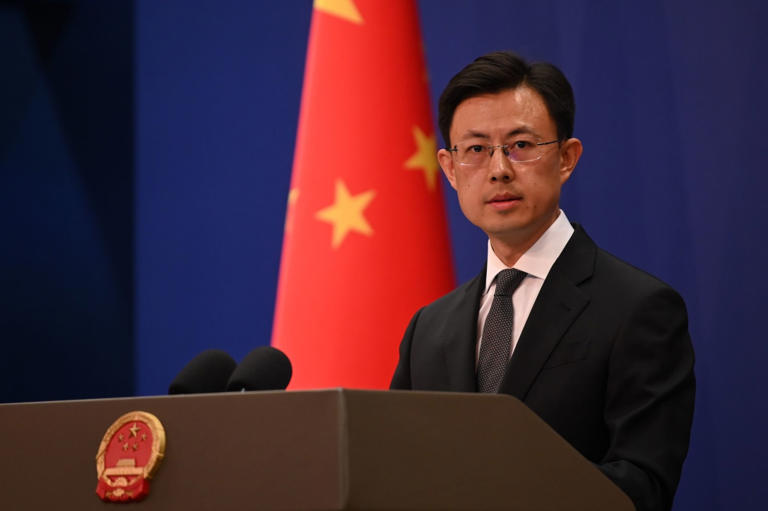
At a regular press briefing today, Foreign Ministry Spokesperson Guo Jiakun stated that Beijing opposed the use of the issue as justification for political pressure.
“China opposes its use as a pretext for political maneuvering. Tariff wars and trade wars serve no one’s interests.”
Guo Jiakun
He added that China would take “necessary measures to defend its legitimate rights and interests” in response to the proposed measures.
The latest tariff dispute comes as Washington and Beijing continue efforts to stabilise their trade relationship. The two countries have extended their trade truce by two months, with the agreement now scheduled to expire on January 10, 2027.
They have also agreed to reduce tariffs on reciprocal lists of non-sensitive products valued at approximately $60 billion in total.
The proposed US duties therefore introduce fresh uncertainty into trade negotiations that have sought to ease tensions between the two economies.
Japan, Singapore, Malaysia Challenge US Claims
Japan also rejected Washington’s assessment of its manufacturing sector and faces proposed tariffs of up to 15 per cent.
Chief Cabinet Secretary Minoru Kihara said that the Japanese government had formally protested to the United States, arguing that the country did not maintain the policies or structural production capacity described by Washington. “Japan does not have any nonmarket policies or practices, or structural excess production capacity in the first place,” Kihara said at a news conference today.
He added that it is “regrettable that the United States announced the proposed measures targeting Japan, and we have conveyed our position to the U.S. side.”
Singapore, which faces a proposed tariff rate of up to 20 per cent, also expressed disappointment with the announcement. “Singapore’s economic policies do not protect our domestic market or subsidize manufacturing for export,” the ministry said.
Malaysia similarly rejected the suggestion that its manufacturing industries had excess capacity that disrupted international markets.
The government said that it would continue engaging with Washington to address the proposed measures.
Vietnam, which faces tariffs of up to 35 per cent, said that it was working with the United States towards a trade agreement.
Thailand Seek To Protect Export Markets
Other affected economies have adopted different approaches to the proposed tariffs, with some expressing concern while continuing negotiations with Washington.
Thailand, which faces a proposed tariff ceiling of 18 per cent, described the latest US proposal as more favourable than expected.
Government Spokesperson Lalida Persvivatana said that Bangkok would continue negotiations with US. “The government will continue to pursue negotiations to secure competitive tariff levels and additional exemptions for Thai products, with the main goal of protecting Thailand’s export markets,” she said.
The European Union has also rejected Washington’s allegations of structural manufacturing overcapacity, despite facing a potential tariff rate of 15 per cent.
The 27-member bloc said that Europe was not a source of structural overcapacity and questioned the absence of coordinated action between the EU and the United States.
Analysts estimate that the 14 economies targeted by the Trump administration collectively account for approximately half of the global economy, underlining the potential international implications of the proposed measures.
With several governments already challenging the allegations and others seeking exemptions through negotiations, the coming months are likely to be important in determining the final scope of the tariffs and their impact on international trade.
READ ALSO: CDD-Ghana: Corruption Steals Classrooms, Jobs and Opportunities From Ghanaian Youth