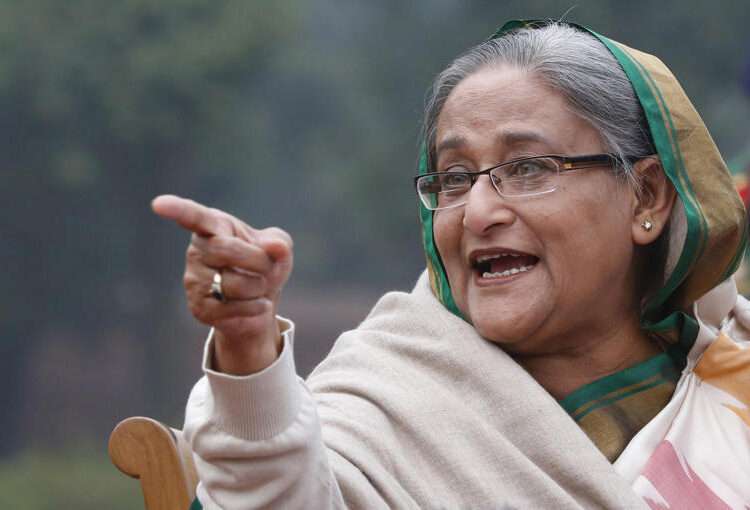
Former Bangladesh Prime Minister Sheikh Hasina plans to return home from exile in India on December 16, the day the country celebrates as Victory Day when it won independence after a war with Pakistan.
Her spokesperson, Syed Mozammel Ali, disclosed the plan in a statement. The announcement comes amid renewed unrest in Bangladesh, where supporters of her Awami League party have staged protests despite a ban on its activities.
Hasina fled to India in August 2024 after a student-led mass uprising brought an end to her 15-year rule. She was subsequently sentenced to death in absentia by Bangladesh’s International Crimes Tribunal for ordering a deadly crackdown on protesters during the unrest.
The former Prime Minister has rejected the verdict and maintained that she is prepared to challenge the case if she returns to Bangladesh.
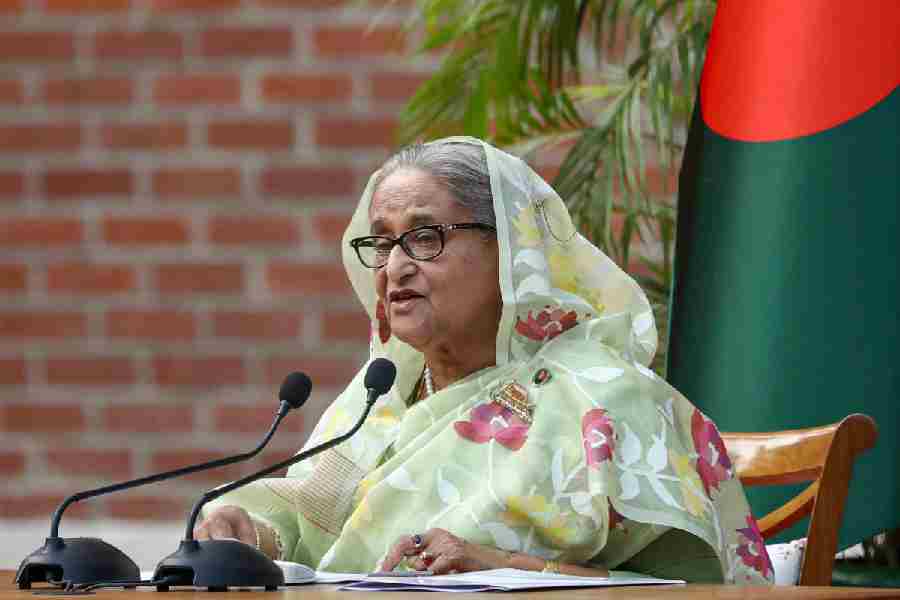
Her proposed return date coincides with the anniversary of Bangladesh’s victory in the 1971 Liberation War against Pakistan. In announcing the plan, Hasina called on Prime Minister Tarique Rahman’s government to arrange her return flight using the national airline.
“Since Sheikh Hasina was flown to India on a Bangladesh aircraft on August 5, 2024, she now calls upon the government to arrange for her air transport from Delhi back to Dhaka.”
Syed Mozammel Ali
Hasina is expected to be arrested upon arrival and taken into custody.
Hasina’s political history is closely connected to Bangladesh’s independence struggle and the country’s founding leadership. Her father led the movement for independence from Pakistan and became the first leader of the newly established People’s Republic of Bangladesh.
He was killed in a military coup in 1975, alongside most members of his family. Hasina and her younger sister survived because they were outside the country at the time. The family history has remained a significant part of Hasina’s political identity and her connection to Bangladesh’s founding period.
Her proposed return on December 16, a date marking the country’s victory in the 1971 Liberation War, therefore carries historical significance.
Government Insists On Extradition
Bangladesh’s authorities have rejected the suggestion that the government should organise Hasina’s return, maintaining that she must come back through the formal extradition process.
Aminul Islam, Chief Prosecutor of the International Crimes Tribunal, said that it was unreasonable for someone convicted in absentia and living abroad to expect the government to arrange their return.
The tribunal sentenced Hasina to death over her alleged responsibility for the crackdown on the 2024 uprising, during which hundreds of protesters were killed.
Bangladesh’s judiciary has also indicated that Hasina can no longer appeal the sentence because she missed the required deadline. It has further stated that there would be no legal basis to halt her execution.
Although presidential clemency is available under Bangladesh’s legal system, Hasina has not sought it in her previous statements. Instead, she has rejected the verdict and maintained that she is ready to contest the case.
Bangladesh’s State Minister for foreign affairs Humayun Kabir dismissed the prospect of Hasina returning on her own terms, telling a pres briefing, “Sheikh Hasina will not be able to return to the country as an ordinary commercial passenger; she will be brought back in handcuffs.”
Kabir also accused Hasina and Delhi of fomenting recent unrest in Bangladesh, alleging that they were backing “terrorist activities” in the country.
In April, India’s Foreign ministry said it was examining Bangladesh’s request to extradite her and that it wanted to “engage constructively with the new government and further strengthen bilateral ties.”
The competing positions leave uncertainty over how her proposed return would be handled, particularly given the possibility of her immediate arrest and the government’s insistence on extradition.
Death Sentence Follows Deadly Crackdown
The legal case against Hasina stems from the violent response to the student-led demonstrations that ultimately forced her from power in August 2024.
The United Nations has estimated that as many as 1,400 people were killed during the unrest, a figure that reflects the scale of the violence surrounding the uprising.
Hasina has disputed the verdict against her, while her spokesperson’s announcement signals her intention to return despite the prospect of imprisonment and the death sentence.
Her departure brought an end to 15 years in power and marked a major political turning point for Bangladesh. She had gone into exile in India after the protests made her continued rule untenable.
However, the announcement comes against the backdrop of her conviction and the government’s position that she must be extradited. Whether she can return on the date she has proposed will depend on the legal and diplomatic arrangements governing her return from India.
READ ALSO: US Blacklists Megaspeed Amid Nvidia-China Spying Controversy