Iran has vowed to use all available means to counter a United States naval blockade, describing Washington’s restrictions on its ports and shipping as an act of military aggression amid a prolonged conflict involving Israel and the United States.
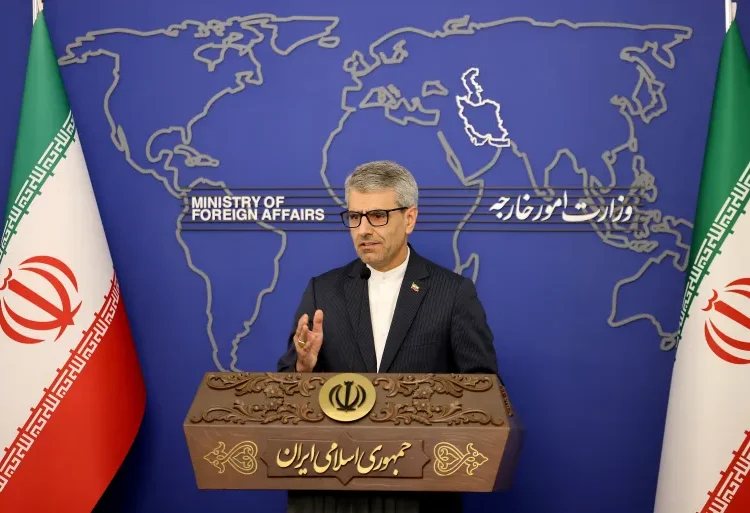
Iranian Foreign Ministry Spokesperson, Esmaeil Baghaei stated that Tehran would not accept the blockade, arguing that the measures went beyond economic sanctions and amounted to an attack on the country. Baghaei said during a news briefing, “We will certainly not tolerate these actions and will use all available means to counter US aggression.”

He maintained that Iran was entitled to defend itself.
“You should bear in mind that what the Americans have described as economic sanctions, an economic blockade and a naval blockade undoubtedly constitute an act of military aggression against Iran.
“Under these circumstances, Iran is entitled, pursuant to Article 51 of the UN Charter, to use any means at its disposal to defend itself.”
Esmaeil Baghaei
The remarks come as diplomatic efforts to end the nine-month conflict remain stalled, with disagreements over the conditions for restoring security in the strategically important Strait of Hormuz.
US Blockade Intensifies Pressure On Iranian Trade
Washington first imposed the naval blockade on April 13, before lifting it in June after reaching a draft understanding with Tehran.
However, the restrictions were reinstated on July 14 following the collapse of the agreement, which had outlined a possible path towards a permanent settlement.
The United States has also introduced additional economic sanctions and established a task force intended to disrupt land routes into Iran.
The measures are part of Washington’s efforts to pressure Tehran into abandoning its attempts to restrict access through the Strait of Hormuz, a vital international shipping route for oil and natural gas.

Iranian forces have made several announcements in recent weeks claiming that ships attempting to use routes considered off-limits by Tehran have caught fire.
Baghaei also dismissed reports that Iranian vessels were loading oil, describing such accounts as “speculation.”
Meanwhile, visible Iranian crude oil exports have fallen to near-zero levels in recent months amid the restrictions, further increasing pressure on the country’s trade and energy sector.
Strait Of Hormuz Remains Central To Conflict
The Strait of Hormuz has become one of the principal flashpoints in the conflict, with Iran continuing efforts to block or restrict passage through the waterway.
The strategic passage is essential to international energy markets, handling significant shipments of crude oil and natural gas from Gulf producers to global destinations.
The confrontation escalated after the United States and Israel launched air strikes against Iran on February 28, killing Supreme Leader Ali Khamenei and other senior officials.
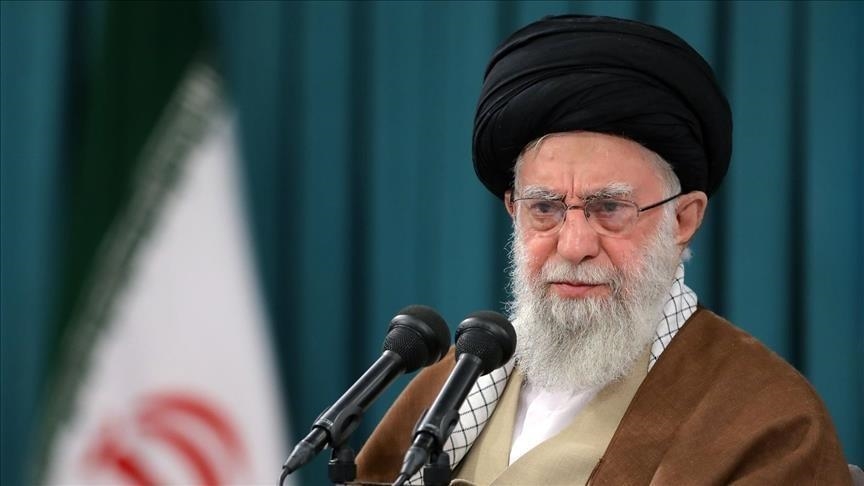
Iran subsequently launched missile and drone attacks across the region, while armed groups backed by Tehran in Lebanon, Yemen and Iraq also became involved in the wider conflict.
Washington later imposed restrictions on Iranian ports in an effort to force Tehran to abandon its attempts to close the Strait of Hormuz.
The continuing confrontation has heightened concerns over the security of commercial shipping and the potential consequences for global energy supplies.
Iran Sets Conditions For Restoring Maritime Security
Despite its warning that it would resist the blockade, Iran has indicated that the Strait of Hormuz could reopen within two days if Washington meets its conditions.
Tehran has demanded an end to hostilities, the lifting of the naval blockade and the removal of sanctions.
Baghaei said that restoring security in the waterway would be possible if the United States fulfilled its commitments. “If the American side fulfils its commitments, security can be restored to the Strait of Hormuz and the region in the shortest possible time,” he said.
However, the prospects for a diplomatic breakthrough remain uncertain following the collapse of the June understanding.
The disagreement over the blockade, sanctions and control of maritime access continues to complicate negotiations, with both sides maintaining positions that have so far prevented a lasting settlement.
Iran’s latest warning signals that Tehran intends to challenge Washington’s restrictions while keeping the reopening of the Strait of Hormuz conditional on concessions from the United States.
With the waterway remaining central to the conflict and international energy trade, the outcome of the standoff could have consequences extending well beyond the region.
READ ALSO: Belgium Braces For Major Flight Disruption