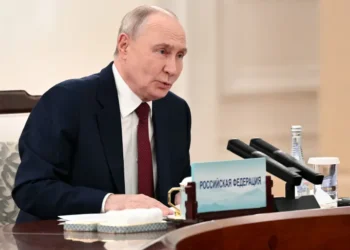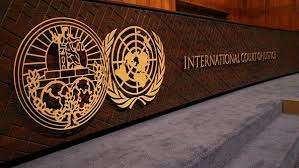
Myanmar’s government has rejected a landmark International Court of Justice (ICJ) judgment finding the country responsible for genocide against the Rohingya minority, describing the decision as “unfair” because it was not supported unanimously by the judges.
Presidential spokeswoman Khine Khine Soe made the comments today, a day after the United Nations’ highest court ruled by nine votes to six that Myanmar had committed genocide against the Rohingya during its 2017 military operations in northern Rakhine State.
Speaking to reporters in the capital, Naypyitaw, Khine Khine Soe questioned the division among the judges, arguing that the decision did not represent a unanimous conclusion.
“Not all 15 judges agreed with the decision. So it was not a decision made unanimously. I would say that it was unfair.”
Khine Khine Soe
The ruling represents the first time the ICJ has found a state responsible for committing genocide, marking a significant development in the international legal proceedings brought against Myanmar over the treatment of the Rohingya.
Myanmar has consistently denied committing genocide, maintaining that its military operations in 2017 were conducted in response to attacks by a Rohingya insurgent group.
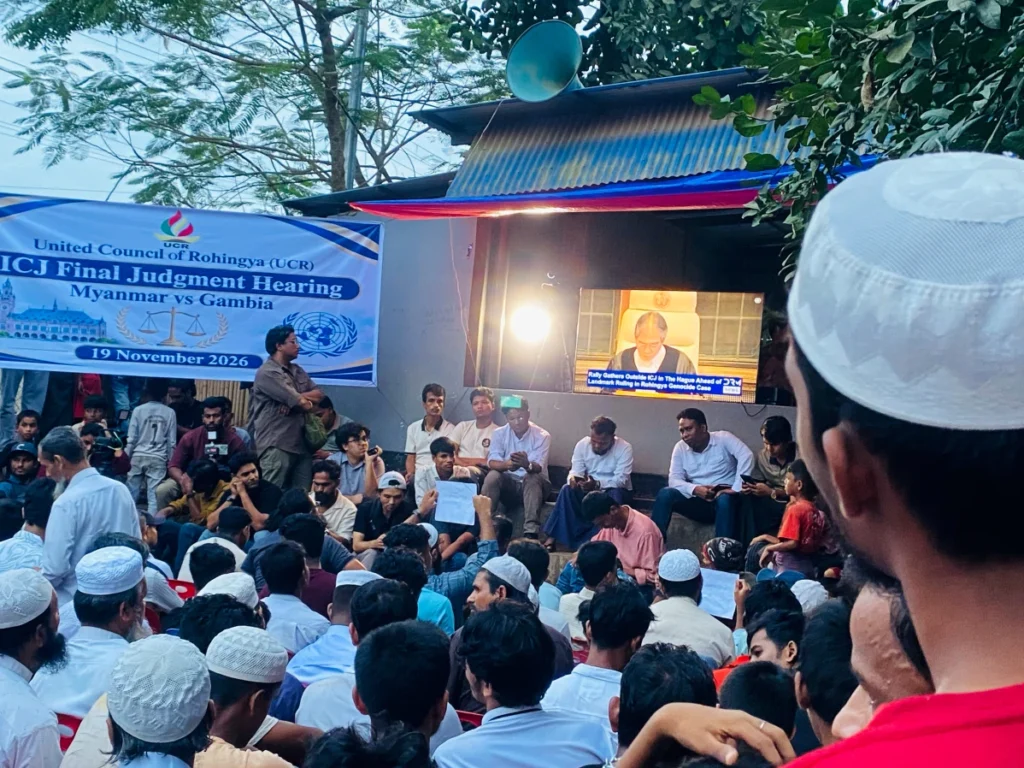
Khine Khine Soe stated that the government had made efforts to address the issues raised during the proceedings and meet its international obligations.
She said that Myanmar had made “every effort” to respond to the questions presented before the court and had “done our best to fulfil our obligations and address the issues in accordance with international standards.”
Court Finds Genocidal Intent In 2017 Military Operations
The case concerned the military campaign launched in August 2017 in Rakhine State following attacks by a Rohingya insurgent group.
Myanmar’s military described the operation as a clearance campaign targeting insurgents. However, it triggered allegations of widespread killings, sexual violence, village destruction and other abuses against Rohingya civilians.
The court found that Myanmar’s security forces committed acts prohibited under the Genocide Convention, including killings, serious bodily and mental harm, and measures intended to prevent births within the Rohingya community.
It concluded that the acts were carried out with the specific intent to destroy a substantial part of the Rohingya population.
According to the court’s findings, approximately 10,000 Rohingya were killed during the violence. More than 700,000 others fled to neighbouring Bangladesh, where many have remained in refugee camps.
The court also found that Myanmar had violated its obligations to prevent and punish genocide under the 1948 Genocide Convention.
President Min Aung Hlaing, who now leads the country, was the military’s Commander-in-chief during the 2017 operation.
Myanmar Says It Needs Time To Study Judgment
Khine Khine Soe did not directly address the implications of the judgment or the measures Myanmar is required to take.
Instead, she said that the ruling and the individual opinions of the judges extended beyond 300 pages and would require careful examination before the government could respond. “Since these are legal documents, we will need to take our time and study them carefully,” she said.
The court’s judgment requires Myanmar to take steps to investigate individuals reasonably suspected of committing genocide and prosecute and punish those found responsible where warranted.
It also requires the country to provide assurances against the repetition of such violations, adopt measures of restitution and compensate the Rohingya for the harm caused.
Among the restitution measures is the obligation to facilitate the safe, voluntary and dignified return of Rohingya who were displaced, as well as the reunification of separated families.
The court said that the amount and modalities of compensation would be determined in a subsequent phase of the proceedings. Myanmar is required to submit a report on its restitution measures and compensation arrangements within two years of the judgment.
The ruling is final, legally binding on the parties and cannot be appealed. However, the ICJ does not have its own enforcement mechanism, leaving compliance dependent on the actions of the state concerned and, where necessary, international diplomatic and institutional pressure.
Rohingya Refugees Remain In Bangladesh
The judgment comes as large numbers of Rohingya refugees continue to live in Bangladesh after fleeing violence in Myanmar.
Approximately 1.2 million Rohingya refugees are currently in Bangladesh, primarily in crowded camps across Cox’s Bazar district.
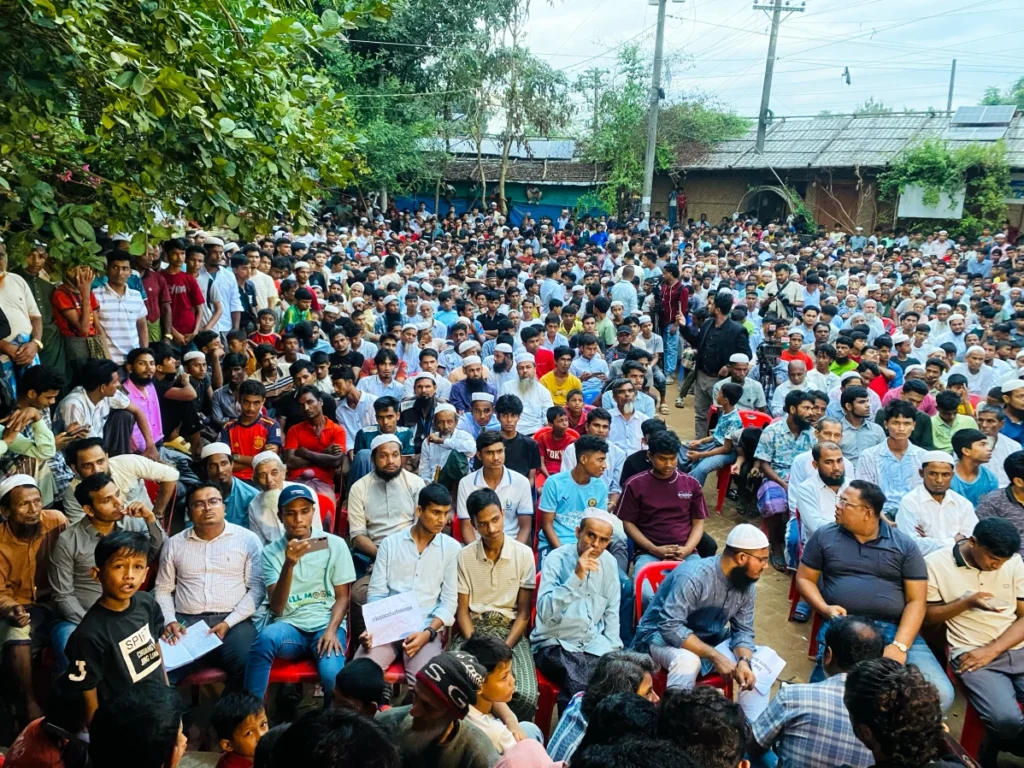
The camps face persistent humanitarian challenges, including fire hazards, infectious diseases, monsoon-related landslides, inadequate sanitation and restrictions on employment opportunities.
Bangladesh has repeatedly called on the international community to support efforts to repatriate the refugees to Myanmar.
However, any return would depend on conditions that ensure their safety, dignity and protection from further persecution.
The ICJ ruling has established Myanmar’s responsibility under the Genocide Convention and outlined obligations aimed at accountability and redress. Whether those measures will be implemented remains a central question as the government considers its response to the judgment.
READ ALSO: Majority Chief Whip Reaffirms Parliament’s Support For Detained MP