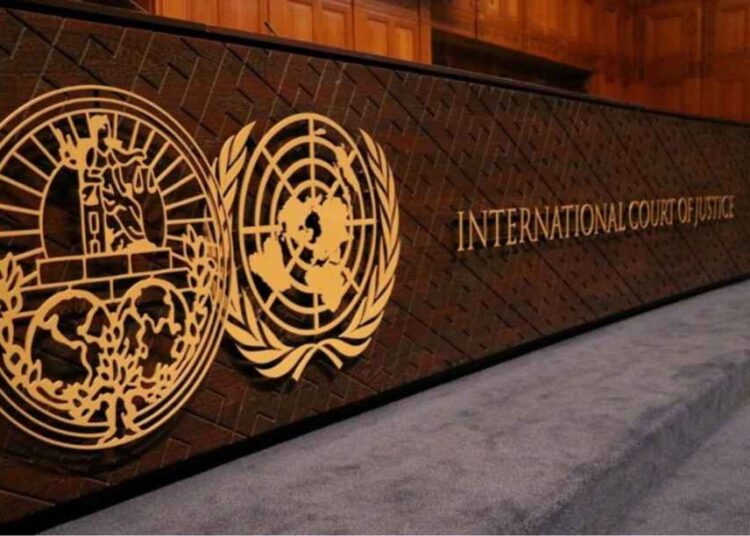
The International Court of Justice (ICJ) has ruled that Myanmar committed genocide against its Rohingya minority during the military’s 2016–2017 campaign, marking the first time the United Nations’ highest court has held a state directly responsible for the crime of genocide.
The landmark judgment, delivered by a nine-to-six majority of the 15-member court, concludes a seven-year legal battle and establishes a significant precedent for international accountability.
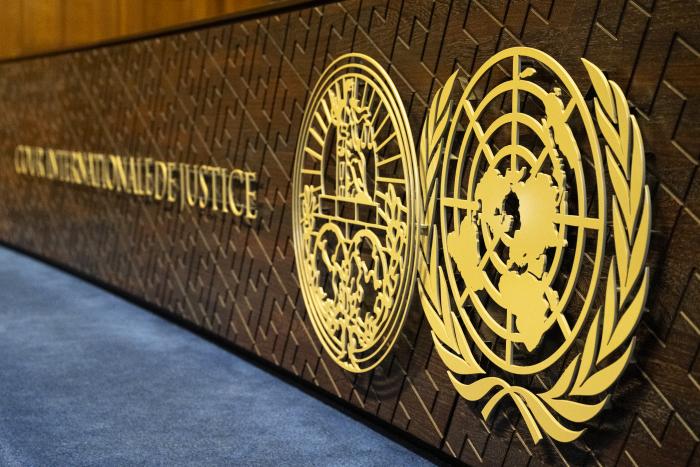
Delivering the judgment at the Peace Palace in The Hague, ICJ President Yuji Iwasawa stated that “the Republic of the Union of Myanmar has committed genocide against the Rohingya.”
“On the basis of all the evidence taken together, the Court is of the view that the only reasonable inference that can explain Myanmar’s actions is an intention to destroy a substantial part of the Rohingya population in northern Rakhine State.”
ICJ President Yuji Iwasawa
Evidence Establishes Genocidal Intent
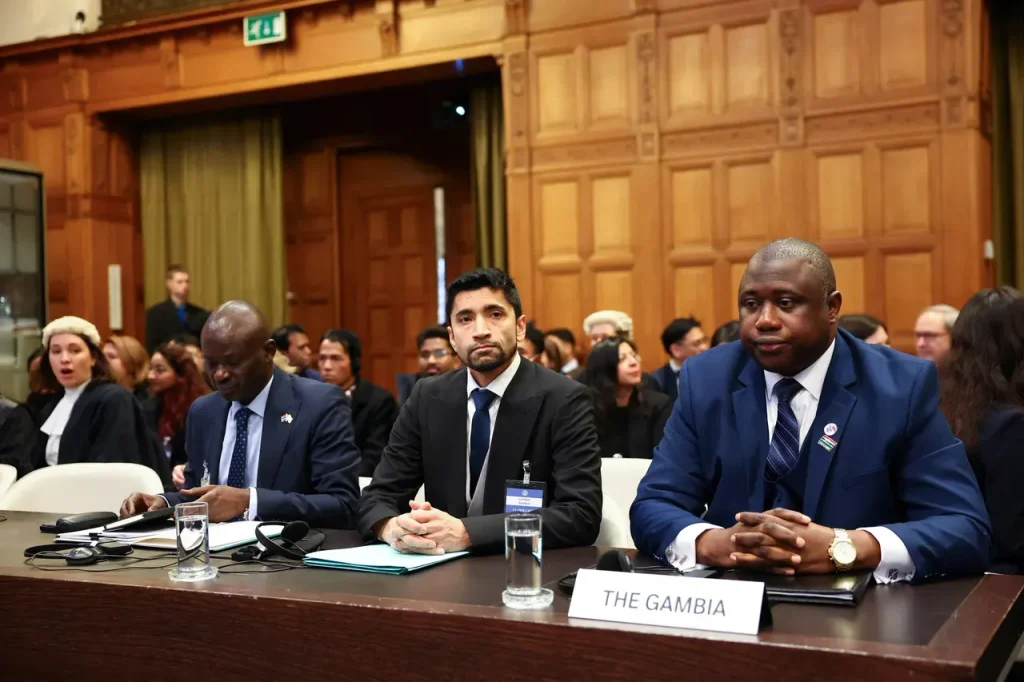
The case was brought against Myanmar by The Gambia in November 2019 under the 1948 Convention on the Prevention and Punishment of the Crime of Genocide. The West African country indicated that Myanmar had violated its obligations under the convention through the military’s operations against the Rohingya in Rakhine State.
The Gambia’s case relied on evidence of systematic attacks against Rohingya communities, including indiscriminate killings, sexual violence, attacks on children and the burning of settlements. It also presented accounts of security forces shooting civilians as they attempted to escape into Bangladesh.
During the proceedings, the court examined evidence from survivors and witnesses, including testimony from Rohingya refugees who travelled from Bangladesh to participate in the hearings in January 2026.
In its assessment, the ICJ attached significance to the scale and nature of the violence, including widespread sexual violence and extreme acts against children.
It also considered attacks on Rohingya civilians fleeing across the border, finding that the military’s conduct could not be explained as an effort to target armed groups alone.
The court further addressed the use of sexual violence as a means of undermining the Rohingya population’s ability to reproduce. It considered evidence that such violence, alongside restrictions on births within Rohingya families, formed part of measures intended to destroy the group.
Myanmar had maintained that its military operations were responses to attacks by Rohingya insurgents.
However, the judges rejected the defence, finding that the evidence supported the conclusion that the military acted with genocidal intent.
ICJ Orders Reparations and Safe Return
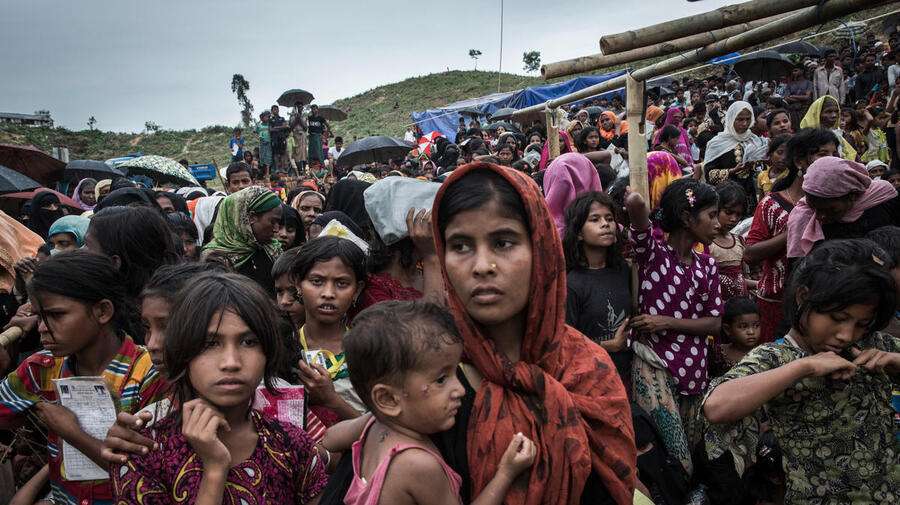
Following its finding, the court called on Myanmar to provide reparations and restitution to Rohingya victims, including measures to facilitate their safe return to their places of residence and the reunification of families.
The remedies also include returning or replacing property lost or damaged during the military operations, alongside physical and mental rehabilitation for survivors.
The judgment further requires Myanmar to take steps to protect the Rohingya from future discrimination and persecution. The court’s decision is final and binding, although the ICJ does not have an independent enforcement mechanism.
The implementation of those measures, however, remains uncertain, given Myanmar’s political and security situation. The country has been governed by a military-backed administration since the February 2021 coup that removed the elected government of Aung San Suu Kyi.
Min Aung Hlaing, who led the military during the 2016–2017 operations, is now the country’s leader. The military authorities have shown little indication of facilitating the Rohingya’s return, while continuing conflict in Rakhine State has further complicated conditions for civilians.
Meanwhile, Rohingya refugees in Bangladesh continue to face difficult living conditions, including restrictions on employment, limited access to education and healthcare, and risks of trafficking and exploitation.
Ruling Carries Wider Implications for International Justice
Interestingly, the judgment is expected to influence decisions surrounding other genocide proceedings before international courts, particularly the case brought by South Africa against Israel over its military campaign in Gaza.
The Gambia’s successful application demonstrated that a state can bring proceedings against another country under the Genocide Convention, even when it is not directly affected by the alleged atrocities. The ICJ subsequently allowed South Africa to pursue its separate case against Israel, which denies the genocide allegations.
The legal significance of the ruling stems from the demanding standard for proving genocide, which requires evidence of an intention to eliminate, entirely or partially, a national, ethnic, racial or religious group. This distinguishes genocide from other major international crimes, such as war crimes and crimes against humanity.
Nevertheless, enforcing the court’s decisions requires cooperation among states, despite their binding status under international law.
READ ALSO: Ghana’s Mobile Money Transactions Hit Record GH¢4.9 Trillion