United Nations Population Fund (UNFPA) has warned that global crises, including economic insecurity, unemployment, conflict and widening inequality, are threatening the future of young people worldwide, making it increasingly difficult for them to achieve key milestones of adulthood despite significant gains in education, access to information and awareness of their rights.
The 2026 State of World Population report, titled Succeeding Generations: Empowering Young People to Chart the Future, points to a growing disconnect between the opportunities available to young people in principle and the realities they encounter as they seek financial independence, stable employment, housing and family life.
UNFPA Executive Director, Diene Keita, stated that, “young people want independence, stable relationships, and many want children. But too often, economic insecurity, unaffordable housing, conflict and exclusion are putting those aspirations out of reach.”
“Our responsibility is to make sure their aspirations become real choices. That means investing in their health, education and economic opportunities. It means protecting their ability to make decisions about their own bodies and lives.”
UNFPA Executive Director, Diene Keita
According to the report, millions are coming of age amid overlapping pressures, including climate change, rapid technological advances, conflict and economic instability. While some are forced to take on adult responsibilities prematurely because of poverty and crisis, others are finding it increasingly difficult to establish independent lives and pursue their personal aspirations.
Financial Insecurity Delays Independence and Family Formation

The report identifies financial insecurity as a major obstacle preventing young people from transitioning into independent adulthood, particularly as stable employment and affordable housing become increasingly difficult to secure.
Globally, one in five young people is neither employed nor enrolled in education or training, while four in five young adults in low-income countries lack secure paid employment. These conditions are limiting their ability to earn a reliable income, establish independent households and plan for the future.
The consequences extend into personal relationships and decisions about starting families. A UNFPA survey of more than 100,000 internet-connected young adults across 73 countries and territories found that financial insecurity is making it harder for many to pursue their preferred relationship arrangements and have children.
Although 70% of respondents identified marriage as their ideal relationship arrangement, 91% expressed a desire to have at least one child, while 73% considered having a partner and children important milestones in life.
However, economic constraints are preventing many from achieving these aspirations at the time they would prefer. Financial insecurity was identified as the most commonly reported barrier to forming partnerships, cited by 57% of respondents, and having children was reported by 72%.
The findings further indicate that more than 40% of respondents aged 35–39 who considered marriage their ideal arrangement were unmarried.
Additionally, one quarter of respondents in the same age group reported having fewer children than they would have liked.
Inequality and Conflict Expose Young People to Greater Risks
While economic insecurity affects young people across different settings, the report highlights significant disparities in the challenges faced by women, persons with disabilities and those living in conflict-affected areas.
Young women aged 15–24 are more than twice as likely as young men to be outside employment, education or training. Similarly, 49% of young persons with disabilities are neither in school nor employed.
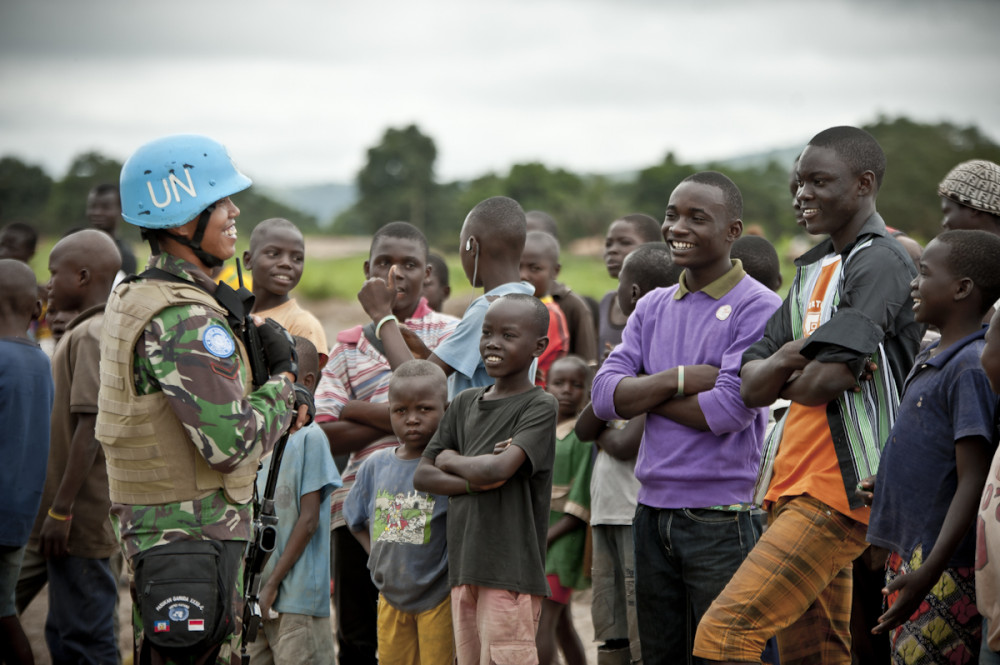
Conflict is also exposing millions of young people to displacement, insecurity and disrupted access to essential services. The number of people aged 10–24 living within 50 kilometres of active conflict more than doubled, rising from 164 million in 1990 to 340 million in 2022.
The report also draws attention to threats to young people’s physical and mental well-being. Nearly one quarter of girls aged 15–19 who have had an intimate partner reported experiencing physical or sexual violence from a partner, while mental health conditions now account for 19% of the total disease burden among adolescents.
These challenges are unfolding alongside wider changes in technology, climate and global development financing, all of which are influencing the opportunities available to younger generations.
UNFPA cautions that the combined pressures risk limiting young people’s ability to make meaningful decisions about their education, employment, relationships and reproductive lives, particularly where adequate health and social support systems are lacking.
Young People Demand Greater Influence Over Their Future
Despite the constraints identified in the report, young people are increasingly organising within their communities, mobilising online, pursuing legal action and participating in public campaigns and protests to demand changes to the conditions shaping their lives.
Their demands include better preparation for the changing world of work, access to decent employment, stronger health and social support systems, protection of bodily autonomy and reproductive choices, and a meaningful role in decisions affecting their future.
However, the report highlights a significant gap between young people’s share of the global population and their representation in political institutions.
Although people aged 30 and younger account for 19% of the world’s population, they occupy just 2.8% of parliamentary seats, with women holding fewer than half of those positions.
The limited representation comes amid declining international development support, which could further undermine efforts to address the challenges facing younger generations.
Official development assistance from Organisation for Economic Co-operation and Development (OECD) countries fell by 23% in 2025, marking the largest annual contraction on record.
UNFPA further warns that, as international health and development financing declines, as many as 22 million additional preventable deaths could occur among people of all ages by 2030.
Against this backdrop, Succeeding Generations calls on governments and international partners to create conditions that allow young people to translate their ambitions into achievable life choices.
READ ALSO: Ten African Nations, No Ghana or Nigeria at U-17 World Cup