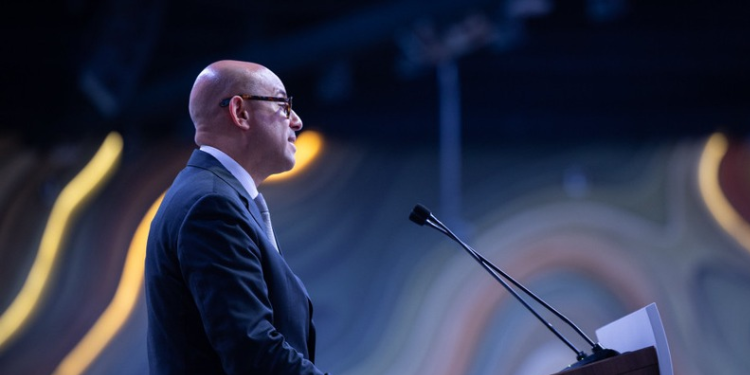
UN Climate Change Executive Secretary, Simon Stiell, has called for the meaningful involvement of women, girls, men and boys in shaping climate policies and the transition to sustainable economies, stressing that inclusive participation is essential to ensuring the benefits of climate action reach all sections of society.
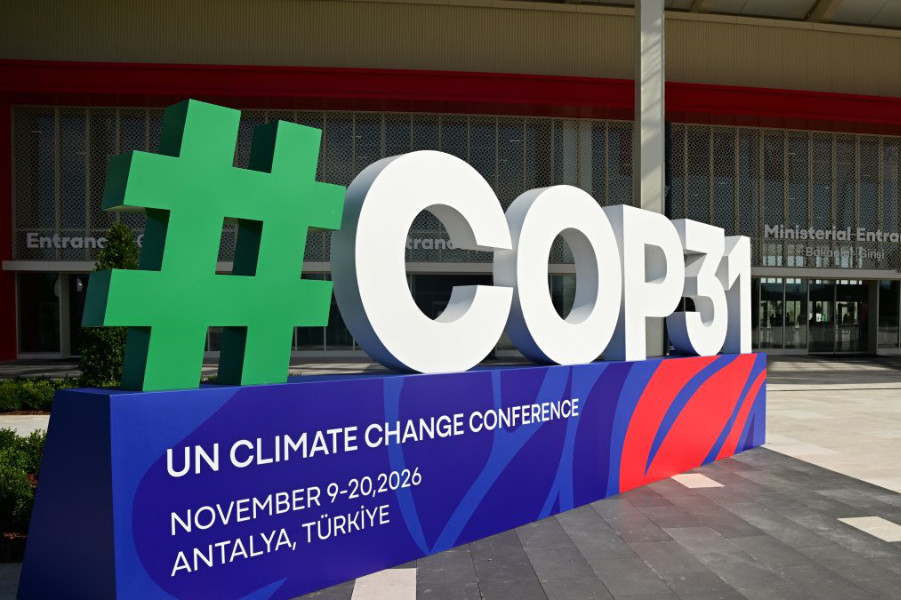
Addressing a high-level event at the 31st UN Climate Change Conference (COP31) in Antalya, Türkiye, on November 18, 2026, the UN Climate Chief stated that socially just transitions must account for the different ways people experience climate change and economic transformation.
“That means livelihoods protected, new opportunities within reach, and greater confidence in the future. That is the promise of socially just transitions. And we can only fulfil it when all women and girls, men and boys have a voice in shaping them.”
Simon Stiell
Meanwhile, countries are facing increasing pressure to demonstrate tangible progress on climate action while ensuring that efforts to build low-carbon economies do not leave already disadvantaged communities further behind.
Gender Differences Shape Climate and Employment Risks
Highlighting the employment implications of climate change, Simon Stiell cited International Labour Organization (ILO) estimates indicating that more than 1.2 billion jobs depend on a healthy environment and a stable climate.
However, he cautioned that the effects of climate and economic transitions are not distributed equally, with occupational patterns exposing women and men to different risks.
“Women are over-represented in climate-exposed sectors such as agriculture and health, and do a disproportionate share of paid and unpaid care work. Men are over-represented in energy, transport and construction, where profound changes are underway.”
Simon Stiell
According to the UN Climate Chief, ILO modelling estimates that men will account for five of the seven million jobs expected to be lost in carbon-intensive sectors by 2030.
He also identified age, disability, ethnicity, Indigenous identity and geographical location as factors influencing how individuals and communities experience economic and environmental changes.
“Understanding these realities matters because the benefits of the transition will not reach everyone automatically,” he stressed.
Simon Stiell therefore called for climate policies informed by evidence of how different groups are affected, arguing that such measures could improve access to decent employment and strengthen social protection for workers and their families.
He further urged governments to challenge occupational stereotypes in sectors such as health, education, care and energy, noting that greater inclusion could address inequality while building wider support for the transition.
Women’s Participation Can Strengthen Climate Action

Moreover, UN Climate Chief further pressed for increased opportunities for women in renewable energy, noting that IRENA research has found no significant growth in their share of employment since 2019.
He added, “our clean energy future has so much talent still to draw on.”
The UN Climate Chief cited examples from Vanuatu, where women are using clean electricity to generate income and improve their safety, as well as Türkiye, where more than 400 women have acquired digital and green skills.
“A new skill can change a woman’s livelihood and open new possibilities for her family. Those gains can strengthen whole communities. Strong evidence links greater representation of women in parliaments with stronger climate policies, and in boardrooms with lower corporate emissions.”
Simon Stiell
According to him, research has established a connection between greater representation of women in national parliaments and stronger climate policies, while increased female representation in corporate boardrooms has been associated with lower emissions.
Second Global Stocktake Sets New Climate Priorities
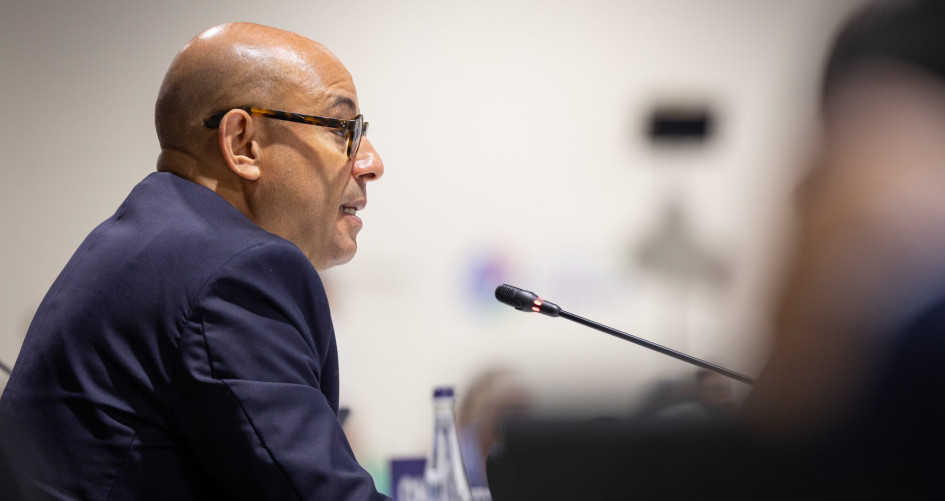
The call for inclusive climate action comes as the UN climate process begins preparations for the second Global Stocktake.
“We are at the starting line of the second global stocktake,” he stated, describing it as an opportunity to examine “the state of play on climate” and determine “what’s worked and what hasn’t.”
Simon Stiell stressed that the assessment must be grounded in scientific evidence and equity while building on the commitments reached during the first Global Stocktake.
These include tripling global renewable energy capacity and doubling energy efficiency by 2030, transitioning away from fossil fuels in a just, orderly and equitable manner, and accelerating adaptation efforts to strengthen resilience.
He also emphasised the need to scale up climate finance, technology transfer and capacity-building support to enable countries to implement their commitments.
With the second Global Stocktake scheduled to conclude at COP33 in 2028, Simon Stiell identified the next two years as critical for building political support and ensuring that existing climate targets translate into measurable progress.
He urged countries to prioritise the implementation of existing targets, noting that 90 per cent of Parties had reflected the outcomes of the first Global Stocktake in their national climate plans, known as Nationally Determined Contributions (NDCs).
READ ALSO: Kwesi Arthur Drops New Single ‘Home’ On Audiomack