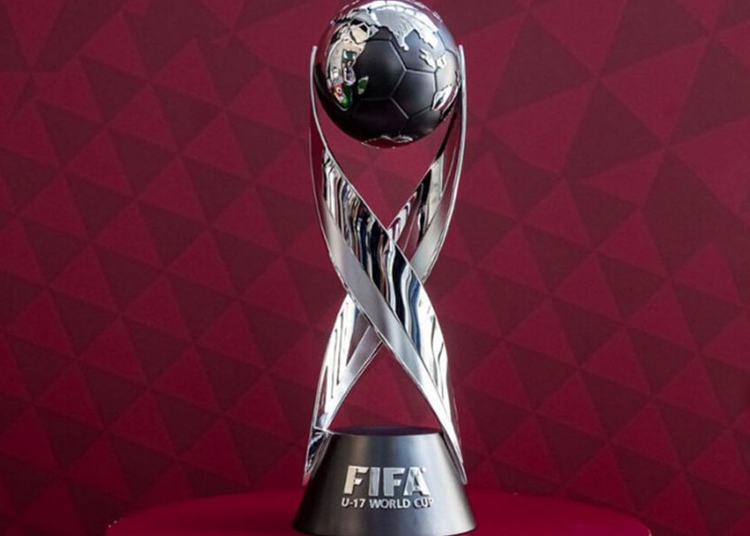
Africa will be represented by 10 nations at the 2026 FIFA U-17 World Cup in Qatar, but the absence of two of the continent’s most successful teams, Ghana and Nigeria, will be a major talking point when the tournament begins on Thursday, November 19.
The Black Starlets and Nigeria’s Golden Eaglets will both miss the global youth football showpiece, leaving other African representatives to carry the continent’s hopes at a competition where African nations have enjoyed considerable success.
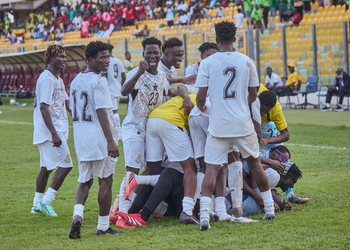
Ghana, two-time champions, have not featured at the tournament since 2017 and will extend their absence after failing to secure qualification at the 2026 CAF U-17 Africa Cup of Nations in Morocco.
The Black Starlets suffered elimination against Uganda in the qualification play-offs, losing 8-7 on penalties after a 2-2 draw in regulation time. The Junior Cranes held their nerve in the shootout to secure one of Africa’s final two tickets to Qatar.
Nigeria, meanwhile, will also be absent despite being the most successful nation in the competition’s history, having won the title five times.

Their absence means neither of Africa’s two traditional powerhouses at the U-17 level will be involved in this year’s tournament, creating an opportunity for the continent’s emerging football nations to make their mark on the world stage.
Africa’s Ten Representatives Ready for Qatar
The 10 African nations that have secured qualification are Egypt, Uganda, Mozambique, Côte d’Ivoire, Senegal, Mali, Morocco, Tanzania, Algeria and Cameroon.
The eight quarter-finalists from the 2026 CAF U-17 Africa Cup of Nations automatically secured their places, while Uganda and Mozambique completed the continent’s allocation through the qualification play-offs.
Among the representatives, Senegal will attract particular attention after winning the 2026 CAF U-17 Africa Cup of Nations to establish themselves as continental champions.

The Young Teranga Lions will be hoping to translate their continental dominance into a strong global campaign after reaching the Round of 16 in 2019 and 2023.
Morocco, meanwhile, will be looking to build on their impressive performances in recent youth competitions. The Atlas Cubs reached the quarter-finals in their previous two appearances at the U-17 World Cup and will be targeting another deep run.
Mali also enter the competition with a reputation for producing quality youth sides. The Eaglets finished runners-up in 2015, their best performance at the tournament, and will be hoping to go one step further this time.
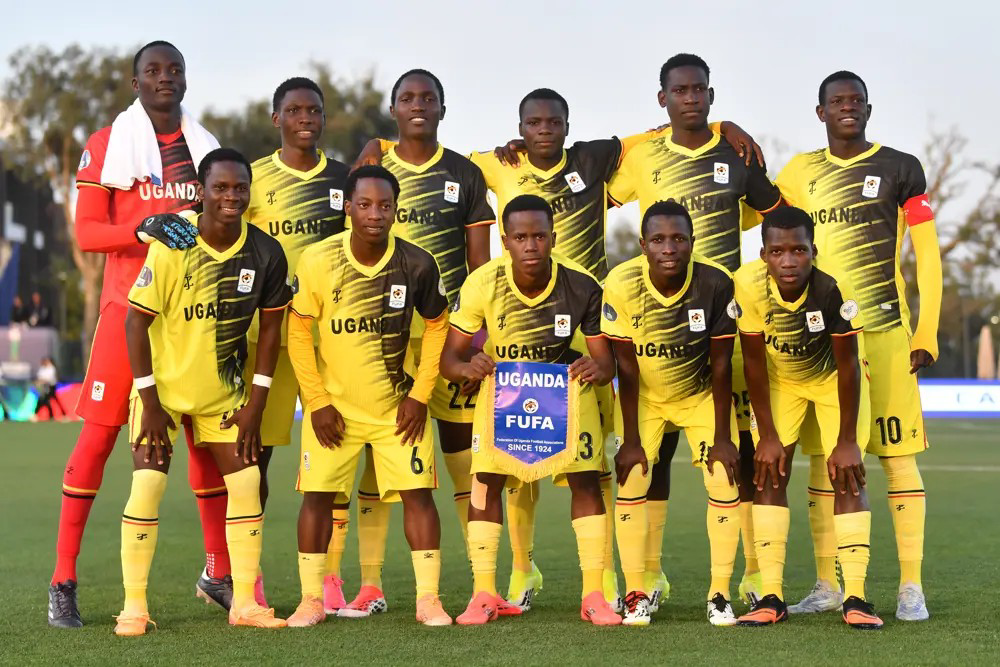
Côte d’Ivoire, Egypt, Cameroon and Algeria will also be seeking to make their experience count, while Uganda return for a second consecutive appearance after reaching the Round of 16 in 2025.
Debut Appearances For Tanzania and Mozambique
Two African nations, Tanzania and Mozambique, will be making their debuts at the competition.
Tanzania’s qualification is particularly significant after their impressive run to the final of the 2026 CAF U-17 AFCON, where they finished runners-up to Senegal.
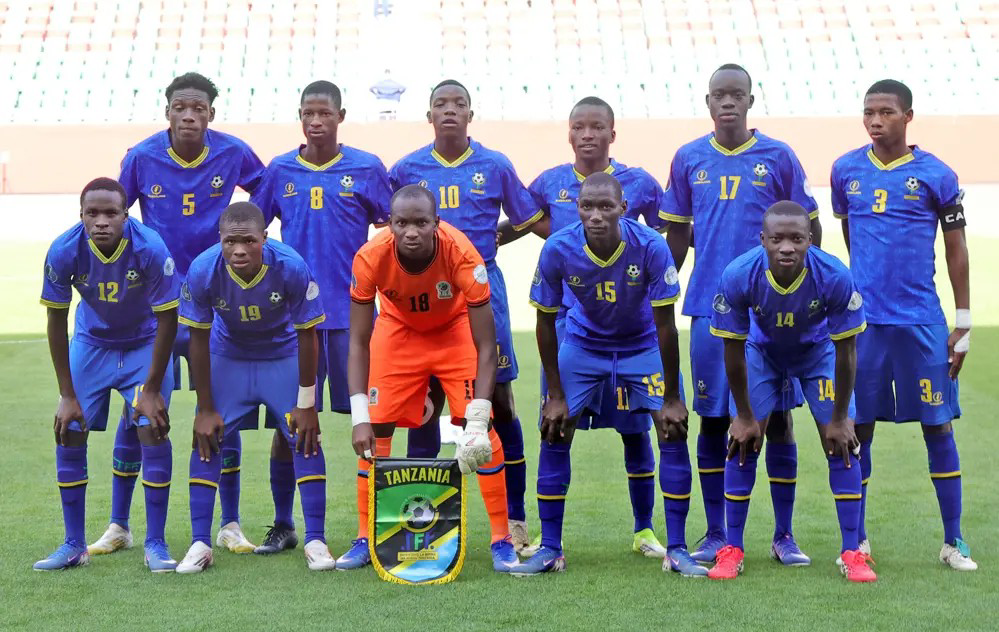
Mozambique, on the other hand, earned their maiden appearance through the play-offs and will be eager to announce themselves on the global stage.
48 Nations, 12 Groups and 104 Matches
The 2026 FIFA U-17 World Cup will be the second consecutive edition hosted by Qatar, which is scheduled to stage the competition annually from 2025 to 2029.
The tournament, running from November 19 to December 13, will feature 48 nations divided into 12 groups of four teams, with 104 matches scheduled throughout the competition.
The format will see the top two teams in each group automatically advance to the Round of 32, alongside the eight best third-placed teams.
From that stage, the competition will adopt a straight knockout format until the final, providing an expanded pathway for emerging football nations to compete for the ultimate prize.
All matches before the final will be played at the Aspire Zone complex in Doha, which will host up to eight matches daily during the group-stage and Round of 32 phases.
The final is scheduled for December 13 at the Ahmad bin Ali Stadium, where the next world champions will be crowned.
African Champions Carry a Proud Legacy
Despite the absence of Ghana and Nigeria, Africa will arrive in Qatar with an impressive history at the competition.
The continent has won the FIFA U-17 World Cup seven times, more than any other confederation, with Nigeria leading the individual nations’ standings with five titles.
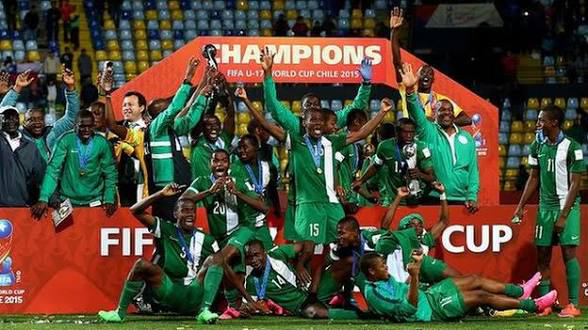
The Golden Eaglets first conquered the world in 1985, winning the inaugural edition in China before adding further championships in 1993, 2007, 2013 and 2015.
Ghana have also established themselves among the competition’s greatest teams, winning their first title in 1991 before repeating the achievement in 1995.
The Black Starlets also reached the final in 1993 and finished runners-up to Nigeria, underlining Ghana’s historic influence on the competition.

Nigeria’s five championships and Ghana’s two titles remain significant milestones in African youth football, with the continent’s other representatives now tasked with extending that remarkable legacy.
Tough Tests Await African Representatives
The African teams have been handed challenging group assignments, with several facing established youth football nations in the opening phase.
Egypt headline Group A alongside hosts Qatar, Panama and Greece, while Uganda will compete in Group B against South Korea, Ecuador and New Caledonia.
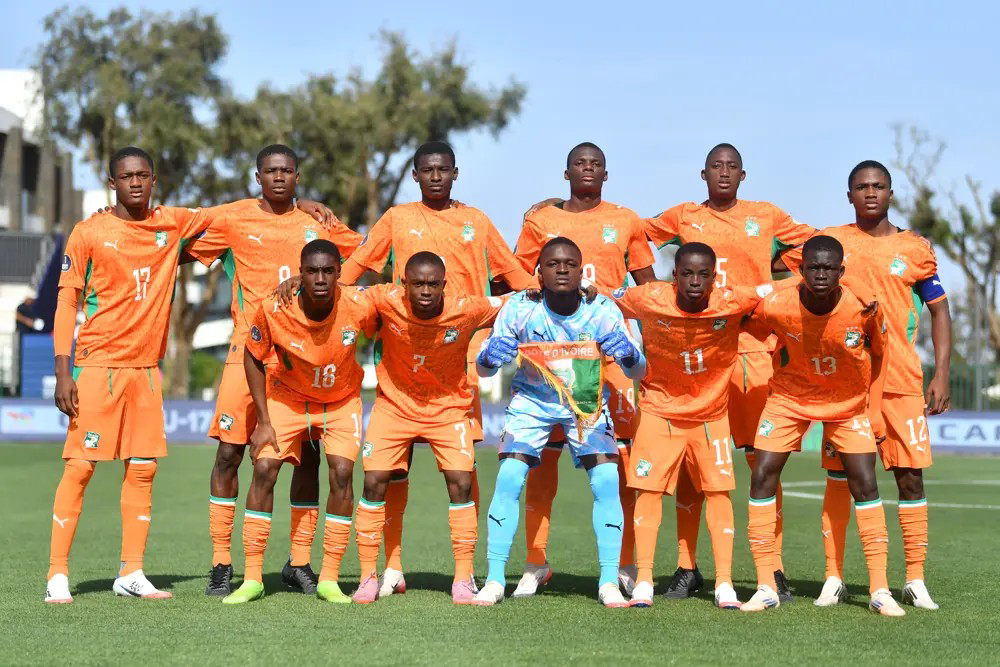
Mozambique have been drawn in Group C with Argentina, Australia and Denmark, while Côte d’Ivoire will face Italy, Jamaica and Uzbekistan in Group E.
African champions Senegal are in Group F alongside Croatia, Cuba and Tajikistan, while Mali will battle New Zealand, Belgium and Vietnam in Group G.
Morocco face Spain, China and Fiji in Group H, while Tanzania have been drawn against Brazil, the Republic of Ireland and Costa Rica in Group I.
Algeria will compete in Group J against the United States, Montenegro and Chile, with Cameroon completing Africa’s representation in Group K alongside Mexico, Romania and Venezuela.
With 10 nations representing the continent, Africa will be hoping to maintain its reputation as a powerhouse of youth football.
However, for Ghana and Nigeria, the tournament will once again serve as a reminder of their absence from a competition they have historically dominated.
The Black Starlets in particular will also miss the next edition in 2027, after failing to qualify for the 2027 AFCON which will also serve as the qualifiers for the mundial.
READ ALSO: Mahama Demands ECOWAS Action on Abidjan-Lagos Corridor to Boost Trade