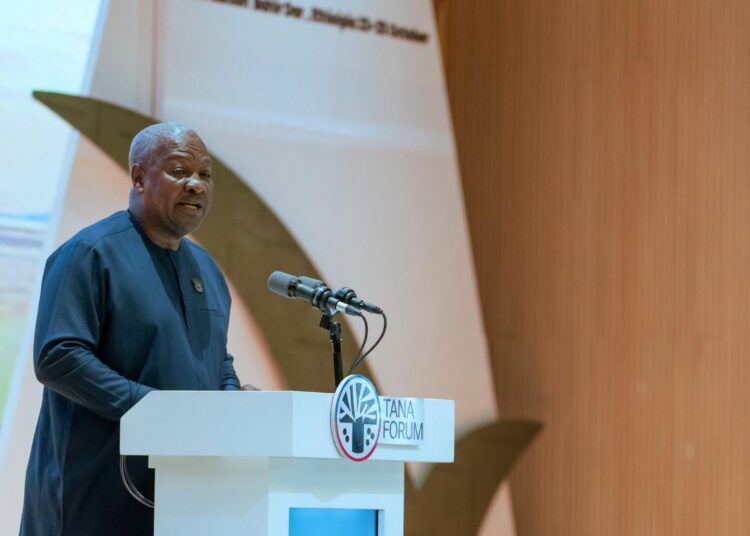
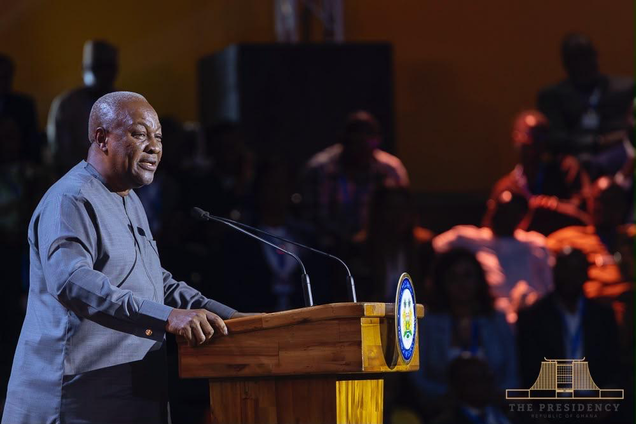
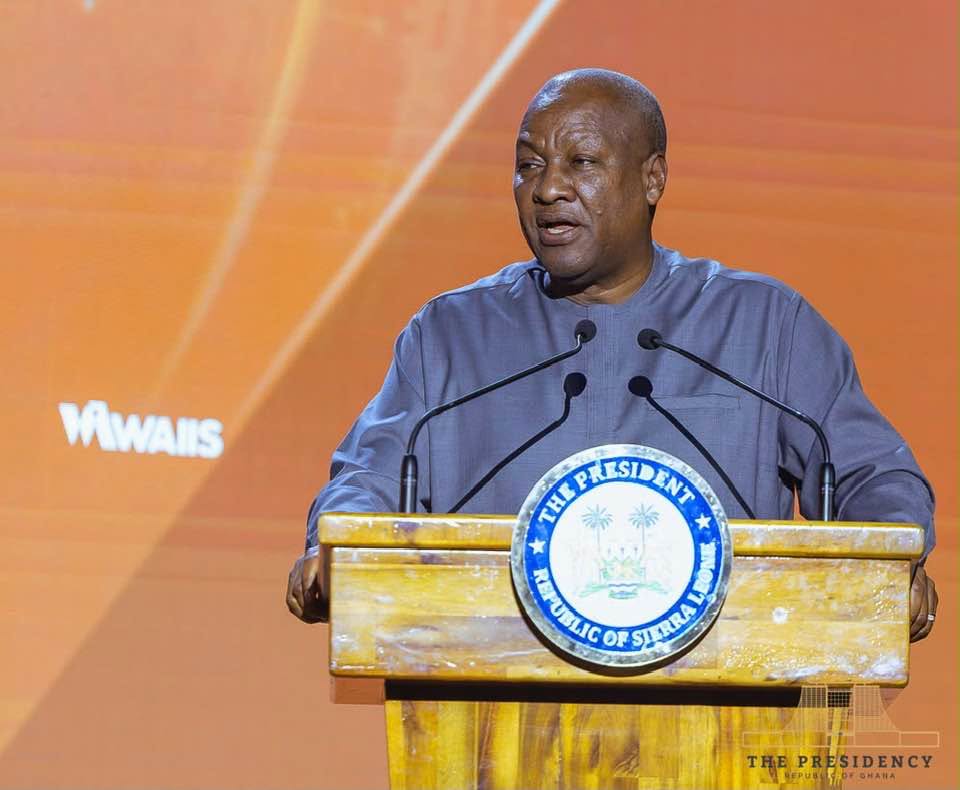
President John Dramani Mahama has urged West African leaders to accelerate the implementation of the long-delayed Abidjan-Lagos Corridor, describing the regional highway project as essential to improving cross-border trade and advancing economic integration across the continent.
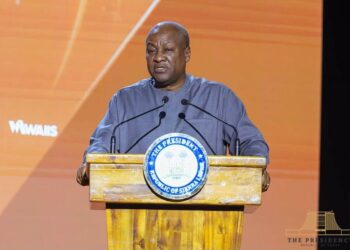
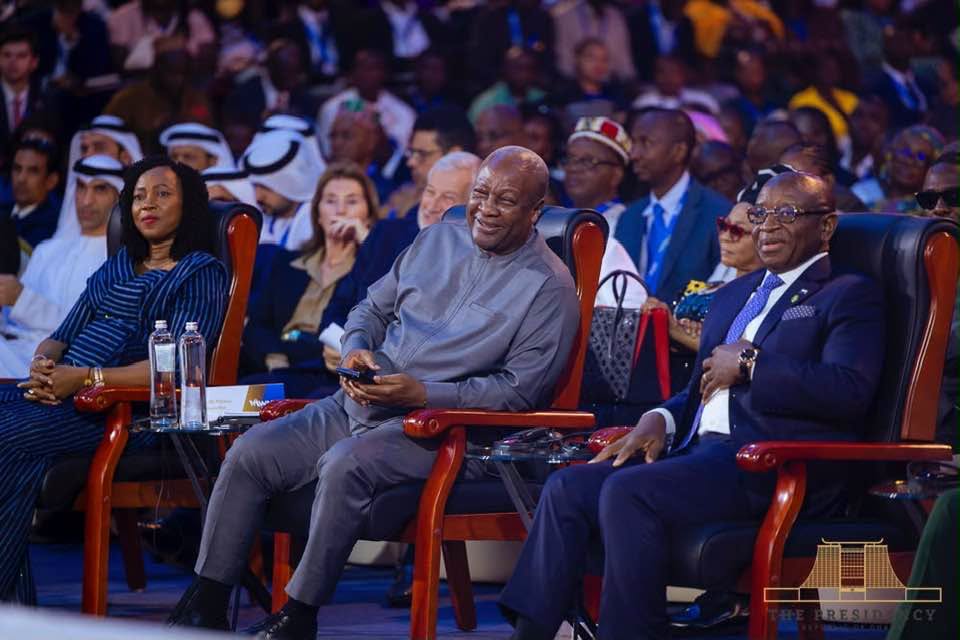
Speaking at the West Africa Integration and Investment Summit in Sierra Leone, he identified inadequate transport infrastructure and inefficient logistics systems as major obstacles preventing African countries from fully benefiting from the African Continental Free Trade Area (AfCFTA).
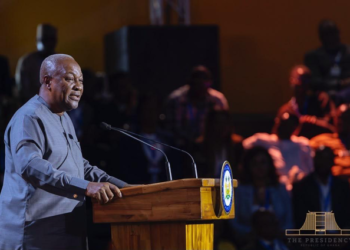
“That is why I say regional integration is still hanging in the air. We must move towards executing the concrete projects that will bring our countries together.”
President John Dramani Mahama
Mahama Identifies Logistics as Major Obstacle to AfCFTA
President Mahama argued that Africa’s ambition to deepen regional trade would remain difficult to achieve without substantial improvements in transportation networks and cross-border logistics.
He recalled that African countries signed the AfCFTA agreement with the objective of creating a unified continental market, but inadequate infrastructure continues to constrain the movement of goods between member states.
According to him, intra-African trade, which stood at approximately 11 per cent when the agreement was signed, has reportedly increased to about 15 per cent. However, he maintained that the progress remains insufficient compared with other economic regions.
He contrasted Africa’s performance with the European Union, where intra-regional trade accounts for approximately 50 per cent and approaches 60 per cent under some estimates.
The President identified the availability of seaports, railway networks and road infrastructure as critical determinants of the continent’s ability to facilitate commercial exchanges and strengthen regional supply chains.
“Do we have the ports? Do we have the railways? Do we have the roads?” he asked, drawing attention to the infrastructure deficiencies that continue to undermine Africa’s trade ambitions.
He maintained that signing continental trade agreements must be accompanied by practical investments in transport infrastructure to ensure businesses can move products efficiently across national borders.
Mahama Recalls Decades of Delays in Abidjan-Lagos Corridor
The President particularly highlighted the Abidjan-Lagos Corridor as an example of the prolonged delays in implementing major regional infrastructure projects. Reflecting on his political journey, he recalled that discussions surrounding the proposed corridor began around 1998 and 1999, when he served as a minister during his early years in politics.
He explained that the original vision also included subsequent regional transport connections, particularly the proposed Abidjan-Dakar highway, which would further strengthen connectivity across West Africa.
However, despite the passage of several decades and his subsequent service as Vice President and President, the Abidjan-Lagos project has yet to deliver the expected regional transport connection.
He argued that the prolonged delay illustrates the gap between regional political commitments and the practical execution of infrastructure projects necessary to connect African economies.
President Calls for Concrete Action on Regional Highway Development
President Mahama urged West African leaders to prioritise implementation rather than allow important regional infrastructure initiatives to remain at the planning and negotiation stages.
He maintained that completing the Abidjan-Lagos Corridor would establish a critical transport connection between five West African countries, facilitating the movement of goods, people and services across their economies.
According to him, completing the project would also allow regional governments to redirect attention towards other important transport connections that could further strengthen economic integration.
Recent developments indicate movement towards implementation. On November 3, 2026, ECOWAS announced that regional road ministers had endorsed the first sections of the Abidjan-Lagos highway for the construction phase, while emphasising the need to mobilise financing and secure rights of way.
However, the project has recorded institutional and preparatory developments in 2026. The African Development Bank and ECOWAS have advanced financing discussions for the proposed 1,028-kilometre six-lane highway, which will connect Abidjan, Accra, Lomé, Cotonou and Lagos.
The development provides an important step towards advancing the project, although the mobilisation of adequate financing and coordination among participating countries remain necessary.
Mahama Advocates Common Border Posts to Facilitate Trade
Beyond constructing highways, President Mahama called for reforms to border management procedures to reduce unnecessary restrictions affecting cross-border transportation and trade.
“One of the best ways to facilitate the exchange of goods is to establish highways with common border posts and eliminate unnecessary police and security barriers.”
President John Dramani Mahama
He maintained that such interventions fall within the responsibility of regional political leaders, who must take the necessary decisions and ensure their implementation. The President’s remarks reinforce the importance of combining physical infrastructure development with practical trade facilitation measures to achieve the objectives of the AfCFTA.
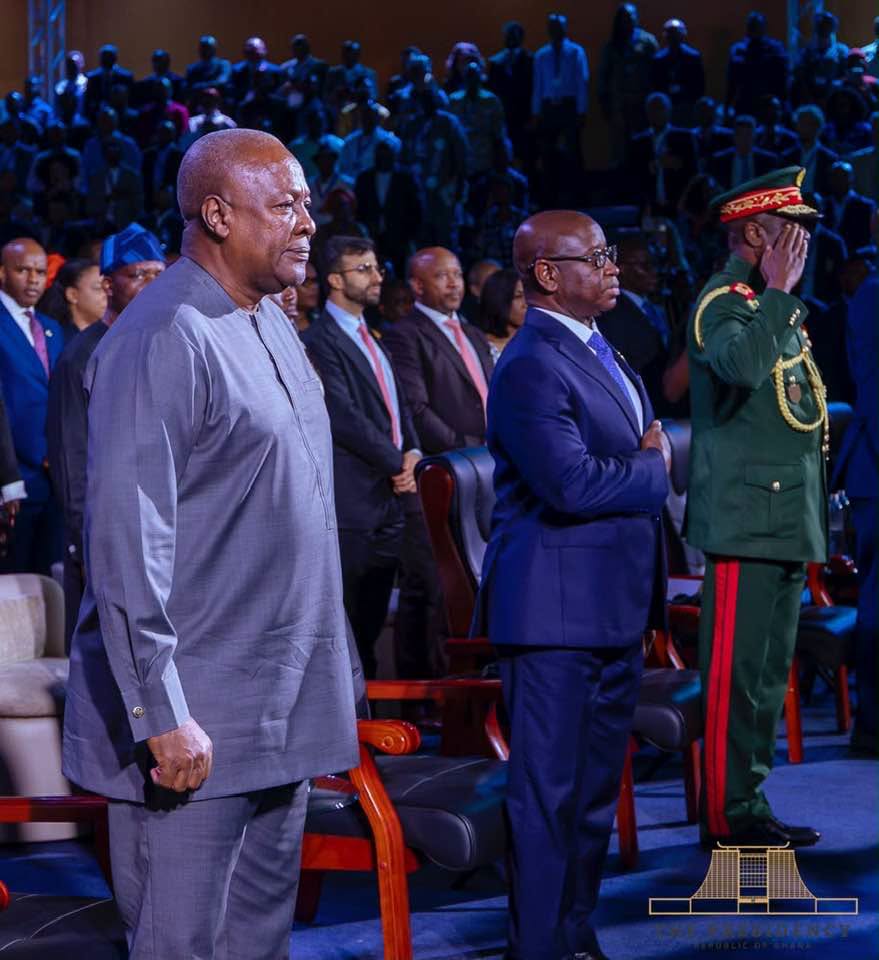
He expressed the need for West African governments to demonstrate sustained political commitment towards delivering the Abidjan-Lagos Corridor and other regional transport connections.
He maintained that Africa’s regional integration ambitions would require leaders to translate longstanding commitments into completed projects capable of improving connectivity, expanding trade and bringing tangible economic benefits to businesses and citizens across the continent.
READ ALSO: President Mahama Pushes Agricultural Value Addition Across West Africa