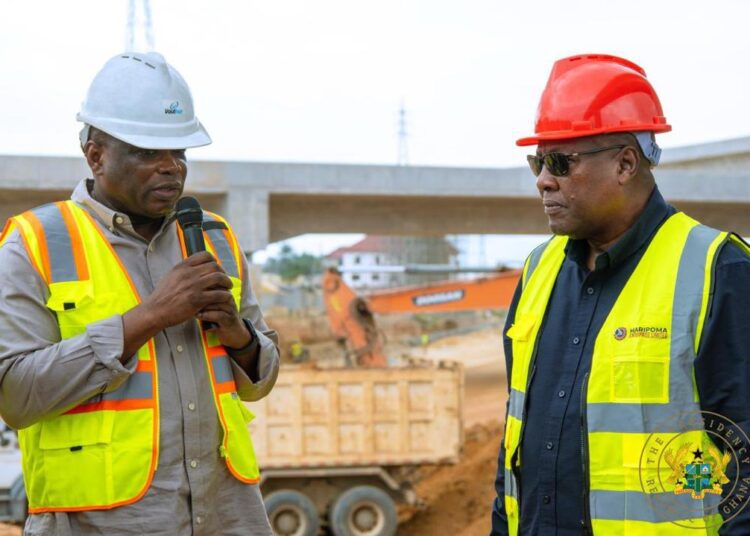
The 2027 Budget allocates GH¢28 billion to the Big Push Programme and GH¢11.3 billion to the Ministry of Roads and Highways, with the Government outlining further investment in the country’s road infrastructure.
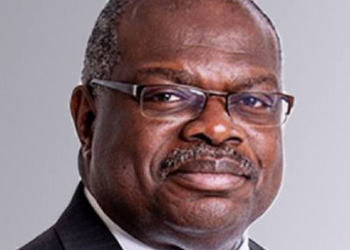
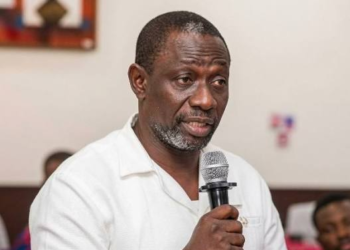
However, the Member of Parliament for Akim Swedru and Ranking Member of Parliament’s Roads and Transport Committee, Honourable Kennedy Nyarko Osei has cautioned that funding commitments must be matched by effective project supervision and timely payments.
In an interview assessing the road sector’s prospects under the 2027 Budget, the Ranking Member identified “inadequate engineering supervision and delays in releasing funds” as critical obstacles to quality construction.
He also questioned the feasibility of some proposed deadlines, noting that the nature of individual projects and the country’s rainy season could make certain completion targets difficult to meet. He observed that “contractors typically have about seven months of the year for active construction, while the remaining five months are affected by rainfall.”
“Money should be made available to contractors as and when they need it. Once a contractor completes the work and raises a certificate, payment should be made within the shortest possible time. A good contractor who receives prompt payment would undoubtedly be motivated to carry out the work and complete it.”
Honourable Kennedy Nyarko Osei
Honourable Nyarko explained that the Ministry of Roads and Highways requires sufficient “engineers and technical personnel to monitor projects across the country.” He observed that assigning one engineer to supervise numerous construction sites could undermine effective monitoring and make it difficult to ensure that contractors comply with approved specifications and contractual obligations.
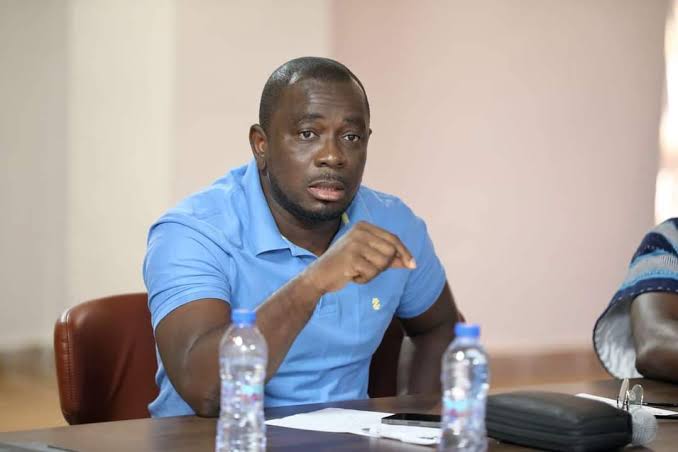
Beyond monitoring, the Member of Parliament for Akim Swedru constituency proposed deploying more engineers to construction sites and equipping them with the resources required to conduct regular inspections. Such supervision, he indicated, would help ensure that contractors deliver quality work in accordance with the scope of their contracts.
Assessing the Government’s timelines, he considered some targets achievable but cautioned against treating all projects as though they require the same construction period. Rehabilitation and bituminous surfacing could be completed relatively quickly, whereas new roads involving drainage systems and extensive concrete and civil works demand considerably more time.
Consequently, he questioned whether several projects scheduled for completion by the end of 2027 could realistically meet those deadlines. From an engineering perspective, he anticipated that some would require until 2028, depending on the outstanding work and the pace of funding releases.
MP Questions GH¢41.1bn Big Push Project Releases
Beyond the question of road construction timelines, the Ranking Member of Parliament’s Roads and Transport Committee, Honourable Kennedy Nyarko Osei challenged the Government to account for the substantial funds released under the Big Push Programme, questioning whether the expenditure corresponds with the progress recorded on construction sites.
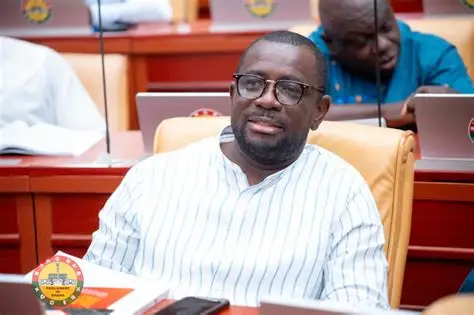
He argues that although the administration has released GH¢41.1 billion across the 2025 and 2026 budget cycles, the scale of work completed does not appear commensurate with the reported funding.
“Government has actually awarded a total of 54 Big Push projects. In addition, there are ongoing Big Push projects that the government inherited, numbering about 23. So, if you put them together, from January to October alone, the government has released a little over GH¢27 billion for the Big Push projects.”
Honourable Kennedy Nyarko Osei
Honourable Nyarko indicated that the Government released GH¢13.7 billion for the programme in 2025. By October 2026, he estimated that releases for the current year exceeded GH¢27 billion, bringing the cumulative amount to GH¢41.1 billion, representing approximately 61 percent of the total project value.
On The Progress of The Big Push Projects
However, he questioned whether the expenditure has translated into corresponding physical progress. He urged the public to scrutinise the relationship between the money released and the actual work undertaken, insisting that infrastructure spending involved taxpayers’ resources and therefore required sustained public interest and parliamentary oversight.
The Ranking Member also drew attention to approximately US$3 billion reportedly held in an account at the Bank of Ghana. He contends that the amount is connected to funds released for the Big Push, including proceeds from the Annual Budget Funding Amount and mineral royalties, which he believes has not fully translated into completed work on the ground.

He disputed the suggestion that the funds constitute a separate allocation exclusively for expressway construction. Referring to Appendices 2C and 3C of the budget documents, he explained that the relevant revenue sources are grouped under earmarked funds for the Big Push, including Government of Ghana and ABFA allocations.
Additionally, the MP cautioned that directing portions of oil revenues and mineral royalties towards separate infrastructure commitments could place pressure on the financing of other projects under the programme. With the 54 newly awarded projects and 23 inherited projects collectively valued at GH¢67.74 billion, he questioned how the Government intends to finance the entire portfolio while meeting additional commitments.
READ ALSO: Rent Control Seeks Prosecutorial Powers to Strengthen Law Enforcement