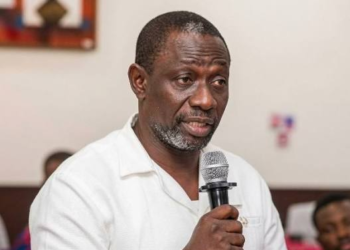
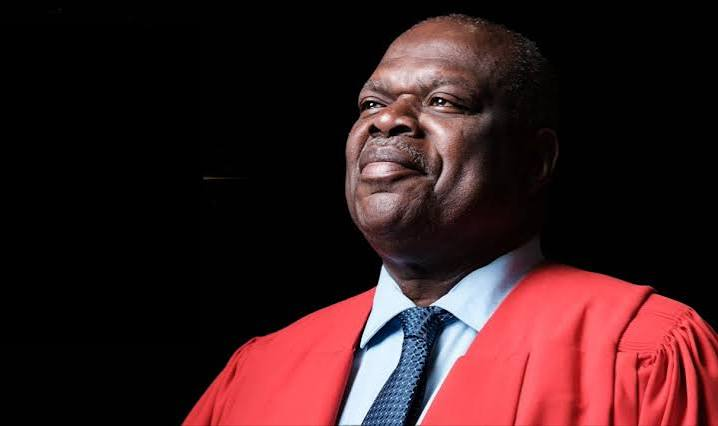
Emeritus Professor Ernest Aryeetey, Board Chair of the African Economic Research Consortium (AERC), Nairobi, and former Vice-Chancellor of the University of Ghana, has called for a rethink of Ghana’s education system, arguing that it has not evolved to support the country’s post-independence ambitions for industrialisation, modernisation and economic growth.
Speaking on the future of education in Ghana and its alignment with national development goals, he urged policymakers to move beyond expanding access and design programmes around national skills needs, while considering the employment prospects of graduates.
“We simply expanded the system. We believed, quite rightly, that educating as many people as possible was good for us. I agree with that entirely. However, what we could have done was go a step further and ask ourselves what type of education would be good for us.”
Emeritus Professor Ernest Aryeetey, Board Chair of the African Economic Research Consortium
Professor Aryeetey traced formal education in Ghana to 1592, when missions operating around coastal forts and castles prepared people to help spread the gospel.
He noted that the Gold Coast had 139 schools by 1881, all following arrangements prescribed by churches. That year, government began introducing a structured approach. In 1922, colonial authorities set education targets, including the establishment of Achimota School and teacher training in every province.
The initiatives were partly intended to reduce public administration costs by training Gold Coasters to serve in the civil service and other institutions, instead of recruiting officials from Oxford and Cambridge. The school system expanded between 1922 and 1938 before growth slowed, partly because of the war.
Post-independence education missed industrialisation agenda
Professor Aryeetey argued that Ghana failed to reconsider the inherited system after independence, despite pursuing ambitions different from the colonial administration’s priorities.
The country wanted to industrialise, modernise and accelerate development but did not identify the human capital needed. Instead, it expanded access while retaining much of the existing structure.
He acknowledged the value of educating more people but questioned whether the system prepared learners for the country’s economic ambitions.
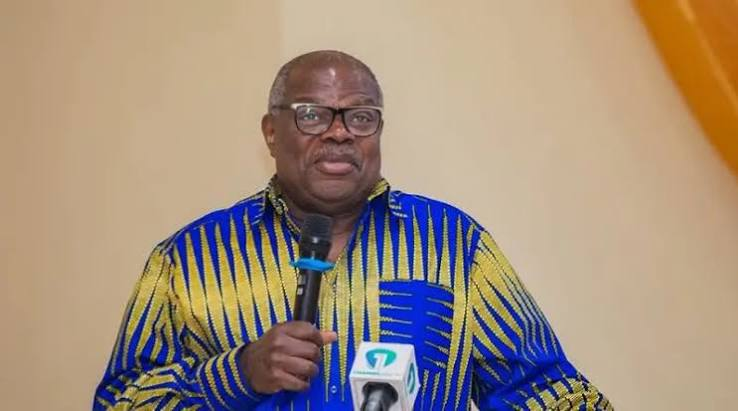
“We wanted to industrialise, but our education system was not designed to prepare us for industrialisation,”
Emeritus Professor Ernest Aryeetey, Board Chair of the African Economic Research Consortium
He contrasted Ghana’s approach with countries such as Malaysia, Korea and Singapore, which adapted education to changing national priorities rather than carrying inherited models into a new era.
Schools urged to specialise in national priority areas
Asked where Ghana could have made changes, Professor Aryeetey proposed allowing schools to build on their strengths and specialise in fields important to national development.
He cited Ghana Secondary Technical School (GSTS) as an early attempt to establish a science, technology, engineering and mathematics (STEM) pathway at secondary level.
He argued that policymakers should plan for students’ destinations after completing school, rather than focus only on their years of study. Specialisation, he suggested, should connect institutional training to economic needs and available opportunities.
Graduate unemployment exposes gaps in planning
Professor Aryeetey warned that the disconnect between education and employment had become visible, even in professions once considered secure.
He observed that a pharmacy graduate remaining unemployed for two years would have been unthinkable a decade ago. However, pharmacy and engineering graduates now struggle to find work because there are not enough pharmaceutical companies and other employers to absorb them in the public and private sectors.
He noted that pharmacists were left to operate pharmacy shops, which did not fully reflect the purpose of investing in their training.
“As we think about introducing new programmes at our universities, we must ask ourselves what graduates will do when they finish,”
Emeritus Professor Ernest Aryeetey, Board Chair of the African Economic Research Consortium
He cautioned that graduates could not all work in banks or shops, insisting that universities must anticipate labour-market demand before introducing programmes or establishing new institutions.
Government must lead education reform
Professor Aryeetey agreed that Ghana must rethink how it prepares professionals to contribute to development, particularly when the private sector cannot absorb enough graduates.
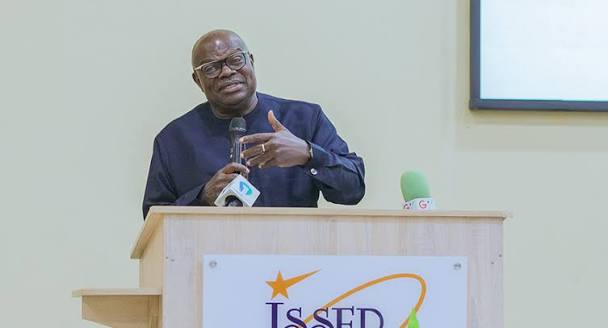
He noted that engineers, planners and other professionals would shape the country’s ability to improve roads, address housing shortages and manage urban growth. These outcomes, he indicated, depended partly on the relevance and quality of education.
“Ultimately, it is the responsibility of government to lead,”
Emeritus Professor Ernest Aryeetey, Board Chair of the African Economic Research Consortium
He maintained that education planning must connect school specialisation, university programmes and workforce preparation for Ghana’s development priorities, rather than treat increased enrolment as a measure of progress.
READ MORE: Why Buy a Private Jet When JUSAG Members Remain Unpaid – Abu Jinapor