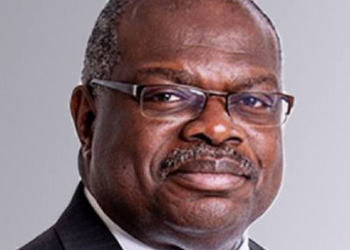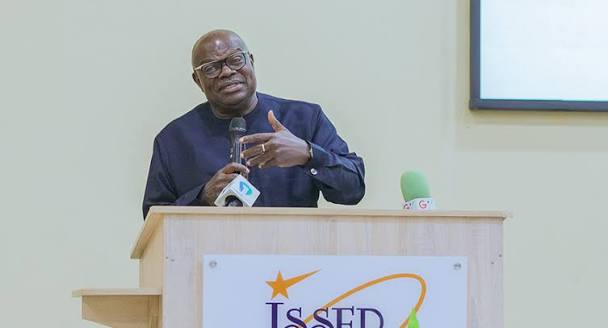
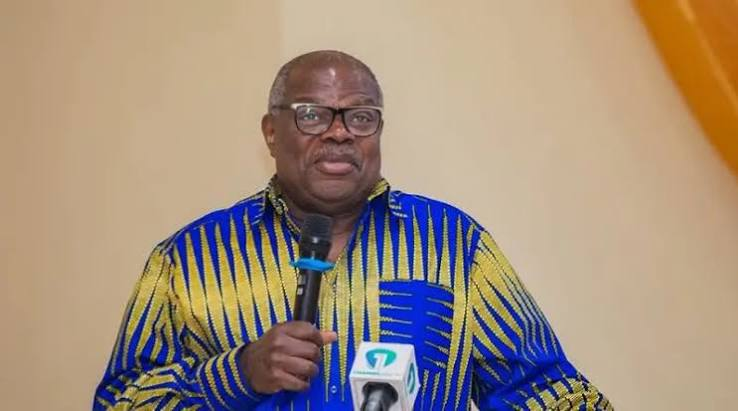
Emeritus Professor Ernest Aryeetey, Board Chair of the African Economic Research Consortium (AERC), Nairobi, and former Vice-Chancellor of the University of Ghana, has called for greater autonomy for schools and universities, arguing that excessive government control and weak stakeholder participation are undermining efforts to align education with Ghana’s national development goals.
Speaking on the future of education in Ghana, he maintained that government must provide direction while involving parents, industry, school administrators and education institutions in shaping reforms. He also criticised the politicisation of universities and the absence of a coherent, long-term national education policy.
“Government needs to lead that process, but it should see itself as a coordinator of the process and allow others to do the real legwork.”
Emeritus Professor Ernest Aryeetey, Board Chair of the African Economic Research Consortium
Professor Aryeetey argued that education reforms could not succeed without meaningful input from the people responsible for running schools.
He pointed to the governing boards of secondary schools, which are expected to ensure that government policies and standards are observed, but have been weakened by governance arrangements that restrict their authority.
Centralized control limits school management
He explained that governing boards should maintain standards and ensure that policies are properly applied. However, current arrangements had weakened their ability to respond when schools experienced difficulties. Meaningful decentralisation, he argued, would give institutions room to act while keeping them accountable to national standards.
“Today, most of that decision-making comes from the centre, from the Ghana Education Service. Schools are basically handicapped and unable to do what needs to be done,”
Emeritus Professor Ernest Aryeetey, Board Chair of the African Economic Research Consortium
Professor Aryeetey extended the concern to tertiary education, recalling the proposed Public Universities Bill, which he argued sought to extend to universities the level of control exercised over secondary schools.
Professor Aryeetey stressed that government should not withdraw from education. It should set the direction, establish expectations and provide support, while allowing institutions to manage their responsibilities more effectively. Treating central supervision as school management, he warned, leaves schools unable to respond adequately to local needs.
Funding pressures
The former Vice-Chancellor questioned whether schools and universities had challenged the constraints publicly, arguing that financial dependence on government made open criticism difficult.
“I would be surprised if the schools spoke loudly enough,” he stated, explaining that government-funded institutions and their heads risked losing their positions if they openly challenged official decisions.
Although groups such as the University Teachers Association of Ghana (UTAG) and Vice Chancellors Ghana sometimes spoke on education matters, he criticised their delayed response to the Public Universities Bill.
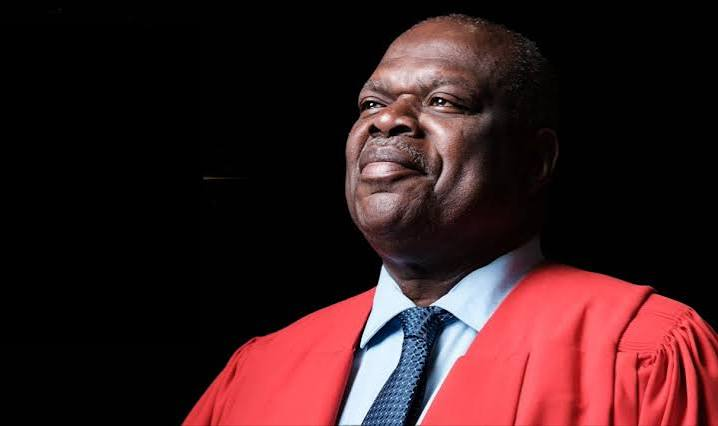
On university advocacy, he noted that UTAG, GAWU and Vice Chancellors Ghana had occasionally spoken on important matters, but criticised their delayed engagement over the Public Universities Bill.
He described it as a missed opportunity for institutions to defend their independence. Professor Aryeetey linked the reluctance to speak out to the growing politicisation of public institutions, including universities.
Transparency and public support
He cited the Free Compulsory Universal Basic Education (FCUBE) programme, insisting that its objective was difficult to oppose but required transparent implementation to attract public confidence.
“When you fail to implement it transparently, or when the implementation appears selective, you do not get public buy-in,”
Emeritus Professor Ernest Aryeetey, Board Chair of the African Economic Research Consortium
He also revisited the transition from the Form Four system to the Junior Secondary School (JSS) system, explaining that the reform brought together competing priorities that were never properly reconciled.
According to Professor Aryeetey, the competing arguments were not resolved, resulting in a system that placed excessive demands on students at senior secondary level. He described the early years of implementation as chaotic and said the experience generated discontent and uncertainty about the direction of education.
He further argued that reforms must be openly explained and debated before implementation. Without broad participation, even policies with widely accepted objectives risk appearing to serve particular interests. Public confidence, he maintained, depends on how authorities design and implement a reform, not merely its stated purpose.
The JSS transition illustrated the consequences of failing to reconcile competing objectives before changing the structure of schooling. Its early difficulties reflected inadequate preparation and insufficient resources, rather than a settled national agreement on education’s future direction.
Coherent national Education policy
He argued that reforms were too often conceived at workshops or seminars without being connected to a broader national vision. Consequently, individual changes lacked the planning, resources and public support required for effective implementation.
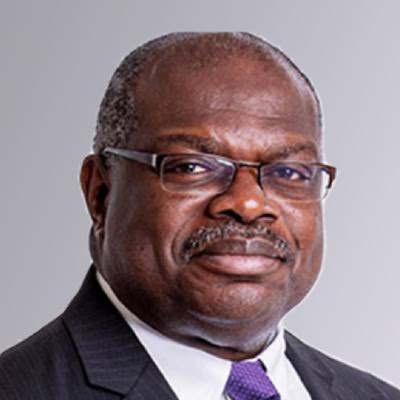
Asked whether Ghana had a consistent, long-term education vision that successive governments could build on, Professor Aryeetey answered in the negative.
“I think we have talked about it, but we have never really gotten around to having a national educational planning policy,”
Emeritus Professor Ernest Aryeetey, Board Chair of the African Economic Research Consortium
His remarks underscored the need for government to coordinate education planning, restore institutional autonomy and build consensus around reforms. He began referring to Ghana Vision 2020 in discussing earlier planning efforts, but the discussion provided no further details on that initiative.
READ MORE: Prof. Aryeetey Questions Ghana’s Education System’s Alignment with National Development Goals