United Kingdom’s annual inflation rate has continued its upward trend, rising to 3.6% in October 2026 and marking its fourth consecutive monthly increase as higher transport and household energy costs place pressure on consumers.
The latest figures from the Office for National Statistics (ONS) show that the Consumer Prices Index (CPI) increased from 3.5% in September to 3.6% in October, while the Consumer Prices Index including owner occupiers’ housing costs (CPIH) rose from 3.6% to 3.7% over the same period.
On a monthly basis, both measures increased by 0.5% in October, compared with 0.4% in the corresponding month of 2025.
ONS Chief Economist Grant Fitzner identified fuel prices as a major factor behind the latest increase, explaining that they were “once again a major contributor” to the rise in annual inflation.
“Annual costs of both raw materials and goods leaving factories continue to climb, driven by higher crude oil and petrol prices, respectively.”
Fuel Prices Drive Inflation Higher
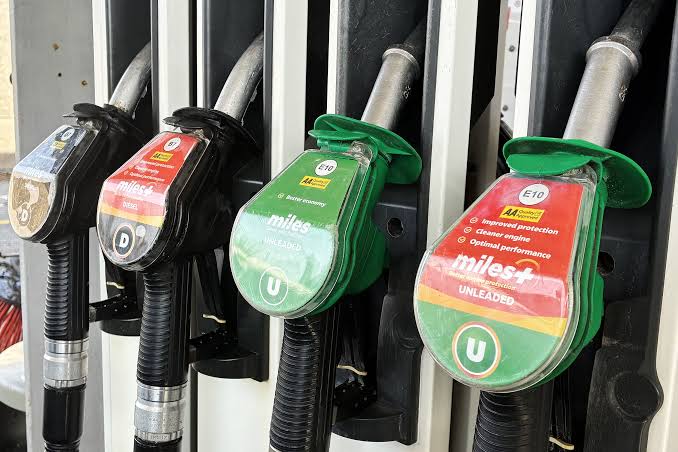
The transport division recorded an annual price increase of 7.5% in October, up from 6.6% in September, with petrol and diesel costs accounting for the largest upward movement.
Petrol prices increased by 5.2 pence per litre between September and October, compared with a 0.7 pence rise over the same period in 2025. The average price reached 174.7 pence per litre, its highest level since August 2022.
Diesel recorded an even sharper increase, rising by 7.0 pence per litre during the month, compared with 1.2 pence a year earlier. Its average price reached 199.5 pence per litre, the highest since the ONS began keeping records in January 1996.
Consequently, motor fuel prices increased by 33.2% in the 12 months to October, compared with 29.8% in September. This represents the largest annual increase since July 2022.
Other transport-related costs also recorded upward movements, including roadside recovery and rail services, while airfares increased by 1.8% between September and October.
The increase in energy costs also contributed to household inflation. The October adjustment to Ofgem’s energy price cap raised the estimated annual bill for an average household paying by direct debit to £1,935, an increase of £73.
The adjustment contributed to a 6.3% rise in gas prices during the month, although electricity prices fell by 0.8%, partly reflecting the government’s decision to reduce VAT on domestic electricity from 5% to zero from October 1.
Tobacco Duty Adds to Household Costs
Also, inflationary pressure emerged from alcohol and tobacco, where prices increased by 4.5% in the year to October, compared with 2.5% in September.
The division recorded a monthly price increase of 2.2%, substantially higher than the 0.3% rise recorded in October 2025.
Tobacco prices were a major contributor to the acceleration, increasing by 5.2% between September and October, compared with a 0.1% decline during the same period last year.
The movement was partly influenced by the timing of an increase in tobacco duty, which took effect on October 1, 2026. In 2025, the corresponding duty increase did not take effect until November 26, creating a different pattern in the annual comparison.
Recreation and culture also recorded a higher annual inflation rate, rising from 2.3% in September to 2.7% in October. Prices increased by 0.5% during the month, with upward contributions from action cameras, laptops, water sports equipment, cat food, computer software and non-fiction paperbacks.
Meanwhile, the increase in inflation has attracted criticism from opposition figures, with Shadow Chancellor Andrew Griffith attributing the latest rise to higher energy costs and Labour’s tax and employment policies.
In a social media post, the Shadow Chancellor criticised the government’s economic decisions, arguing that households were bearing the consequences of rising costs.
On the other hand, Chief Secretary to the Treasury Emma Reynolds attributed global cost pressures partly to the conflict in the Middle East and Russia’s invasion of Ukraine.
“The Household Energy Payment, announced in our Budget, is providing £100 directly into 20 million bank accounts in January which will help to give families breathing space now. The Budget also started the long-term action needed to get energy costs down for good, including an end to levies on household bills, scrapping standing charges and ensuring Britain is better protected from global shocks in the future.”
Emma Reynolds
Food Inflation Eases Despite Wider Price Pressures
Despite the increase in the overall inflation rate, food and non-alcoholic beverage prices recorded a slower annual rise, offering some relief to consumers.
The category’s annual inflation rate fell from 1.3% in September to 0.9% in October, its lowest level since September 2021. Food inflation also eased from 1.2% to 0.8% over the same period.
On a monthly basis, food and non-alcoholic beverage prices increased by 0.2%, compared with a 0.5% rise in October 2025.
The ONS attributed part of the movement to a 2.9% decline in chocolate prices, contrasting with a 0.4% increase during the corresponding period last year. Lower cocoa prices compared with their 2024 levels and a higher proportion of discounted products may have contributed to the reduction.
Restaurants and hotels also provided some offsetting relief, recording an annual inflation rate of 3.4% in October, down from 3.8% in September. Prices in the category fell by 0.4% during the month, largely reflecting slower increases in restaurants and cafes and lower hotel prices.
Meanwhile, core CPI inflation, which excludes energy, food, alcohol and tobacco, remained relatively stable at 2.8% in October. Core CPIH stood at 3.1%, also little changed from the previous month.
READ ALSO: Mahama Touts GoldBod Success, Urges Sierra Leone to Derive Maximum Resource Benefit