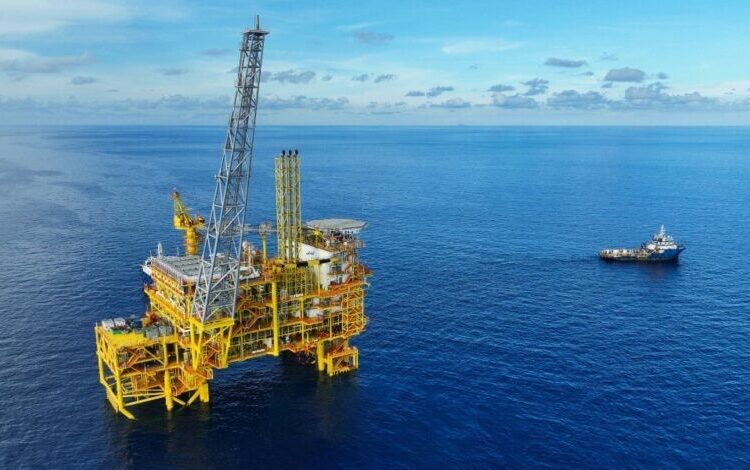
The controversial Jackdaw gas field in the North Sea has begun producing gas, weeks after the UK government approved the project.
Adura, the company responsible for developing and operating Jackdaw, confirmed that gas had started flowing from its production platform, marking the beginning of operations at the offshore site near Aberdeen.
The company expects the field to supply gas to homes and businesses across Britain, eventually producing enough to heat the equivalent of approximately 1.4 million homes as production reaches its peak in the coming months.
Welcoming the development, Energy Secretary, Miatta Fahnbulleh, described the start of production as a boost to the country’s energy security.
“Last month, I gave Jackdaw the green light and today its gas will start flowing into Britain, thanks to the hard work of the skilled North Sea workers.
“It means homegrown gas from this project will help to heat millions of British homes and businesses this winter and beyond, in a boost for our energy security.”
Miatta Fahnbulleh
She noted that domestic production would help minimise the country’s dependence on imported gas with higher emissions as the government continues its transition towards renewable energy and nuclear power.
Adura has similarly defended the project as an important contribution to Britain’s energy security and economic stability.
According to Claire Mueller, Jackdaw Project Director at Adura, “Jackdaw also demonstrates what can be achieved when Britain makes pragmatic, evidence-led decisions about the energy it needs, while properly accounting for our climate responsibilities.”
“It is a positive step towards restoring confidence in the North Sea and among the skilled people and businesses who have built this industry over decades.”
Claire Mueller
MPs Mobilise Against Rosebank Approval
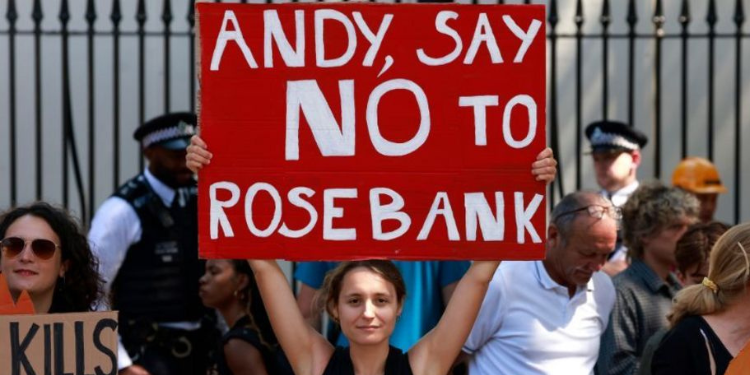
While Jackdaw has moved into production, the government is facing mounting political pressure over Rosebank, Britain’s largest remaining untapped oil field, located approximately 80 miles north-west of the Shetland Islands.
According to a recent report, some Members of Parliament have privately signed a letter opposing the project’s approval, with the group reportedly preparing to challenge the government if it grants a licence for further development.
The MPs reportedly believe that approving Rosebank would undermine Britain’s international reputation on climate change without delivering meaningful reductions in household energy bills.
Pressure to approve Rosebank has also increased following the government’s decision on Jackdaw. Neil McCulloch, Adura’s Chief Executive, has indicated that approval of the oil field should follow the green light given to the gas development.
However, the government is yet to announce its decision, leaving the project at the centre of an increasingly contentious debate within the Labour government.
Environmental Groups Warn Against Further Drilling
Moreover, Environmental campaigners have strongly opposed the prospect of Rosebank receiving approval, arguing that further oil and gas development would conflict with Britain’s climate commitments.
Friends of the Earth Scotland’s Head of Campaigns, Caroline Rance, indicated that Jackdaw should mark the end of new oil and gas developments in the UK.
“Rosebank and any other new projects must be firmly rejected by the UK government. Oil and gas cannot be made compatible with our climate commitments.”
Caroline Rance
Ami McCarthy, Head of Politics at Greenpeace UK, also warned that approving Rosebank would have substantially greater environmental consequences.
She explained that the project “would detonate an even bigger carbon bomb, releasing as much carbon as 56 coal plants operating for a year.”
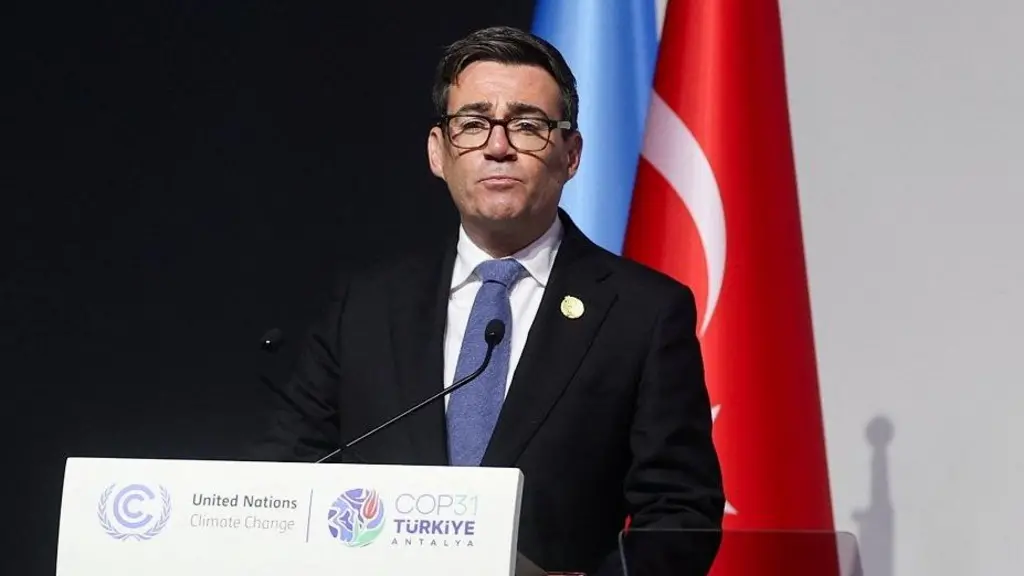
The dispute comes as Burnham faces pressure to demonstrate that his government’s energy decisions remain consistent with its climate objectives.
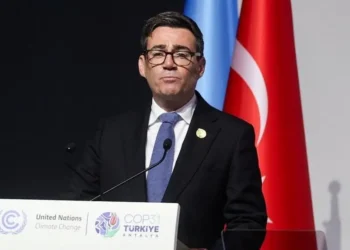
Addressing the COP31 Climate Summit in Turkey last week, the Prime Minister reaffirmed Britain’s commitment to achieving net-zero emissions by 2050.
According to the Prime Minister, “The climate crisis is not a distant threat; it is upon us all now, devastating lives and livelihoods everywhere.”
He also linked rising fuel prices and gas bills to global dependence on fossil fuels, pointing to conflicts across two continents as further evidence of the vulnerability of energy markets.
With production now underway at Jackdaw and the Rosebank decision yet to be made, the government must balance domestic energy security and economic interests with its climate commitments, amid divisions within the Labour-led government.
READ ALSO: 2027 Budget: Analyst Identifies Four Priorities For Ghana’s Economic Transformation