

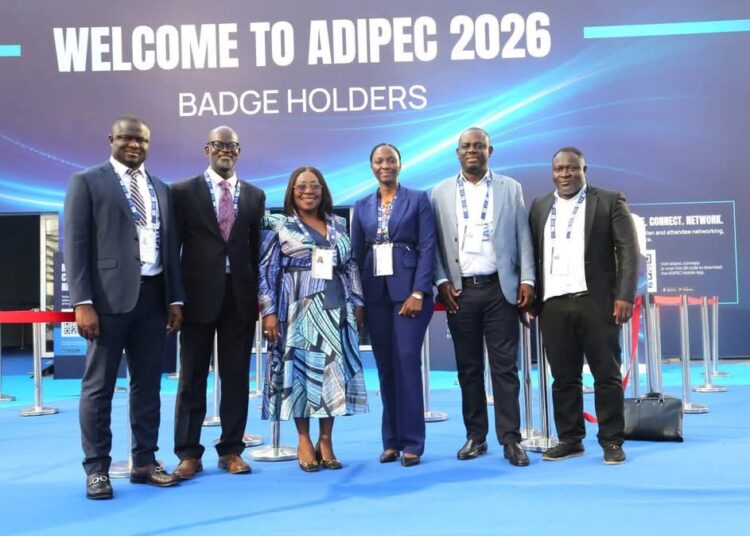
Ghana’s natural gas strategy must prioritise domestic production and utilisation, while using liquefied natural gas (LNG) imports to address supply shortfalls and balance demand, Chief Executive Officer of Ghana National Gas Limited, Judith Adjobah Blay, has said.
Her position at the 2026 Abu Dhabi International Petroleum Exhibition and Conference (ADIPEC) places the focus on a central challenge facing Ghana’s energy sector: how to secure reliable gas supplies for electricity generation and industrial activity without becoming excessively exposed to external supply disruptions and international market volatility.
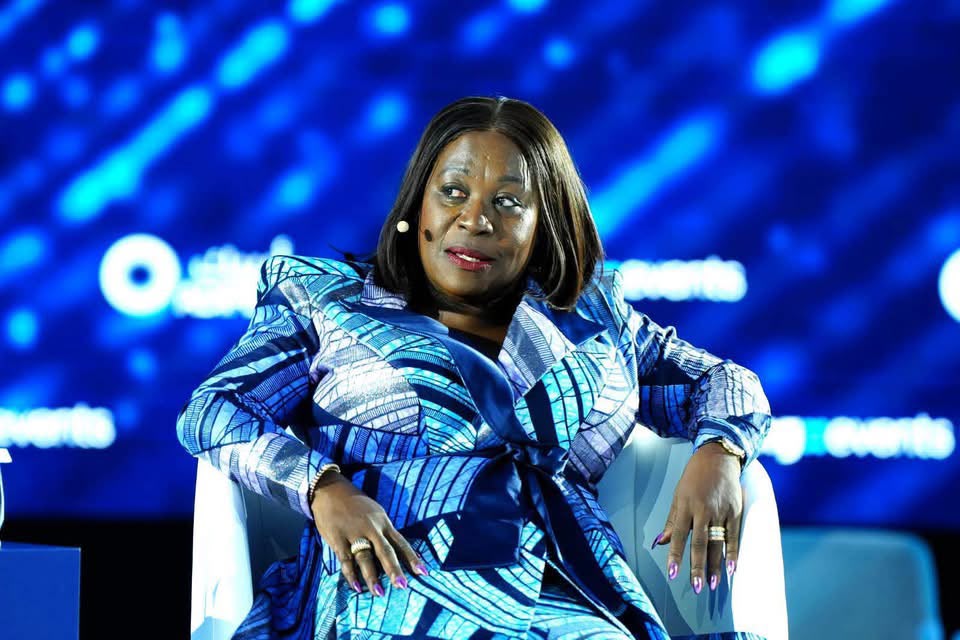
Speaking during a session on the long-term opportunities for natural gas and LNG, Blay argued that developing economies must first maximise the value of their indigenous gas resources before relying on imported supplies as a major component of their energy mix.
“For developing economies, the priority should be to maximise domestic gas production and utilisation, using LNG primarily to address supply shortfalls, meet peak demand and provide flexibility in balancing supply and demand,”
Chief Executive Officer of Ghana National Gas Limited, Judith Adjobah Blay
The position offers a useful distinction between using LNG as a strategic supply buffer and allowing imported gas to displace investment in domestic production.
For Ghana, where natural gas supports a significant share of thermal electricity generation and an expanding industrial base, the distinction has implications for energy security, foreign exchange requirements and the cost of power generation.
Domestic Supply Must Keep Pace With Demand
Ghana currently obtains natural gas from its offshore producing fields, including Jubilee, TEN and Sankofa-Gye Nyame, while also relying on supplies through the West African Gas Pipeline.
The gas is processed and transported through infrastructure operated by Ghana Gas before reaching power producers and industrial consumers.
The challenge is that domestic production, processing capacity and transportation infrastructure must develop alongside demand.
Any mismatch can affect electricity generation, industrial operations and the country’s ability to reduce reliance on more expensive liquid fuels.
The Energy Commission’s 2026 Energy Outlook identifies growing industrial demand for natural gas, particularly for process heating in ceramic manufacturing and refining.
It projects industrial gas consumption at approximately 13,066 million standard cubic feet in 2026, with demand expected to stabilise at around 36 million standard cubic feet per day from the second quarter.
This emerging demand makes the reliability of domestic gas supply increasingly important.
Blay’s domestic-first position therefore raises a broader investment question: whether Ghana can develop sufficient production and infrastructure to support the power and industrial sectors while maintaining the flexibility to respond to temporary supply constraints.
The strategy does not exclude LNG. Rather, it places imported gas within a supporting role, allowing it to address periods when indigenous production cannot meet demand.
That distinction matters because LNG imports can expose Ghana to international commodity prices, shipping costs and foreign exchange movements.
A diversified supply portfolio can improve reliability, but the financial implications of imported gas must also be considered.
Regional Pipelines Could Expand Ghana’s Gas Options
Beyond domestic production, Blay also highlighted the importance of regional infrastructure in allowing West African countries to trade natural gas more effectively.
During another ADIPEC engagement on Ghana’s infrastructure priorities, she called for stronger pipeline connections across the sub-region to improve the movement of gas between markets.
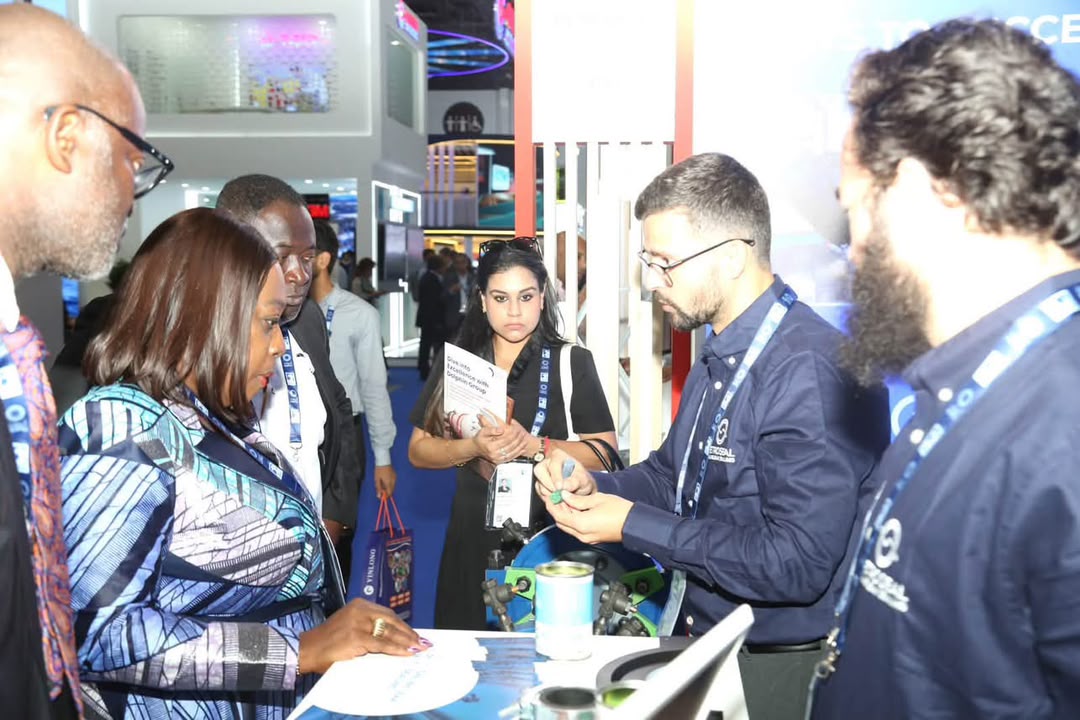
“The idea is for the Western part of Africa to build a robust pipe networking system to ensure we have interregional trade,”
The proposal points to the potential value of connecting national gas systems rather than treating each country’s resources and infrastructure in isolation.
For Ghana, stronger regional pipeline networks could provide additional supply options, support cross-border energy trade and create opportunities to participate in a more integrated West African gas market.
However, regional connectivity alone does not guarantee supply security. The commercial terms governing gas purchases, the reliability of suppliers, infrastructure availability and payment arrangements would all influence whether cross-border trade can provide dependable supplies.
Ghana’s experience with imported gas through the West African Gas Pipeline demonstrates why physical connectivity must be matched by reliable commercial and operational arrangements.
The wider objective would therefore be to build a system in which domestic production remains central, regional trade provides additional options and LNG offers flexibility when other sources are insufficient.
Investment Must Connect Resources To Consumers
Blay’s engagements at ADIPEC also reflected Ghana Gas’ broader interest in attracting investment and strategic partnerships to strengthen the country’s gas infrastructure.
The company operates the Atuabo Gas Processing Plant and a pipeline network connecting offshore gas resources to power producers and industrial consumers.
Its responsibilities are particularly important as Ghana seeks to increase the use of natural gas in productive sectors of the economy.
But expanding the role of gas requires investment across several parts of the value chain.
Production must be supported by adequate processing capacity, while pipelines and related infrastructure must be capable of delivering supplies to where they are needed.
The challenge is not simply to increase the volume of gas available. It is to ensure that the resource can be delivered reliably and at commercially sustainable costs.
For industries, interruptions in gas supply can affect production schedules, operating expenses and investment decisions.
For electricity producers, insufficient gas can force a switch to more expensive liquid fuels, potentially increasing generation costs.
This makes the relationship between domestic production, regional trade and LNG particularly important to Ghana’s industrialisation ambitions.
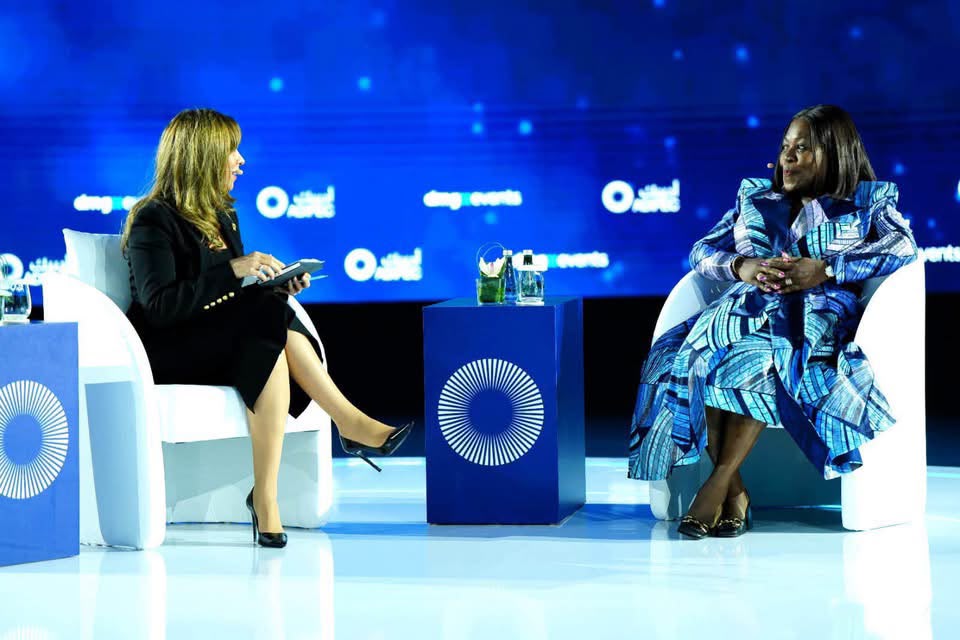
Blay’s participation at ADIPEC 2026, held in Abu Dhabi under the theme “Performance Under Pressure: Energy Systems in a New Era,” provided a platform to present these priorities to international energy stakeholders.
The more consequential outcome, however, will be whether the discussions translate into financing, infrastructure development and commercial partnerships capable of strengthening Ghana’s gas supply chain.
Ghana’s natural gas resources offer opportunities for power generation and industrial expansion, but those benefits depend on the systems that connect production to demand.
The strategy outlined by the Ghana Gas CEO places domestic production at the centre of that effort, with regional pipeline cooperation and LNG serving complementary roles.
Turning that approach into a reliable supply system will require sustained investment and effective coordination across the gas value chain.
READ ALSO: NIC Steps In as Marine Insurance Enforcement Triggers Port Concerns