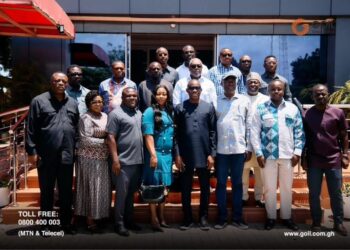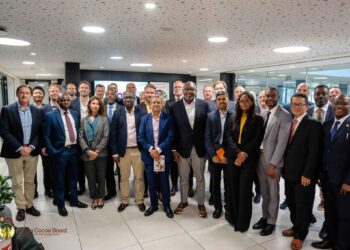

Ghana Gas has used the 2026 PIAC Technical Consultative Workshop to highlight the need for stronger collaboration, better infrastructure management and improved financial arrangements across Ghana’s gas value chain as the country seeks to build a more resilient domestic gas economy.
The two-day workshop, held on September 23 and 24, 2026, at Alisa Hotel in Accra, brought together stakeholders from across the petroleum and gas sector to examine challenges affecting the sustainability and efficiency of Ghana’s gas industry.
Held under the theme, “Building a Resilient Gas Economy: Collaborative Strategies for Financial Equilibrium and Efficient Gas Value Chain,” the engagement focused on the financial and operational issues that continue to influence the development of Ghana’s gas resources.
Collaboration Seen As Central To Gas Sector Resilience
Stephen Jomo, General Manager of Commercial Operations at Ghana Gas, opened the company’s contribution by emphasising the importance of collective action among institutions operating across the gas value chain.
His remarks framed the workshop around the need for industry participants to move beyond institution-specific interventions and work towards solutions that address challenges affecting the wider gas system.

The emphasis on collaboration comes as Ghana seeks to maximise the value of its domestic gas resources while ensuring that the infrastructure and commercial structures required to move gas from production points to end-users remain sustainable.
For Ghana Gas, strengthening the gas economy requires closer coordination between operators, regulators, government and other stakeholders whose decisions collectively determine how efficiently gas can be produced, processed, transported and consumed.
“The workshop provided an important platform for stakeholders across the gas value chain to collectively examine the challenges affecting the sector and consider practical approaches towards achieving financial sustainability and resilience.”
Ghana Gas
Existing Infrastructure Comes Under Focus
The technical dimension of Ghana Gas’ participation was led by Maxwell Kwame Kally, General Manager of Engineering and Maintenance.
Mr Kally highlighted the importance of optimising the country’s existing gas infrastructure while preparing the system for future integration.
The focus reflects the growing importance of infrastructure to Ghana’s gas ambitions. Processing facilities, pipelines and related assets must be maintained and efficiently utilised if the country is to translate available gas resources into dependable supply for domestic users.

Optimisation of existing infrastructure can also improve the sector’s ability to accommodate future gas resources without creating unnecessary duplication of facilities.
At the same time, preparing for future integration requires infrastructure planning to anticipate changes in supply and demand, ensuring that new resources can be connected to the wider system when they become available.
“Optimising existing infrastructure while preparing for future integration remains critical to supporting the growth, efficiency and resilience of Ghana’s gas sector.”
Ghana Gas
Cash Waterfall And Energy Debt Remain Key Issues
Financial sustainability also featured prominently in Ghana Gas’ contribution to the workshop.
Sylvester Enumi Cudjoe, Senior Manager of Commercial Operations, participated as a key panelist in discussions examining the Cash Waterfall Mechanism and the energy debt cycle.
The discussion placed financial flows at the centre of the gas sector’s operational challenges.
A functioning gas value chain requires payments to move reliably between the various participants.
Where financial obligations accumulate or payments are delayed, the resulting pressure can affect the ability of companies to maintain infrastructure, meet operational commitments and plan future investments.

The Cash Waterfall Mechanism is therefore relevant to the broader question of how revenues collected within the energy sector are distributed among participants and how payment obligations can be managed more predictably.
For the gas industry, resolving the energy debt cycle is closely linked to creating the financial conditions necessary for sustained investment and reliable supply.
Stakeholder Coordination Needed To Unlock Gas Potential
The workshop concluded with renewed emphasis on collaboration among industry players, regulators, government, academia and civil society.
The call reflects the increasingly interconnected nature of Ghana’s gas sector, where infrastructure, commercial arrangements, regulation and demand must develop together.

For Ghana Gas, strengthening the gas economy will require continued engagement among stakeholders to identify practical solutions to the financial and operational constraints affecting the value chain.
The company’s participation at the PIAC workshop therefore placed three areas at the centre of the discussion: stronger collaboration, more effective use of existing infrastructure and improved financial arrangements.
Together, these areas form part of the wider effort to ensure that Ghana can derive greater economic value from its gas resources while building a gas system capable of supporting long-term energy security and industrial development.
READ MORE: Access Bank Partners ITC to Unlock Africa’s SME Potential