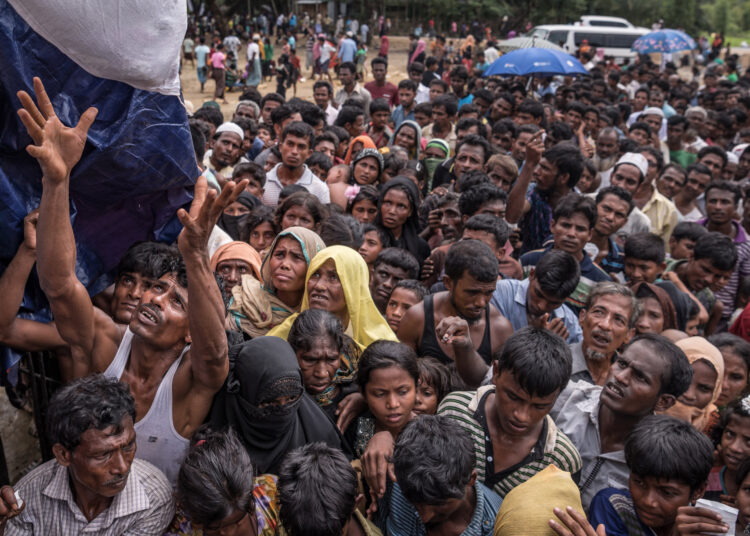
The Rohingya refugee crisis has reached a worsening humanitarian point in Bangladesh, with more than one in three refugees in the world’s largest refugee settlement expected to face crisis-level hunger or worse this year, putting hundreds of thousands of people, particularly children, at greater risk of malnutrition.
Nine years after hundreds of thousands of Rohingya fled violence and persecution in Myanmar, conditions in the sprawling refugee settlements of Cox’s Bazar in southeastern Bangladesh are deteriorating as international funding cuts reduce access to food, healthcare and other essential services.
The situation has raised fresh concerns about the future of an entire generation of Rohingya children who have spent much of their lives in displacement with little prospect of returning home safely.
Save the Children warned that the deterioration in food security is being driven by a combination of reduced humanitarian funding, lower food rations, overcrowded living conditions and limited access to clean water, nutritious food and livelihood opportunities. These pressures are leaving families increasingly vulnerable as they struggle to meet even their most basic needs.
From September to December this year, an estimated 35% of the 1.2 million Rohingya refugees living across about 30 camps in Cox’s Bazar are expected to experience IPC Phase 3, classified as crisis hunger, or worse.
Of this group, about 10% are expected to face emergency levels of hunger. The proportion represents an increase from 30% recorded last year, highlighting the steady deterioration in food security across the settlements.
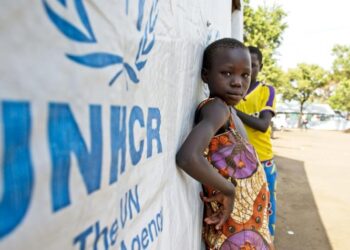
The worsening conditions are particularly concerning because children account for more than half of the refugee population. For many of them, displacement is not a temporary interruption to childhood but the only environment they have ever known.
Nine years after the mass exodus from Myanmar, a generation of Rohingya children has grown up inside the camps, surrounded by uncertainty over food, education, healthcare, security and their long-term future.
Save the Children currently provides nutrition screening and treatment, maternal nutrition support and infant and young child feeding counselling inside the camps. Its Maternal and Child Hospital also provides round-the-clock inpatient care for children suffering from severe acute malnutrition accompanied by medical complications.
However, humanitarian organisations warn that treatment alone cannot resolve the underlying causes of malnutrition.
The organisation revealed that children must have reliable access to nutritious food, clean water and healthcare if malnutrition is to be prevented in the first place. Funding reductions, however, have created gaps in the availability of these essential services, leaving vulnerable families exposed to further deterioration.
Hunger and Uncertainty Push Rohingya Families to Risky Sea Crossings
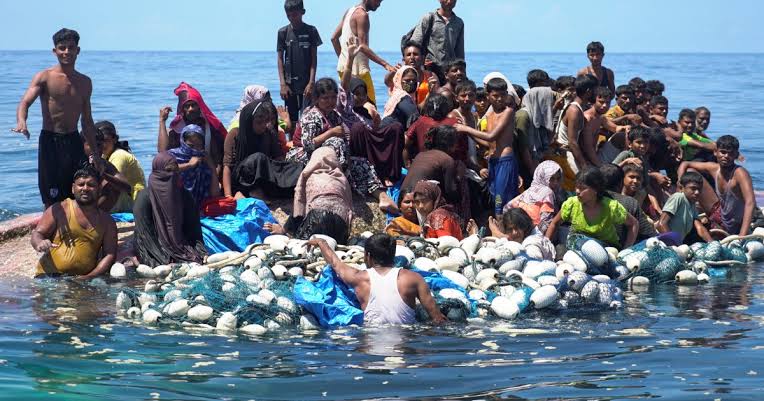
The deterioration in living conditions has also contributed to growing pressure on Rohingya refugees to seek alternatives outside the camps, despite the potentially deadly consequences.
With limited livelihood opportunities and few prospects for a secure future, some refugees have attempted to leave Bangladesh through dangerous sea journeys, often relying on smugglers and traffickers who can subject migrants to abuse and exploitation.
A record number of 900 Rohingya, including children, were reported missing or dead at sea in 2025, highlighting the extent of the threat and the despair that led some families to put their lives in peril in pursuit of opportunity and safety.
However, staying in the camps also poses serious hazards to many migrants. Families now have to choose between staying in increasingly tense settlements or making risky travels into an unknown future due to decreased food aid, insufficient services, and ongoing instability.
Golam Mostofa, the head of Save the Children’s Cox’s Bazar Area Office in Bangladesh, stated that the deteriorating circumstances showed the repercussions of ignoring the Rohingya issue for over ten years.
“Nine years after the mass displacement of the Rohingya, an entire generation of children is growing up in exile. Yet instead of seeing progress towards safety, rights and a lasting solution, families are facing worsening hunger, fewer opportunities and deepening uncertainty about their future.”
Golam Mostofa
He added that, “hunger and malnutrition is not simply the result of a lack of food. It is the consequence of a crisis that has been allowed to continue unresolved for nearly a decade. Rohingya children need more than survival. They need protection, education, dignity and a genuine pathway to a better future.”
While international humanitarian organisations have continued providing food, healthcare, protection and other services, donor fatigue and funding shortfalls have increasingly threatened the ability of aid agencies to maintain the scale of their response.
Save the Children, which has worked in Cox’s Bazar since 2012 and significantly expanded its operations following the 2017 influx, is now calling for renewed international commitment to address the growing funding gap.
The organisation is urging the international community to increase humanitarian financing while calling on governments to protect the rights of Rohingya refugees and accelerate efforts to find durable solutions that can provide families with a future beyond indefinite displacement.
READ ALSO: Africa Must Work to Build A Health System Rooted in Trust