


The Food and Agriculture Organization of the United Nations (FAO) has reported a 1.2% decline in global food commodity prices in October 2026, as weaker import demand contributed to falling international prices of cereals, dairy products and meat.
According to the latest FAO Food Price Index (FFPI), which tracks monthly changes in the international prices of a basket of globally traded food commodities, the benchmark index averaged 133.9 points in October, down 1.6 points from its revised September level.
The decline was driven by lower prices across most commodity groups, which offset a sharp increase in sugar prices and a marginal rise in vegetable oil quotations.
Despite the monthly reduction, the index remained 5.9% above its October 2025 level, although it was still 16.4% below its record peak reached in March 2022.
The latest figures highlight contrasting developments across international food markets, with easing prices for several major commodities occurring alongside rising sugar costs and continued uncertainty over global agricultural production and trade.
Cereal and Dairy Prices Decline as Sugar Records Fourth Consecutive Increase
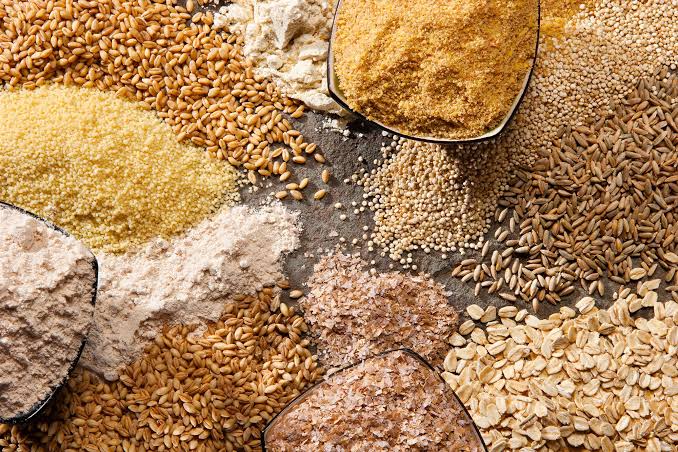
The FAO Cereal Price Index recorded the sharpest decline among the major food commodity groups, falling 4.5% from September as international wheat and maize prices weakened.
World wheat prices declined after four consecutive months of increases, largely reflecting subdued international demand and an improved production outlook, particularly in Argentina. Expectations of reduced constraints on Black Sea export flows also contributed to the decline, although persistent logistical disruptions in the region limited the downward pressure.
International maize quotations similarly eased after reaching a three-year high in September, driven by harvesting pressure in the United States, expectations of ample supplies from major South American exporters and renewed prospects for reduced tensions in the Black Sea region.
Rice prices, however, moved in the opposite direction, with the FAO All Rice Price Index increasing by 1.6 percent as harvesting delays in some exporting countries, adverse weather conditions and rising production costs exerted upward pressure.
The FAO Vegetable Oil Price Index also edged up by 0.3%, as higher soybean and sunflower oil quotations outweighed declining rapeseed oil prices.
Soybean oil prices reached their highest levels since late 2022, supported by strong demand from the biofuel sector and seasonally declining supplies from South America. Sunflower oil quotations also recovered from multi-month lows amid continued export constraints in the Black Sea region.
Meanwhile, the FAO Meat Price Index declined by 1.2%, although it remained slightly above its level a year earlier. Lower quotations for pig, ovine and bovine meats drove the decline, while poultry meat prices remained broadly stable.
The FAO Dairy Price Index similarly fell by 1.1%, reflecting lower international butter and cheese prices amid ample supplies and subdued buying interest. These declines outweighed further increases in milk powder quotations.
Sugar prices presented a contrasting trend, with the FAO Sugar Price Index rising by 6.6% from September and marking its fourth consecutive monthly increase to reach its highest level since December 2024.
The increase was largely attributed to rainfall-related disruptions to sugarcane harvesting and crushing operations in Brazil’s key Centre-South producing region, alongside concerns over production prospects in India, the European Union and Thailand during the 2026/27 season.
The index also stood 28.8% above its level a year earlier, highlighting the growing divergence between sugar prices and other major food commodity markets.
Global Cereal Production Forecast to Remain Near Record Levels
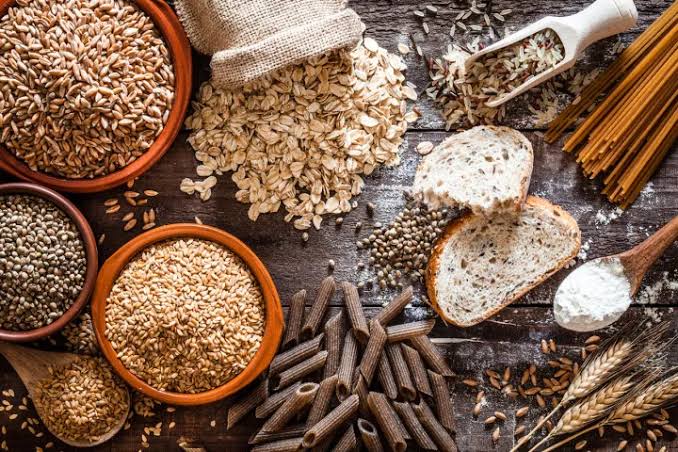
In its latest Cereal Supply and Demand Brief, FAO projected global cereal production at 2,999 million tonnes in 2026, representing a decline from the record level recorded in 2025 but remaining the second-highest output on record.
Production is expected to decline across all major cereal categories, with wheat recording the most significant reduction, while coarse grains are forecast to register only a marginal decrease.
Rice production is also projected to contract for the first time in four seasons, falling by 2.5% to 552 million tonnes, largely reflecting poor producer margins and adverse weather conditions associated with El Niño.
Global cereal utilisation during the 2026/27 season is forecast to increase marginally by 0.2% to 2,971 million tonnes compared with 2025/26.
Food consumption is expected to account for most of the projected increase, with global food use of wheat and rice anticipated to rise by 0.8% and 1.0%, respectively.
However, FAO noted that these increases would remain slightly below the pace of global population growth.
Global cereal stocks are projected to increase by 17.2 million tonnes, or 1.8%, by the close of the 2027 marketing seasons, largely reflecting higher wheat inventories in Russia and Ukraine.
Export disruptions in both countries are contributing to the accumulation of supplies, while the global cereal stocks-to-use ratio is forecast to reach 32.4%, slightly above the previous season’s level.
Despite the anticipated increase in inventories, international cereal trade is expected to contract by 3.3% to 507.7 million tonnes during 2026/27.
The projected decline is largely driven by an 8.6% reduction in wheat trade, with shipments from all major exporting countries expected to fall amid supply and logistical constraints.
41 Countries Require External Food Assistance Amid El Niño Risks
FAO’s November 2026 edition of its Crop Prospects and Food Situation report has identified 41 countries and territories that continue to require external assistance for food, including 31 in Africa.
The report, which assesses global cereal production prospects, market developments and food security conditions, also projects aggregate cereal production among Low-Income Food-Deficit Countries (LIFDCs) at approximately 126.5 million tonnes in 2026.
This represents an increase of about 2% compared with both the 2025 output and the five-year average, largely reflecting an anticipated recovery in production across Asia, particularly Near East Asia.
However, cereal production among African LIFDCs is expected to remain close to its average level.
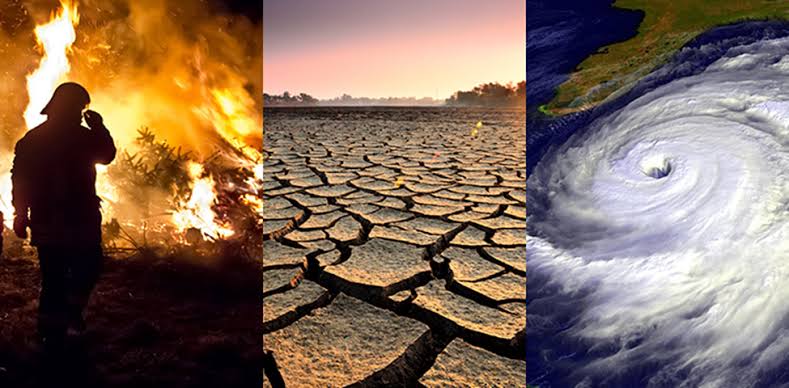
FAO identified persistent conflicts and insecurity as the principal drivers of the most severe levels of acute food insecurity, while weather-related shocks associated with the strong El Niño event are worsening conditions across several subregions.
The organisation further warned that El Niño-related production impacts could remain severe into 2027, potentially intensifying food insecurity in already vulnerable communities.
READ ALSO: Curry Climbs to 17th on NBA All-Time Scoring List