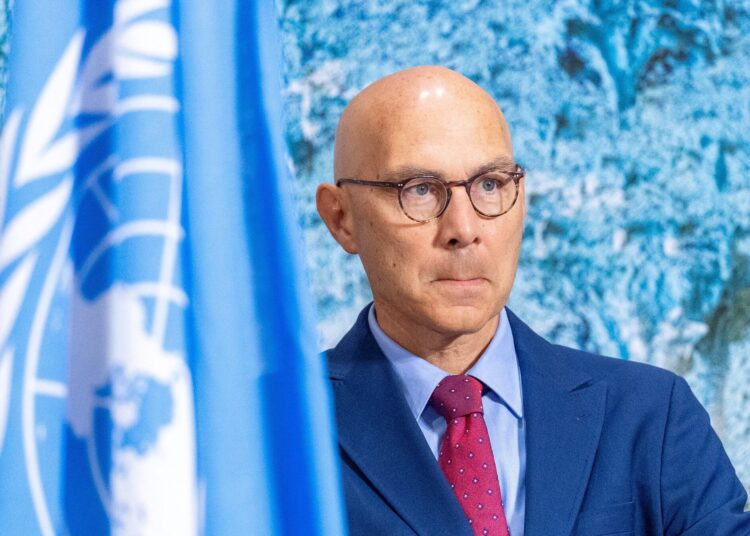
United Nations High Commissioner for Human Rights Volker Türk has called on governments to strengthen investigations and prosecutions of crimes against journalists, warning that persistent impunity is undermining freedom of expression, public access to information and democracy.
In a statement marking the International Day to End Impunity for Crimes against Journalists, the Human Rights Chief highlighted the scale of violence facing media professionals worldwide, particularly those reporting from conflict zones.
“When a journalist is harassed or even killed, and the crime goes unpunished, it sends a clear signal: dialogue and democratic debate are over; the public interest is conditional; and power is not to be questioned.”
Volker Türk
Data cited by the UN High Commissioner for Human Rights showed that more than 740 journalists and media workers were killed or disappeared worldwide between 2023 and 2025.
Volker Türk also drew attention to the continued detention of journalists who have been forcibly disappeared, noting that around nine in ten remain detained.
Women journalists face additional forms of intimidation, particularly through digital platforms. According to the High Commissioner, three-quarters of women journalists have experienced online abuse, including smear campaigns and sexual violence.
The wider pattern of violence includes arbitrary detention, intimidation, kidnapping, torture, physical attacks and judicial harassment. Strategic lawsuits against public participation, commonly known as SLAPPs, also create legal and financial pressure on journalists and media organisations, particularly when reporting exposes corruption, abuses of power or other matters of public interest.
Impunity Weakens Freedom of Expression and Public Accountability
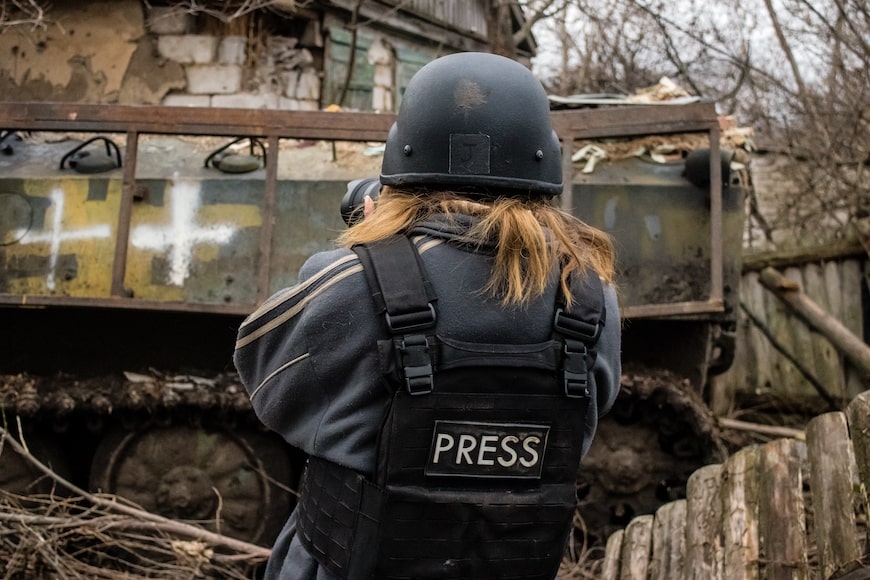
Türk warned that the failure to hold perpetrators accountable has consequences for the broader protection of human rights, particularly freedom of expression and the public’s right to information. He argued that attacks on journalists send a message that those exercising power can operate without scrutiny when violence against media professionals is tolerated.
“I welcome improved accountability for these crimes when they are committed outside conflict zones. However, the majority of journalists are killed during war, and impunity remains the rule.”
Volker Türk
The consequences of impunity are also reflected in the wider decline in freedom of expression. Citing UNESCO findings, Türk noted that global freedom of expression fell by 10% between 2012 and 2024.
UNESCO has similarly warned that impunity for attacks on journalists creates a chilling effect on society. When perpetrators escape prosecution, the absence of consequences can embolden further violence, while journalists may resort to self-censorship or avoid reporting on sensitive issues.
The impact is especially substantial in investigations into corruption, human rights breaches, and criminal activities. Independent media exposes wrongdoing and offers knowledge that citizens may use to hold institutions and public authorities responsible.
The UN Plan of Action on the Safety of Journalists and the Issue of Impunity represents an international effort to address these challenges through cooperation among UN bodies, national authorities, media organisations and civil society. Since its adoption, the initiative has helped raise the visibility of journalist safety within the UN system and contributed to the establishment of national safety mechanisms in at least 50 countries.
However, the continued prevalence of impunity and the emergence of new threats demonstrate that existing commitments have not translated into adequate protection everywhere.
Türk Calls for Stronger Government Action and Protection
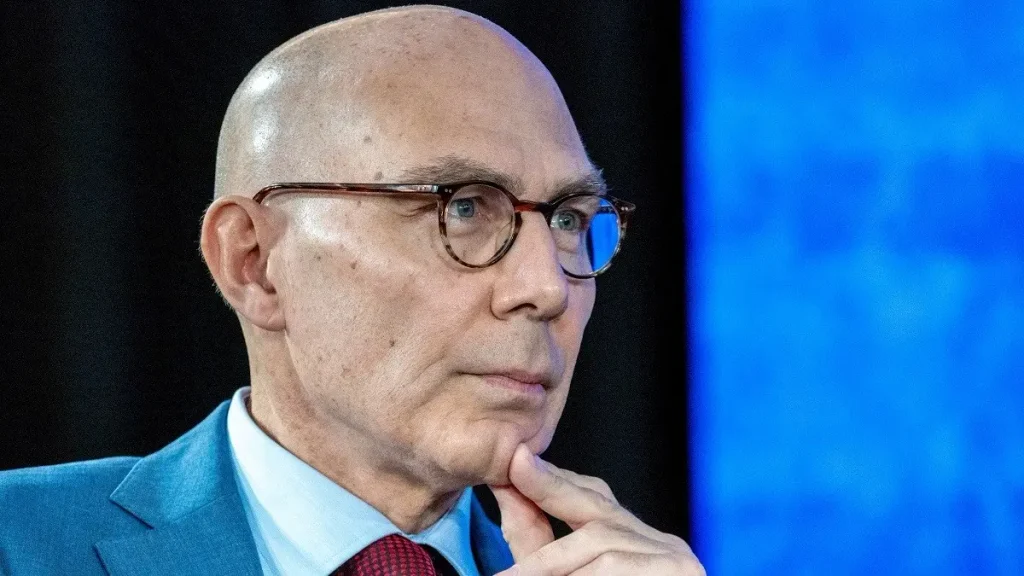
Volker Türk also emphasised that responsibility for protecting journalists cannot be left to media organisations and the journalism industry alone. Although international institutions, civil society and technology companies have important roles to play, he maintained that governments carry the primary responsibility for ensuring the safety of journalists and media workers.
He pointed to gaps in national protection systems, noting that most countries still lack comprehensive frameworks that combine the prevention of attacks, protection tailored to the specific needs of journalists and effective accountability when crimes occur.
Even where such frameworks exist, the High Commissioner warned that political commitment and adequate financial resources are necessary to make them effective. Legal provisions and public declarations alone cannot guarantee safety unless authorities provide the institutions, funding and practical measures required to implement them.
The Human Rights Chief revealed that his Office is working with governments across several regions to improve protection for people at risk.
He urged governments to conduct prompt and independent investigations into crimes against journalists and media workers, prosecute those responsible and provide appropriate redress to victims and their families, stressing that these obligations must also apply to crimes committed in conflict zones, where the scale of violence and persistent impunity make accountability especially urgent.
READ ALSO: BoG Governor Promises Ghanaians a Stable Cedi This Christmas