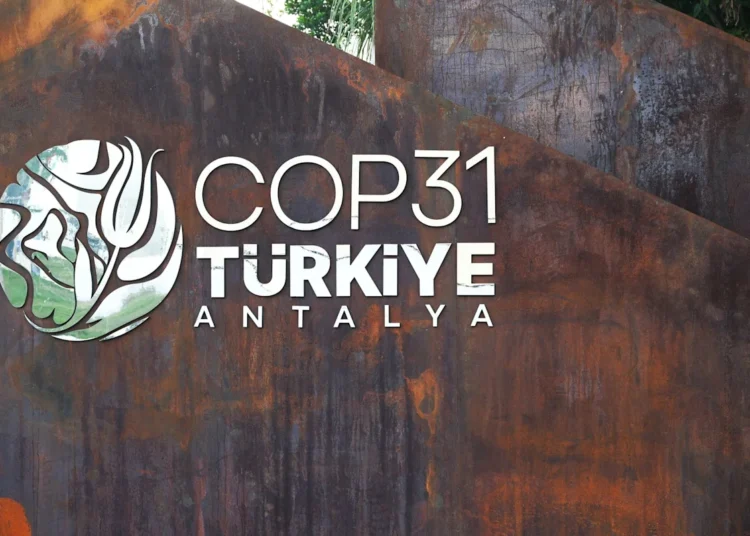
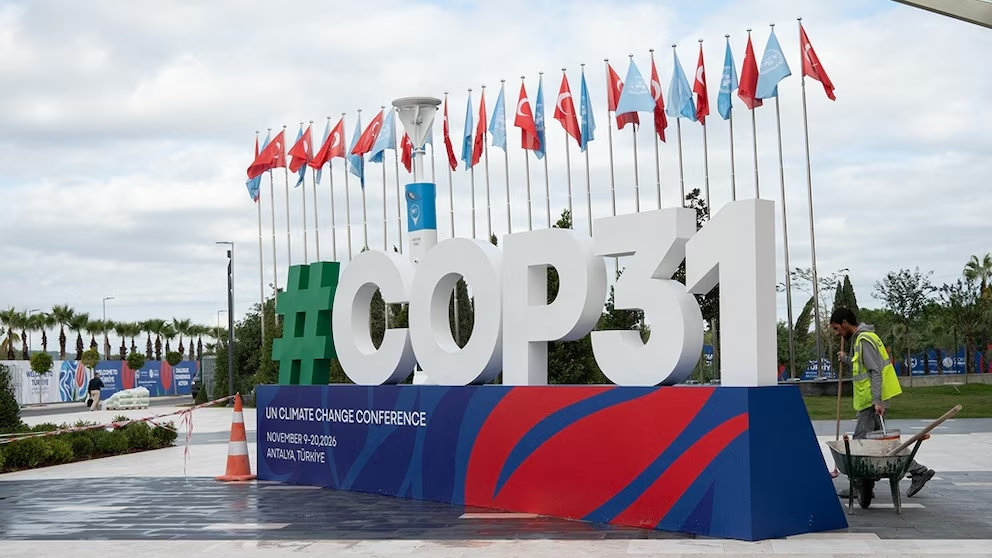
United Nations COP31 conference in Antalya, Türkiye, has concluded without a major political deal on climate change, following extended disputes over fossil fuels and support for vulnerable countries.
Negotiations, initially scheduled to conclude on Friday, continued into Sunday as delegates struggled to find common ground, making COP31 the longest United Nations climate conference in history.
However, the final draft agreement failed to secure the support of the European Union (EU), Pacific island nations and several other countries.
United Nations Secretary-General António Guterres expressed deep disappointment over the outcome, accusing powerful fossil fuel interests of obstructing efforts to address the climate crisis.
“But this setback does not change the facts. There may be no consensus in the negotiating room. There is no ambiguity in the science. Temperatures keep shattering records. Climate extremes keep intensifying. Emissions remain far too high. And every delay makes our task harder and more costly.”
António Guterres
He added, “The take-home message from COP31 is clear: the world must do much more to confront the climate crisis and it must do it now. That starts with facing up to how we got here. Those who profit from the destruction of our planet must never dictate the terms of the fight to save it.”
Fossil Fuel Disagreements Derail Final Agreement
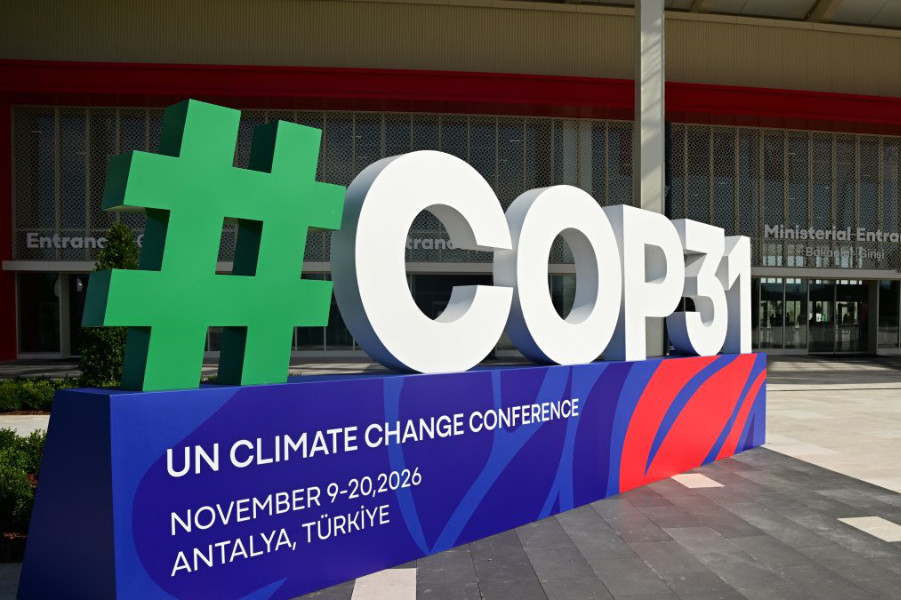
The failure to reach consensus followed intense disagreements over whether the final agreement should explicitly address the phase-out of coal, oil and gas, which remain the primary drivers of global warming.
After two weeks of negotiations, delegates received a revised draft in the early hours of Sunday in an attempt to resolve the deadlock.
However, the document made no direct mention of fossil fuels, instead referring indirectly to the commitment reached at COP28 in 2023 to “transition away” from fossil fuels in energy systems.
The omission drew strong objections from the EU, whose representative, Irish Minister Darragh O’Brien, indicated that the proposed agreement fell short of the action required to confront climate change.
“It is unconscionable that we would have a climate pact that makes no mention of fossil fuels,” he stated, describing the decisions as falling “nowhere near the level of ambition needed to tackle climate change.“
Panama, the Marshall Islands and other countries also criticised the proposal, arguing that it failed to reflect the urgency of the climate crisis.
Also, Saudi Arabia’s delegate, Mohammad Ayoub, stated that Arab countries had “continued to engage in good faith” while arguing that the region accounted for only a small proportion of historical greenhouse gas emissions.
Meanwhile, UN Chief stressed that, “fossil fuels are driving the climate crisis. The continued addiction to coal, oil and gas is fueling climate chaos, exposing economies to price shocks, and undermining energy security.”
“We can’t put out the fire while pouring fuel on it. Yet powerful fossil fuel interests continue to take a page from Big Tobacco’s playbook: distorting the science, delaying policy, blocking action, and piling up huge profits while people everywhere pay the price.”
António Guterres
Climate Finance Dispute Leaves Poorer Nations Concerned
Also, financial support for developing countries emerged as another major obstacle, with poorer nations expressing dissatisfaction over the absence of clear commitments from wealthier countries to help them adapt to rising temperatures and increasingly severe climate impacts.
At COP30 in Brazil, countries agreed to triple financing for climate adaptation. However, the final COP31 draft contained neither specific financial figures nor a baseline for measuring progress towards that commitment.
The omission raised concerns that wealthier nations could avoid clear accountability for delivering the promised support, leaving vulnerable countries with limited certainty over the resources available to prepare for climate-related threats.
Mohamed Adow of Power Shift Africa, an African climate and energy think tank, criticised the lack of concrete financial commitments, insisting that developed countries must demonstrate greater responsibility.
“Rich nations and polluting governments cannot keep arriving empty-handed,” he stated.
United Kingdom’s Energy Secretary, Miatta Fahnbulleh, also described the failure to secure a political agreement as “immensely disappointing,” though she maintained that the outcome would not weaken the country’s commitment to international climate cooperation.
The disagreement over funding is testimony to a long-standing rift in climate talks, especially over the obligation of wealthier industrialised nations to assist countries that have historically contributed less to emissions but are disproportionately affected by climate change.
Climate Overshoot Raises Questions Over UN Process
The breakdown in negotiations has also revived questions about the effectiveness of the United Nations climate process, particularly its reliance on consensus among nearly 200 participating countries.
Although Australia led the official negotiations alongside Türkiye as host, COP31 President of Negotiations Chris Bowen acknowledged that delegates faced “unbridgeable red lines” amid the most complicated geopolitical environment in living memory.
The disagreements unfolded as climate impacts continued to intensify, with 2026 potentially becoming the hottest year on record and extreme weather affecting several regions, including drought in Europe and flash flooding in Nepal.
COP31 also marked the first annual United Nations climate conference to formally discuss the likelihood of missing the 1.5°C warming threshold established under the 2015 Paris Agreement.
International climate commitments have helped improve estimates of future warming. However, the United Nations projects that current government policies could still result in global temperatures increasing by around 2.8°C by the end of the century.
Global warming is also expected to exceed the 1.5°C threshold in the coming years, prompting concerns about the resulting climate impacts and the challenges of reversing the trend.
Despite the failure to secure a comprehensive political agreement, some progress was recorded during the conference, including support for a proposed just transition mechanism designed to assist workers and communities affected by the shift towards cleaner energy systems.
READ ALSO: Ghana’s Debt Market Remains Trapped in Sovereign Bond Dominance- Analyst