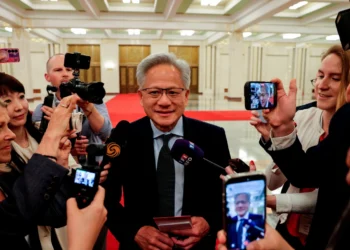
The United States has placed Singapore-based Megaspeed International and six other Southeast Asian companies on its trade blacklist, intensifying scrutiny of firms at the centre of an alleged Chinese intelligence operation involving Nvidia Chief Executive Jensen Huang.
The Bureau of Industry and Security (BIS), an agency under the US Department of Commerce, announced the designations hours after Nvidia confirmed Huang’s reinstatement as President and Chief Executive officer following his recent resignation.
In a filing to the Federal Register, BIS said the companies had been determined to be “acting contrary to the national security or foreign policy interests of the United States.”
The designations mean that individuals and businesses seeking to supply the listed entities with advanced US technology must first obtain an export licence. The restrictions cover high-performance semiconductors, including Nvidia’s advanced graphics processing units (GPUs) used in artificial intelligence development.
Megaspeed’s inclusion on the list comes amid growing divisions within President Donald Trump’s administration over the export of advanced American chips to China and the enforcement of restrictions against companies suspected of circumventing export controls.
The controversy has also drawn attention to allegations involving Huang and a former Megaspeed Executive, Alice Huang, who US officials have accused of working with China’s Ministry of State Security in an intelligence-gathering operation targeting the Nvidia chief.
Megaspeed Blacklisting Follows Export-Control Scrutiny
US officials have reportedly scrutinised Megaspeed’s compliance with export controls for several years. However, the Commerce Department, led by Secretary Howard Lutnick, had previously declined to place the company on the Entity List.
That decision reportedly triggered disagreements within the administration, including criticism from officials considered more hawkish on China, among them Treasury Secretary Scott Bessent.
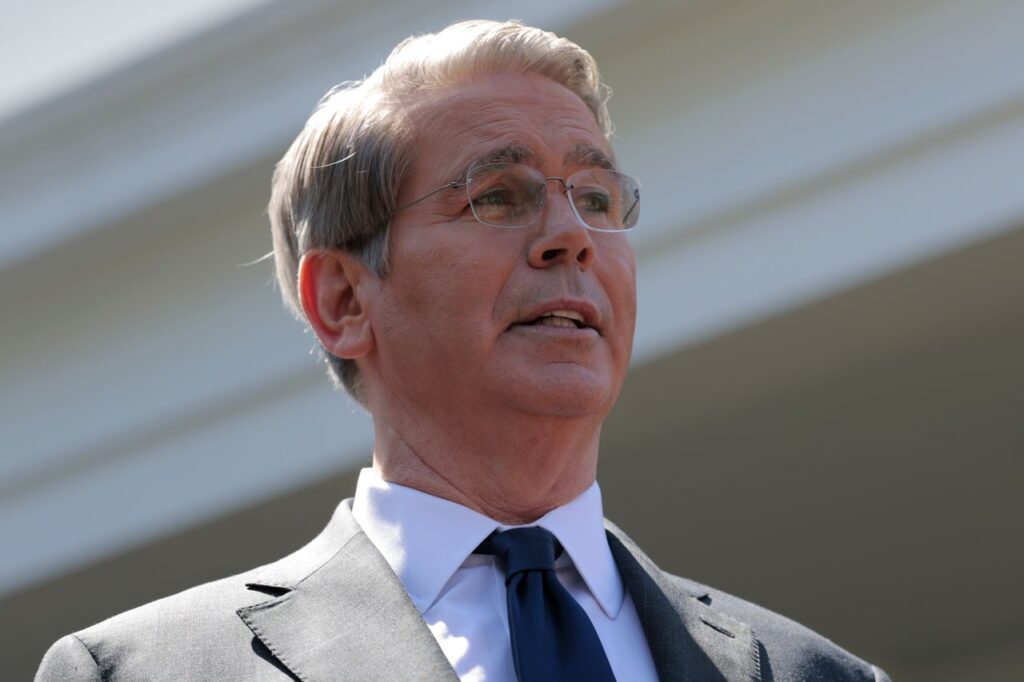
The latest designation marks a significant development in Washington’s efforts to restrict access to advanced American technology by companies it considers a national security or foreign policy concern.
The BIS announcement identified seven companies across Southeast Asia, including Megaspeed International and six other entities: MSFusion, PT Megaspeed International, Speedmatrix, Apex Enterprise Solutions, Swiftdata and Megaspeed (Thailand).
Three of the additional firms were said to be based in Malaysia, two in Singapore and one in Thailand.
The restrictions require exporters seeking to supply the designated companies with controlled US technology to secure government authorisation, potentially limiting their access to advanced computing equipment and other restricted products.
Trump Defends Huang’s Return To Nvidia
The blacklist announcement came shortly after Nvidia confirmed that its board had unanimously reinstated Huang as Chief Executive and a member of the board.
President Trump said that he had personally intervened with Nvidia’s board to support Huang’s return, arguing that the technology company was too important to the United States for its leadership to remain uncertain.
Speaking to a news channel, Trump stated that he had communicated with board members directly and indirectly and had strongly supported the reinstatement.
He also said that the administration had addressed the board’s concerns about potential national security risks associated with Huang’s return.
Trump’s comments followed reports alleging that Huang had been romantically involved with Alice Huang, a former senior Megaspeed executive accused by US officials of having links to Chinese intelligence.
Beijing rejected the allegations, describing them as “groundless speculation” and “an attempt to smear and malign China.” Alice Huang has not publicly commented on the claims.
Nvidia shares surged following the announcement of Jensen Huang’s reinstatement, helping the wider US stock market record its strongest single-day performance in more than 18 months, according to the supplied account.
The developments have brought renewed attention to the relationship between national security concerns, export controls and the commercial interests of American semiconductor companies.
Malaysia Responds To Expanded US Trade Restrictions
Malaysia’s Ministry of Investment, Trade and Industry has responded to the blacklist announcement, disputing the classification of one of the named companies.
The ministry said that, based on its official records, PT Megaspeed International was not a Malaysian entity.
It also announced plans to notify data centre operators across Malaysia about the expanded restrictions and advise them against hosting or providing services to the designated companies.
“Malaysia remains committed to a secure, transparent and rules-based trading environment and will not allow itself to be used as a channel to circumvent export controls. Action will be taken against parties found to have contravened any laws,” the ministry said.
The statement reflects concerns among regional authorities about the possibility of Southeast Asian countries being used as transit points for restricted technology or services.
The US decision could also place additional compliance responsibilities on data centre operators, technology suppliers and other businesses operating across the region.
With Megaspeed now facing restrictions on access to controlled American technology, Washington’s action adds another dimension to the wider debate over China’s access to advanced semiconductors and the security of global technology supply chains.
The blacklist announcement also highlights the continuing tension between the Trump administration’s efforts to protect US technological interests and its support for Nvidia’s leadership and commercial position.
READ ALSO: Iran Expresses Readiness To Negotiate When US Lifts Blockade