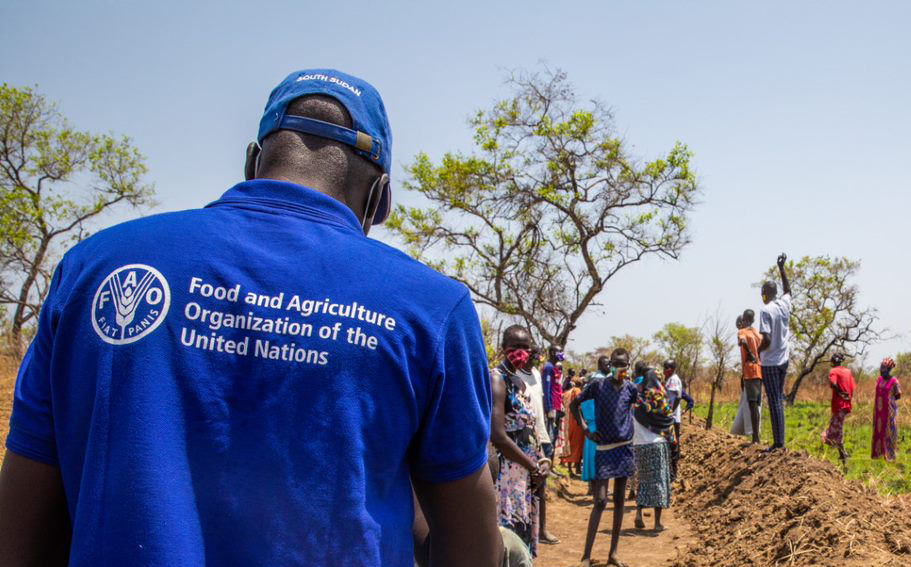
FAO Global Partnership Programme for Transboundary Animal Diseases has been unveiled as a new global strategy to strengthen the fight against animal diseases that continue to threaten food security, disrupt trade, damage livelihoods and create risks for human health.
The Food and Agriculture Organization of the United Nations (FAO) introduced the initiative as a country-led approach designed to improve prevention, detection and response to transboundary animal diseases (TADs), which can spread rapidly across borders and cause severe economic and social consequences, particularly in low- and middle-income countries.
The programme, known as the FAO Global Partnership Programme for Transboundary Animal Diseases (GPP-TAD), seeks to transform how countries prepare for and respond to major animal health emergencies by creating stronger partnerships between governments, farmers, private sector actors, financial institutions and international organisations.
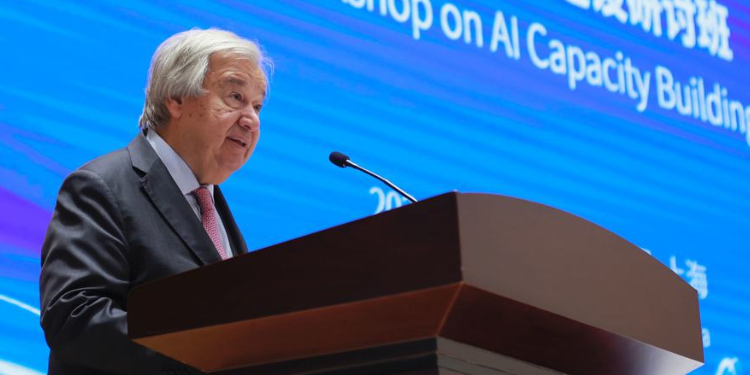
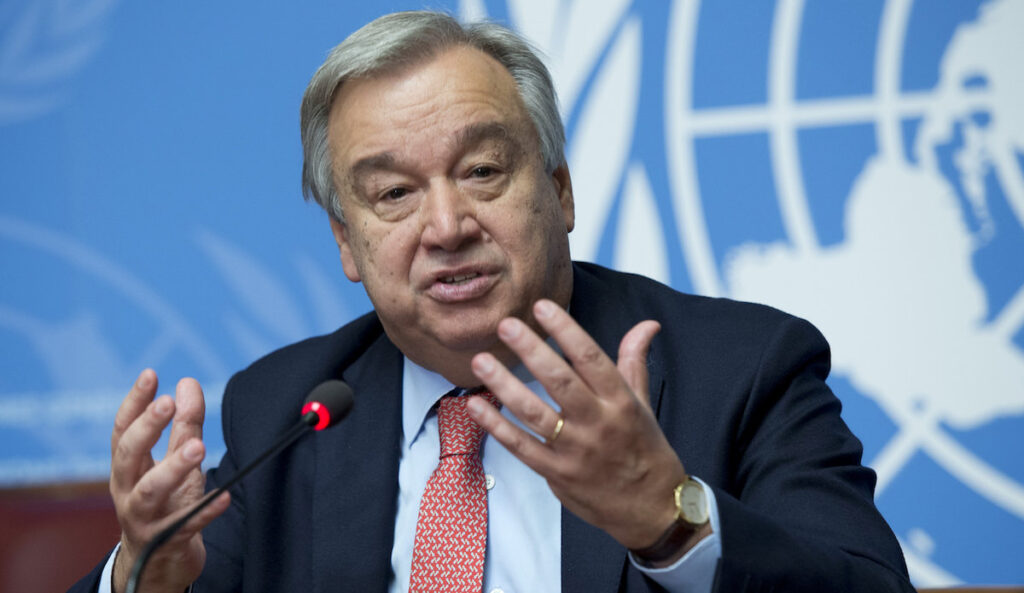
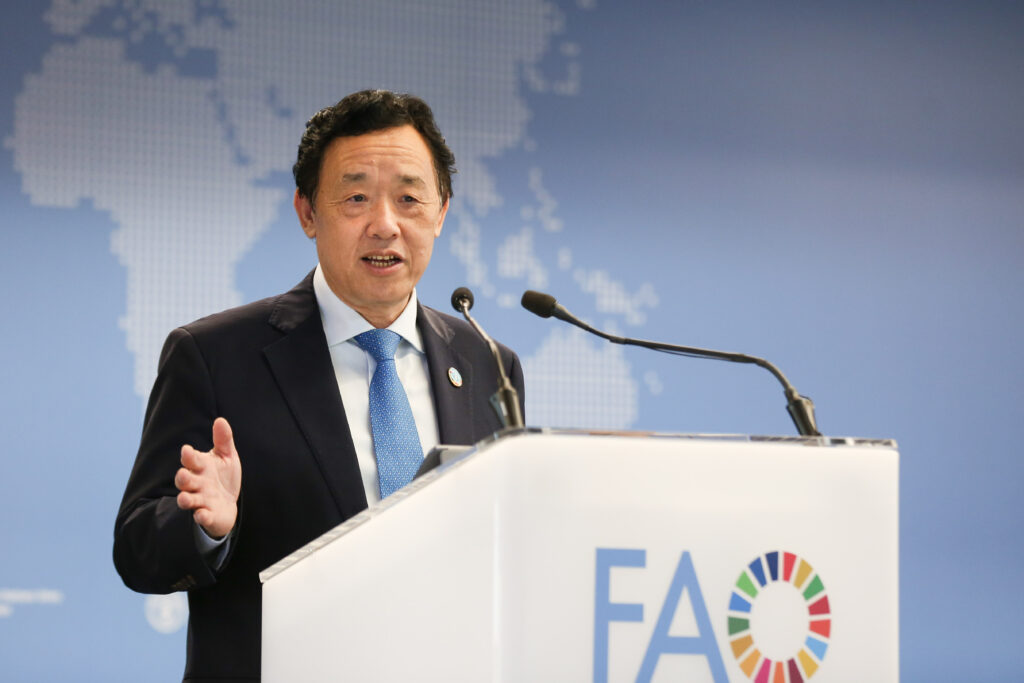
According to FAO Director-General Qu Dongyu, the world must move away from reacting only after disease outbreaks occur and instead invest in prevention, cooperation and long-term preparedness.
“We must ensure that the next chapter of global animal health is not defined by crisis, but by cooperation, responsibility and shared success.”
Qu Dongyu
He warned that transboundary animal diseases remain among the most urgent threats facing global food systems, rural economies and public health.
Diseases such as highly pathogenic avian influenza, foot-and-mouth disease, African swine fever and New World screwworm have demonstrated the speed at which animal health emergencies can cross borders and affect millions of people.
According to FAO, these diseases are spreading faster, reaching wider areas and causing greater economic damage than in previous years, placing additional pressure on already vulnerable communities that depend heavily on livestock for income and food security.
Qu stressed that investing in prevention is significantly cheaper than responding to large-scale outbreaks after they occur.
He pointed to the recent introduction of the SAT1 serotype of foot-and-mouth disease into Asia, warning that the outbreak could result in annual losses of up to $2 billion based on FAO impact assessments.
“The only way to avert crises downstream is investing upstream in prevention through a One Health approach.”
Qu Dongyu
He also called for a broader understanding of the One Health approach, arguing that animal health cannot be separated from wider environmental and human health concerns.
“We can no longer speak only of zoonotic diseases. We need a right interpretation of a One Health holistic approach which encompasses soil health, animal health, plant health, human health and environmental health.”
Qu Dongyu
GPP-TAD was launched in response to the rising understanding on a global scale that better coordination and sustainable funding are needed for current methods of controlling animal illnesses.
With 110 nations filing official letters expressing their intention to join the program, the initiative has already attracted a lot of interest from around the world.
The robust reaction is a reflection of the growing concern around the world over illnesses that endanger animal output, international trade, and rural livelihoods.
New FAO Model Shifts Focus From Crisis Response to Prevention

The FAO Global Partnership Programme for Transboundary Animal Diseases represents a major shift in how international efforts to manage animal disease outbreaks are organised and financed.
For more than two decades, FAO’s Emergency Centre for Transboundary Animal Diseases (ECTAD) has played a central role in supporting countries during animal health emergencies. However, previous efforts have largely depended on donor-funded projects, with FAO acting mainly as an implementing organisation.
Under the new programme, FAO is introducing a broader global partnership model where countries take greater ownership of disease prevention and control efforts while receiving technical support tailored to their specific needs.
The new approach will be built around National Partnership Platforms that bring together governments, producers, farmers’ organisations, private companies, foundations and financial institutions under a single national framework.
Recognising that animal diseases frequently spread through international travel and necessitate collaboration across national boundaries, regional hubs will also coordinate cross-border responses.
Through its Emergency Prevention System (EMPRES) initiative, FAO will continue to give technical knowledge, including disease intelligence, early warning systems, scientific guidance, and emergency help when needed.
Prevention and progressive disease control, digital surveillance and early warning systems, readiness and risk-based action, coordinated emergency response, and more robust laws, collaborations, and funding sources are the program’s five main focal areas.
The new financial structure of GPP-TAD, which attempts to provide a more reliable and sustainable funding system, is a key component.
Rather than relying mainly on external donor support, participating countries will contribute according to their financial capacity, while additional funding will come from development partners, international financial institutions and private sector organisations.
According to FAO, the strategy is intended to promote shared accountability and guarantee that nations most impacted by animal disease concerns have more effective means of averting future outbreaks.
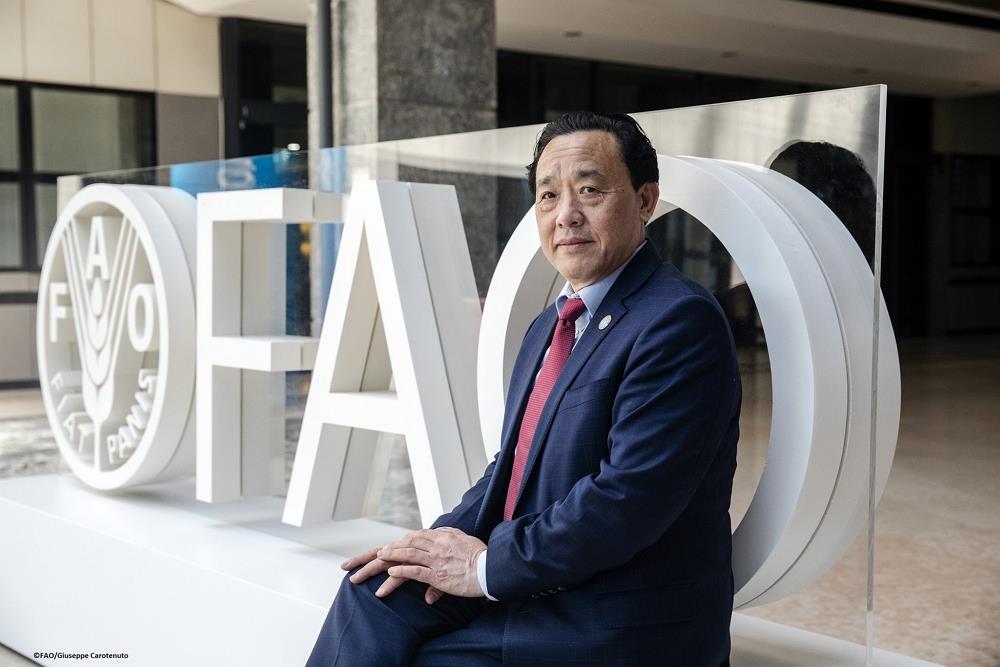
FAO Director-General QU Dongyu described the initiative as a platform built on cooperation and collective responsibility.
“GPP-TAD is a strong global platform for solidarity, shared responsibility, and sustainable, predictable investment.”
Qu Dongyu
He added, “healthy foods come from healthy soils, healthy plants and healthy animals for a healthy environment and a healthy life.”
As climate change, global trade, and population movement continue to raise the danger of disease transmission, the FAO maintains that stronger international collaboration will be critical in protecting agriculture, economy, and people from future animal health problems.
READ ALSO: GoldBod CEO Refutes Minority’s Operational Losses Claims