The International Organization for Migration (IOM) has warned that millions of displaced people continue to bear the consequences of inadequate climate action, urging governments and development partners to scale up long-term investment in climate resilience as the UN Climate Change Conference (COP31) opens in Antalya, Türkiye.
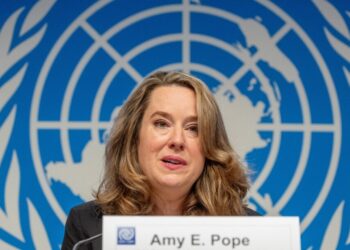
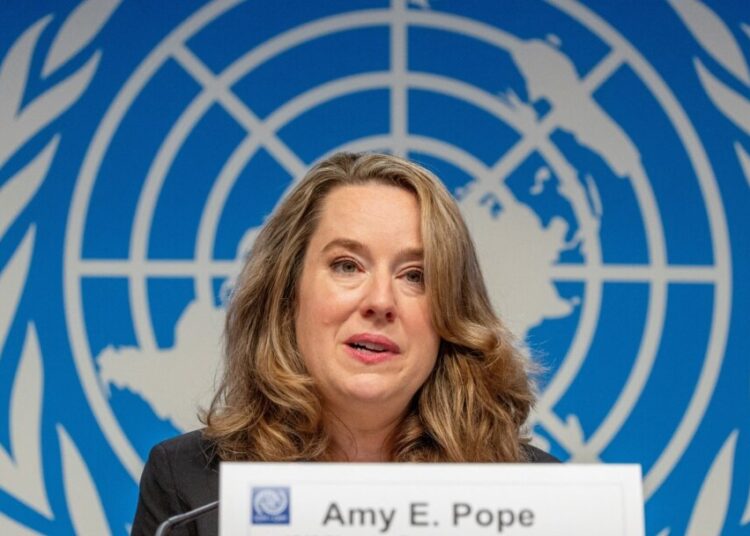
IOM Director General Amy Pope stressed that the growing gap between climate risks and adaptation efforts is leaving vulnerable communities increasingly exposed to storms, floods, droughts and other climate-related disasters.
“No one wants to leave their home. People want to stay safe and go back when they can, and we know what works: early warnings save lives, stronger homes hold up, and healthy land and water keep people on their feet.”
Amy Pope
“But this takes long-term investment, not quick fixes after disaster strikes. What’s missing is investment at the scale needed. Every year we wait, more families lose everything. That’s why COP31 must deliver,” she added.
According to IOM, nearly 29.9 million disaster-related displacements were recorded worldwide in 2025, following storms, floods and other disasters.
Data from the Internal Displacement Monitoring Centre (IDMC) also indicates that storms alone triggered 17.9 million displacements in 2025, accounting for a significant proportion of the global total.
The Philippines experienced particularly severe impacts, with typhoons and floods accounting for more than a third of all disaster-related displacements recorded worldwide. Although many of these movements involved evacuations that helped protect lives, repeated exposure to extreme weather continues to place pressure on vulnerable communities.
The numbers show a more general trend of increasing displacement due to climate change. Disasters caused 45.8 million displacements globally in 2024, the greatest annual number ever documented.
IOM Highlights Growing Climate Adaptation Financing Gap
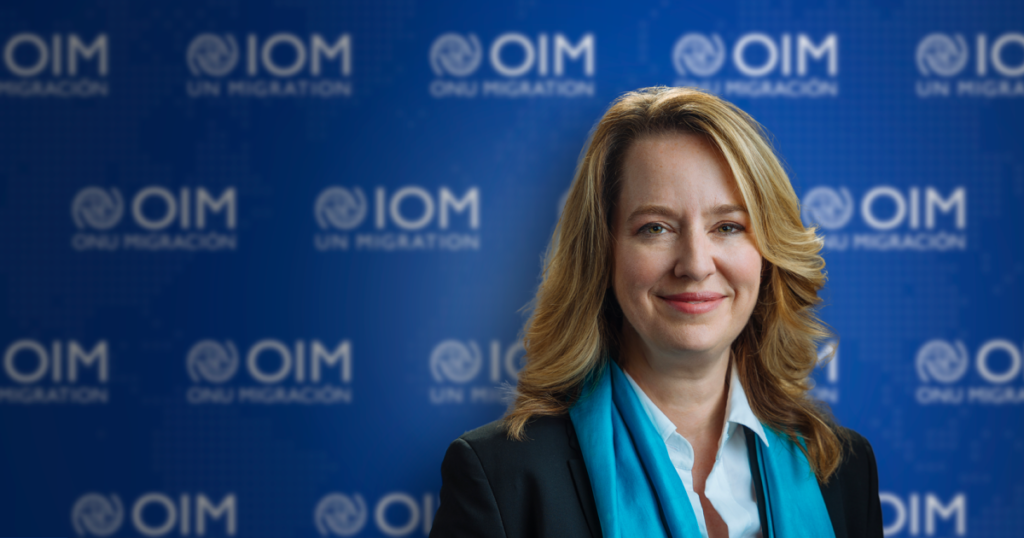
Moreover, IOM Director General warned that inadequate investment in climate resilience leaves communities with limited options when disasters strike, often forcing them into crowded urban centres and informal settlements where they remain exposed to environmental and socioeconomic vulnerabilities.
“This gap has a human cost. When communities cannot protect themselves, the next flood or drought pushes more people out. Many end up in crowded cities or informal settlements, where they face the same risks again. Moving entire communities must remain a last resort.”
Amy Pope
Despite the increasing scale of climate-related displacement, funding for adaptation remains significantly below the levels required to protect vulnerable populations.
The United Nations Environment Programme (UNEP) estimates that developing countries will require between US$310 billion and US$365 billion annually for climate adaptation by 2035.
However, international public adaptation finance reached only US$26 billion in 2023, declining from US$28 billion in the previous year. The available financing therefore represents less than one-twelfth of the estimated annual requirements.
Against this backdrop, IOM is urging governments, development banks, climate funds and private sector institutions to increase investment in locally led adaptation and climate resilience initiatives.
The organisation maintains that climate financing, including funding for loss and damage, must become more predictable and accessible, with resources reaching local governments, community organisations and frontline institutions rather than remaining concentrated at national levels.
IOM also emphasised the need to move away from short-term humanitarian interventions towards sustained investments that strengthen communities before disasters occur.
Since 2020, the organisation has launched more than 500 climate mobility projects across 80 countries, with over 200 currently active. Its Risk Index for Climate Displacement also provides governments with evidence to identify populations most vulnerable to climate-related displacement, supporting the development of locally led interventions and investment plans that can attract financing.
Local Adaptation and Migrant Contributions Key to Climate Resilience
Also, IOM is advocating community-driven adaptation strategies that strengthen the ability of vulnerable populations to withstand environmental shocks and reduce the need for forced displacement.
Its interventions include restoring degraded land, improving access to reliable water supplies and strengthening homes and infrastructure against extreme weather conditions.
The organisation’s Climate Mobility Innovation Labs also support the development of locally generated ideas into practical solutions that can attract funding and be implemented on a wider scale.
With COP31 designated as the implementation-focused climate conference, IOM is urging participating governments and international partners to translate climate commitments into practical investments that address the needs of communities already experiencing the consequences of environmental change.
READ ALSO: World Bank’s $9.4 Trillion Debt Warning Threatens Ghana’s Debt Recovery Efforts