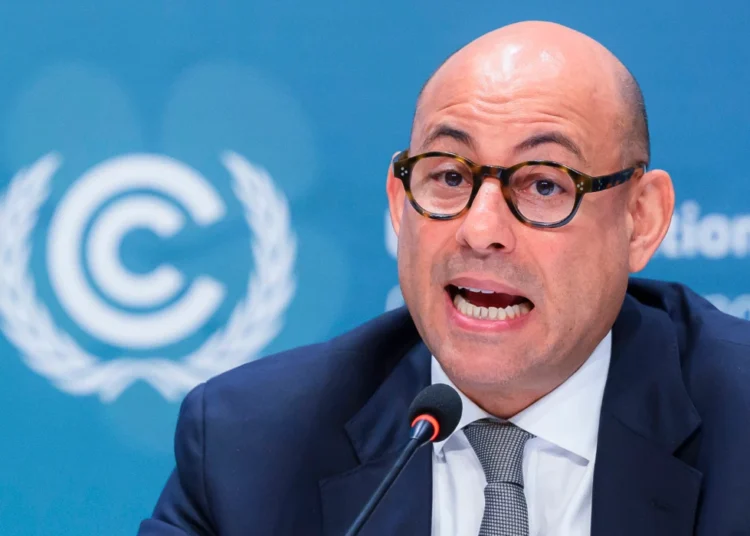
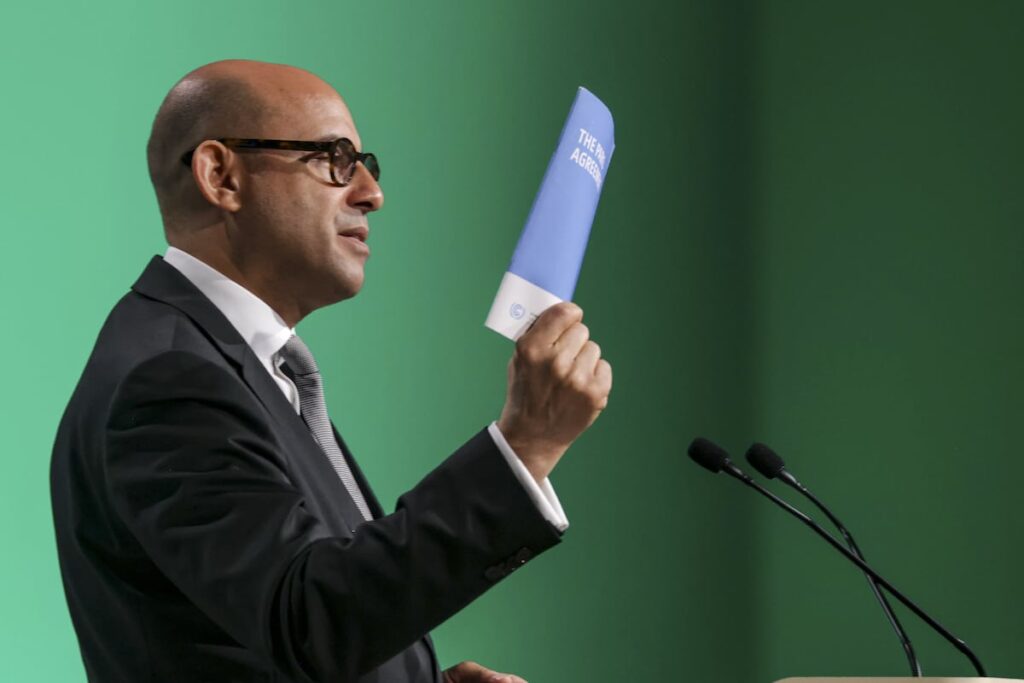
United Nations Climate Chief, Simon Stiell, has challenged countries to translate their climate commitments into practical solutions, urging governments to accelerate renewable energy deployment, strengthen adaptation financing and reduce methane emissions as the UN Climate Change Conference (COP31) opens in Antalya, Türkiye.
Addressing the opening session, the UN Climate Change Executive Secretary stated that “COP31 must supercharge solutions. Breaking down existing global targets and national plans into component steps. And landing practical solutions”
“Solutions to deliver on the tripling of finance for adaptation as agreed last year. Solutions to tackle the immense frustration countries face in accessing committed, available finance. Solutions to triple global renewables capacity by 2030.”
Simon Stiell
Simon Stiell acknowledged that previous climate conferences had helped establish global targets, shape political commitments and influence investment decisions, pointing to the growing competitiveness of renewable energy as evidence of progress.
He noted that “90 per cent of large renewable energy projects are now cheaper than fossil fuel alternatives,” while climate adaptation is increasingly becoming a central component of development planning.
However, he maintained that existing progress remains insufficient to address the scale and urgency of the climate crisis, calling for stronger implementation across different sectors and economies.
Among the priorities outlined by the UN Climate Chief are delivering the commitment to triple adaptation finance, improving access to already-committed climate funding, tripling global renewable energy capacity by 2030 and expanding electricity transmission across national borders.
UN Climate Chief also highlighted the need to accelerate reductions in methane emissions, particularly across the oil and gas and waste sectors, adding that it will be “able to cut half a degree from projected global heating.”
He further urged countries to strengthen cooperation through the COP31 Action Agenda, which seeks to mobilise governments, businesses and other stakeholders around practical climate solutions.
According to Simon Stiell, the initiative should complement formal negotiations rather than provide countries with an alternative to fulfilling their existing climate commitments.
UN Climate Chief Warns of Growing Climate Injustice
In addition, the UN Climate Chief has also cautioned that worsening climate impacts are exposing vulnerable communities to increasingly severe economic and humanitarian consequences, reinforcing the need to place fairness at the centre of global climate cooperation.
“The urgency of this moment must drive us forward. Global heating is already costing the Earth: Appalling tragedy has hit the Himalayas, adding to the ever-expanding catalogue hitting communities across every region. A monster El Niño is piling fuel on the climate fire that’s already burning through communities and economies everywhere.”
Simon Stiell
He added, “Profound injustice threatens our solidarity and collective progress. Frustration is palpable. Fairness must be at the heart of a truly global shift to clean energy and resilience. Because it is right. And because it serves every country’s interests: to limit global heating and protect every community and every economy.”
The UN Climate Chief also pointed to the economic consequences of fossil fuel price volatility, which has increased pressure on households and contributed to inflation in several parts of the world.
He stated that expanding renewable energy and investing in climate adaptation offer practical ways to reduce these vulnerabilities, noting that global renewable energy deployment saved approximately half a trillion dollars last year and another $265 billion in the first half of 2026.
COP31 Pushes Implementation as Climate Finance Gaps Persist
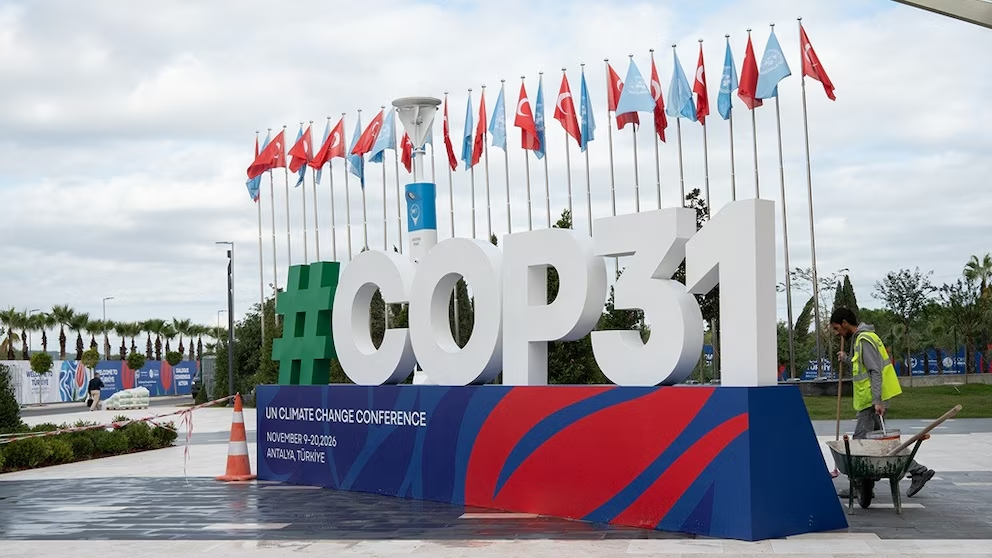
Meanwhile, COP31 is taking place under the Presidency of Environment, Urbanisation, and Climate Change Minister Murat Kurum, with Australia’s Climate Change and Energy Minister Chris Bowen leading the negotiations.
Addressing the opening session, COP31 President noted that “Climate policy today is also development policy. It is food policy. Energy policy. Urban policy. Health policy.”
He expressed Türkiye’s ambition to make COP31 an “Implementation COP,” guided by dialogue, consensus and practical action to close the gap between international commitments and their impact on people’s lives.
“This is Antalya’s call: let dialogue grow as divisions deepen. Restore trust where it is under strain. Put resources to work as needs grow. Close the gap between our promises and people’s lives.”
Murat Kurum
Murat Kurum also introduced the 35-by-35 Global Electrification Pledge, which seeks to increase electricity’s share of global final energy consumption to 35 per cent by 2035.
He called on countries to fulfil their climate financing commitments, including mobilising at least $300 billion annually for developing countries by 2035, alongside broader efforts to increase global climate finance.
Australian Minister, Chris Bowen, has also warned that global warming would exceed the Paris Agreement’s 1.5°C threshold without urgent and coordinated international action.
READ ALSO: Investors Pour GH¢5bn Into T-bills as Government Beats Target