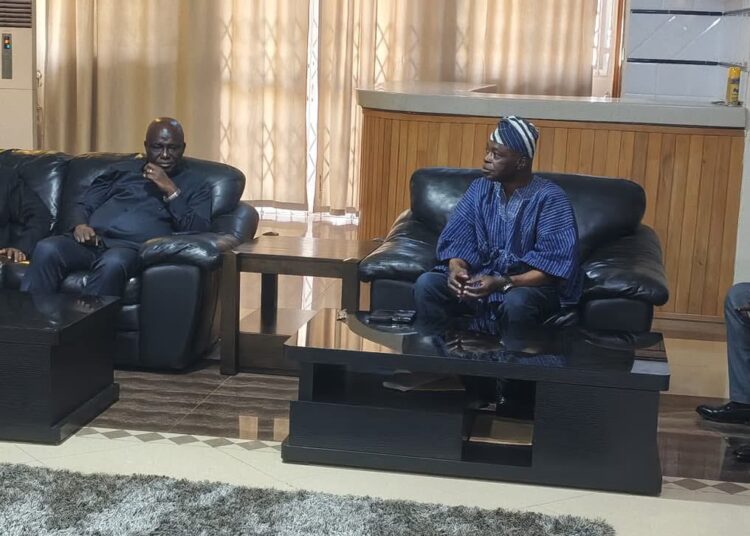
The Minister for Food and Agriculture, Hon. Eric Opoku, has paid a courtesy call on the Northern Regional Minister, Hon. Ali Adolf John, ahead of the official launch of the Regional West Africa Resilient Rice Value Chain Development Project (REWARD-Ghana), as the government intensifies efforts to strengthen rice production and improve agricultural productivity in northern Ghana.
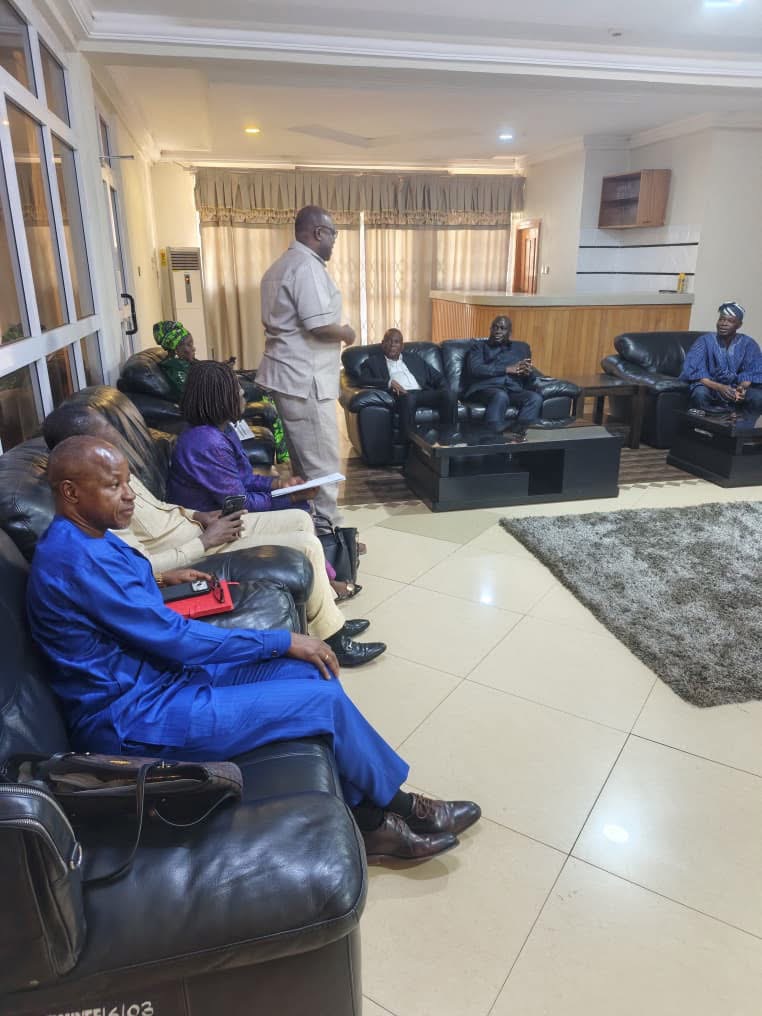
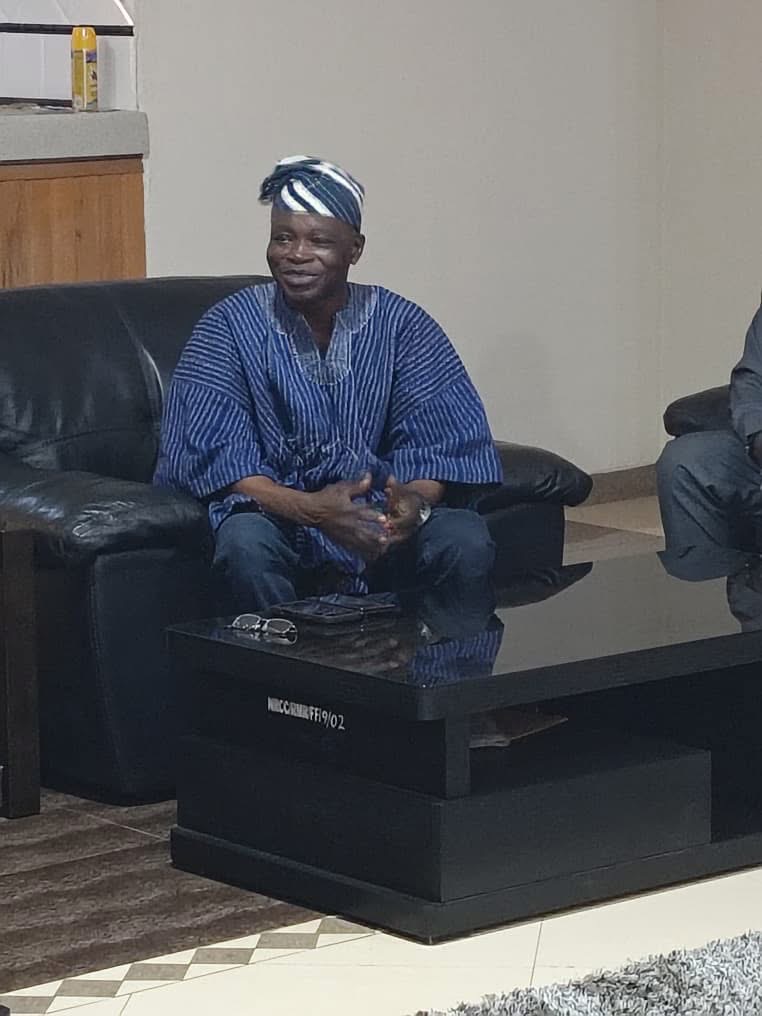
The visit, which took place at the residence of the Northern Regional Minister, formed part of stakeholder engagements to brief regional leadership and strengthen institutional collaboration ahead of the project’s implementation.
Hon. Opoku was accompanied by the Chief Director of the Ministry of Food and Agriculture, Mr. Paul Siameh, and other officials of the Ministry.
“The overall goal of REWARD is to increase rice production in order to contribute to industrialisation, youth employment and food security.”
Ministry for Food and Agriculture
The engagement highlighted the importance of involving regional authorities in agricultural interventions that require coordination among government institutions, farmers, traditional authorities and private sector stakeholders.
The REWARD-Ghana initiative is designed to address structural challenges within the country’s rice industry, particularly low productivity, inadequate processing capacity, climate related production risks and dependence on imported rice.
Regional Collaboration Critical to Implementation
The Northern Region occupies a strategic position in Ghana’s agricultural economy, with considerable potential for rice cultivation and other food crops.
However, unlocking this potential requires coordinated investments in agricultural infrastructure, improved production technologies, access to quality inputs and reliable market systems.
Engagements with regional authorities are therefore important in ensuring that project activities are aligned with local development priorities and that the relevant institutions are prepared to support implementation.
The involvement of the Northern Regional Minister also provides an opportunity to strengthen coordination between the Ministry of Food and Agriculture and the regional administration on matters relating to land access, farmer mobilisation, community participation and the delivery of agricultural services.
According to the Ministry’s project documentation, REWARD-Ghana will focus on selected rice producing districts across the Northern, North-East, Savannah and Upper West regions.
The programme is expected to support the development of climate-resilient rice production systems while improving farmers’ access to agricultural inputs, mechanisation and technical knowledge.
“The project seeks to increase rice productivity and production, thereby increasing incomes for farmers, particularly women and young people.”
Ministry for Food and Agriculture
Such interventions are significant for northern farming communities, where agriculture remains an important source of household income and employment.
Also, strengthening rice production could also create opportunities for young people and women to participate in activities beyond cultivation, including seed production, harvesting, transportation, processing, packaging and distribution.
$18.8m Investment Targets Rice Production
The African Development Bank (AfDB) has provided an $18.8 million grant to support the implementation of REWARD-Ghana through the Ministry of Food and Agriculture.
The investment is expected to address production and post-harvest constraints while improving the competitiveness of locally produced rice.
The data presented by the Ministry indicate that Ghana’s milled rice production increased from approximately 650,000 metric tonnes to 900,000 metric tonnes in 2024 and 960,000 metric tonnes in 2025.
Despite this growth, domestic production currently meets only about 56 per cent of national rice demand, leaving a substantial supply gap to be covered through imports.
Ghana is estimated to spend between $320 million and $500 million annually on rice imports, placing pressure on foreign exchange resources and exposing the domestic market to international supply and price fluctuations.
The government has consequently established a target of achieving rice self-sufficiency by 2028, with a projected paddy production target of 3.31 million metric tonnes.
“Local production currently meets only about 56 per cent of national demand, leaving a significant deficit that is met through imports.”
Minister for Food and Agriculture
Under REWARD-Ghana, approximately 3,200 hectares of land are expected to be developed for rice cultivation within the Northern Savannah Ecological Zone.
The project also seeks to increase average rice yields from 3.5 to 4.5 metric tonnes per hectare through improved seeds, mechanisation and better farming practices.
More than 20,000 smallholder farmers are expected to benefit directly from the interventions across selected districts.
These investments are intended to improve the availability of locally produced rice while strengthening the capacity of farmers to respond to changing weather conditions and other production related challenges.
Processing and Markets Remain Key Priorities
The success of REWARD-Ghana will depend on addressing weaknesses across the rice value chain, particularly processing, storage and market access.
In Ghana, post-harvest losses, limited access to modern processing equipment and inconsistent grain quality have historically affected the competitiveness of locally produced rice against imported alternatives.
The project therefore incorporates interventions to support rice processors, strengthen selected seed centres and equip 10 strategically located rice processing centres.
It will also provide hermetic storage facilities to help reduce post-harvest losses and improve the preservation of harvested rice.
These measures are expected to strengthen the relationship between farmers, processors, traders and other private sector participants, creating a more coordinated domestic rice industry.
“The project aims to increase the marketing and intra-regional trade of rice while strengthening the resilience and adaptive capacities of rice farms and production systems.”
Ministry for Food and Agriculture
The courtesy engagement between Hon. Eric Opoku and Hon. Ali Adolf John therefore forms part of the institutional preparations surrounding the project’s rollout.
As REWARD-Ghana moves towards implementation, effective coordination between national and regional authorities, transparent resource management and active participation by beneficiary communities will be important in translating the project’s objectives into measurable agricultural outcomes.
READ ALSO:Ghana Nears End of Debt Nightmare as Bilateral Deals Reach 16