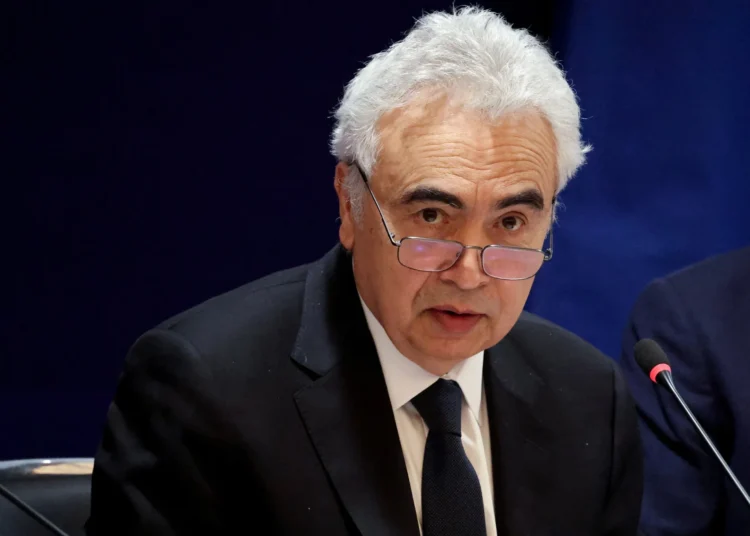
Executive Director of the International Energy Agency (IEA), Fatih Birol, has described the current global energy transition as the beginning of an “age of electricity,” driven by rising demand, technological advances and efforts to strengthen energy security.
IEA Chief, Fatih Birol, projects that global electricity generation capacity will expand by more than twice the amount added over the previous decade, as countries accelerate electrification to reduce their exposure to volatile fossil fuel prices and supply disruptions, including those associated with the Iran war.
Speaking on the sidelines of the COP31 climate summit in Antalya, Türkiye, Fatih Birol pointed to the substantial increase in electricity generation capacity worldwide over the last decades.
“One staggering number is that in the last 10 years, the world has added about 5,000 gigawatts of electricity. And we expect, in a very conservative way, in the next 10 years, about 12,000 gigawatts, more than two times more than what we had in the last 10 years.”
Fatih Birol
Electricity Demand Set for Rapid Expansion
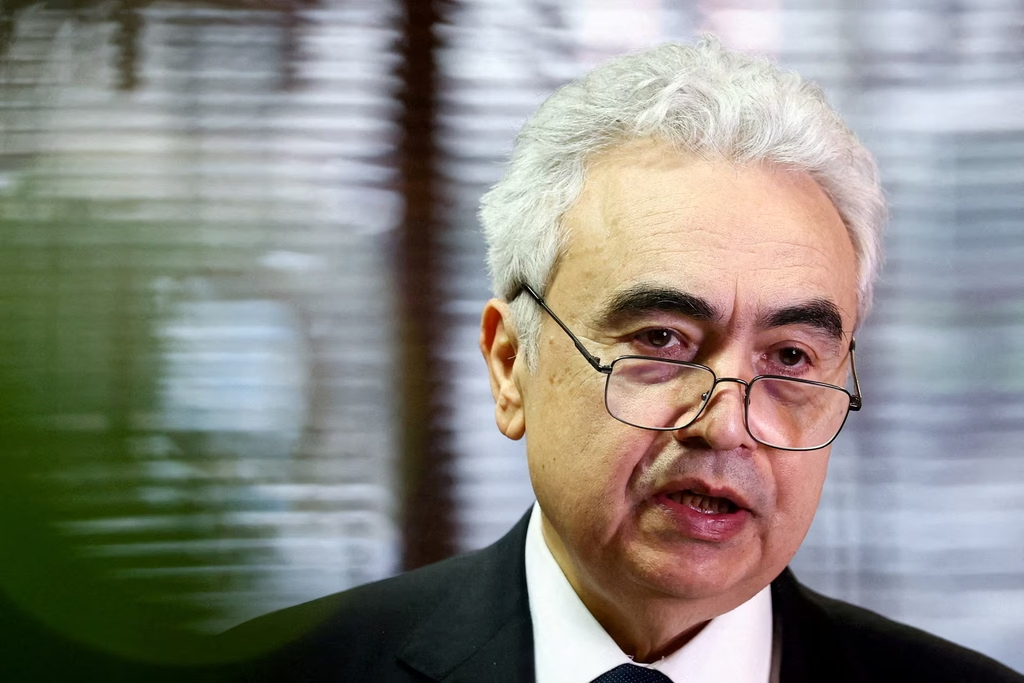
The expansion of electricity generation is indicative of changing global energy priorities, with governments increasingly adopting electrification to support emissions reduction targets and enhance domestic energy security.
At COP31, where representatives from 185 countries are meeting in Antalya, a proposal to increase electricity’s share of global final energy consumption to 35% by 2035 has emerged as a key issue under consideration.
Electricity currently accounts for approximately one-quarter of global final energy consumption, while fossil fuels supply the remaining three-quarters, largely through transport, heating and industrial activities.
However, the IEA Chief anticipates that electricity generated from renewable sources will account for an increasingly significant share of global energy production as electrification gathers pace over the coming decades.
AI, Electric Vehicles and Air Conditioning Fuel the Shift
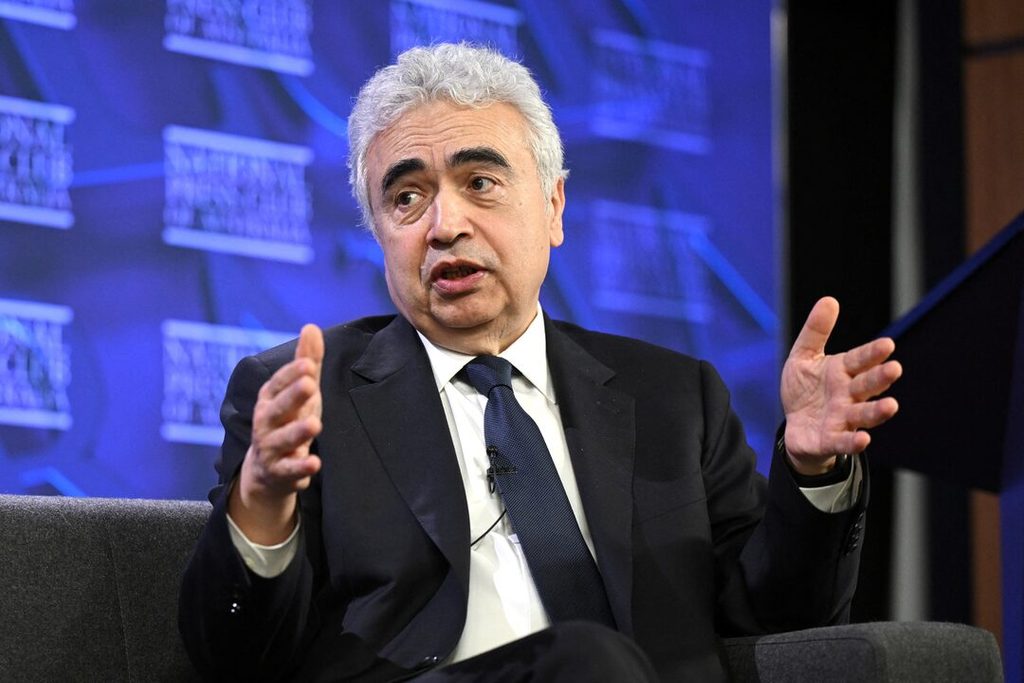
According to Fatih Birol, artificial intelligence (AI), electric transportation and the increasing need for air conditioning are contributing significantly to the growth in electricity demand.
The rapid development of AI infrastructure and data centres is increasing the need for reliable electricity supplies, while the growing adoption of electric vehicles is changing energy consumption patterns across the transport sector.
Outside China, electric car sales have increased by 60 percent over the past nine months, according to the IEA.
Fatih Birol noted that electric vehicles accounted for approximately five percent of cars sold five years ago, compared with an expected one-third of global sales this year.
Electric trucks are also beginning to enter the market, a development expected to displace a significant volume of oil consumption as transport systems become increasingly electrified.
Air conditioning, however, represents the largest of the three drivers in terms of electricity demand, particularly as rising global temperatures intensify the need for cooling.
Birol pointed to significant differences in access to air conditioning across countries, noting that approximately 90% of households in the United States have access to the technology, compared with fewer than 20% in India and about 5% in Nigeria.
He explained that rising temperatures, combined with improving household incomes, would encourage more people to purchase air conditioners, further increasing electricity consumption.
“The reason is there are three major drivers for electrification: one is AI and data centres; second is the electrification of the transportation sector; and third, the most important one in terms of volume, is air conditioning. Air conditioners are growing explosively.”
Energy Security and Affordability Shape Transition

In addition to supporting climate action, the Executive Director of the International Energy Agency noted that electrification could improve energy security by allowing countries to reduce fossil fuel imports and meet a greater share of their electricity needs through domestic production.
“Global energy demand is growing strongly, but global electricity demand is growing three times faster than total energy demand. And it is impossible to stop it. The one and only issue is making electricity affordable for people.”
Fatih Birol
Using the United Kingdom as an example, the IEA Chief attributed the country’s relatively high electricity prices largely to its dependence on imported natural gas, arguing that fluctuations in gas prices have contributed directly to higher electricity costs.
He maintained that expanding domestic renewable electricity generation, rather than increasing gas imports, would provide a more sustainable response to the country’s energy cost challenges.
Meanwhile, the proposed global electrification target faces potential political obstacles, as countries including Saudi Arabia and Russia are reportedly opposed to the resolution. Under the UN climate process, decisions generally require consensus, allowing a small number of countries to prevent an agreement.
Fatih Birol, however, expressed confidence that the transition would continue even if the proposal failed to secure approval at COP31, given the economic, technological and energy security factors driving the shift.
READ ALSO: 2027 Budget Promises Fair Pay Through Independent Emoluments Commission