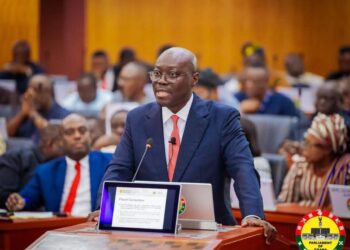
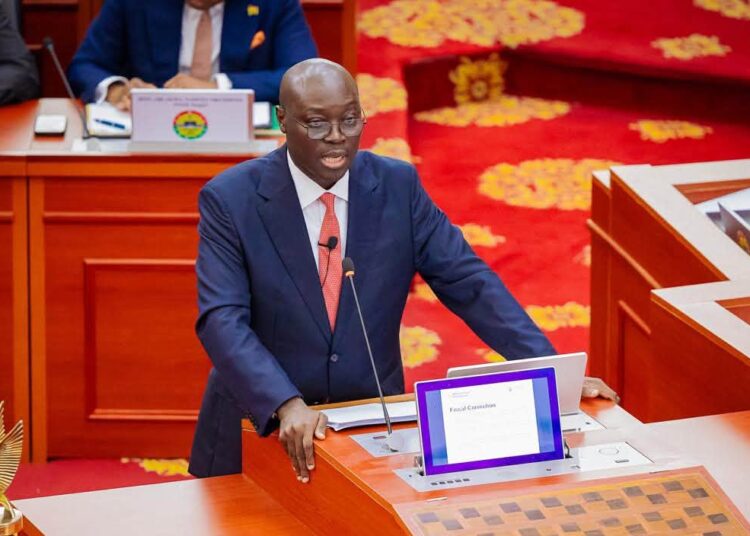
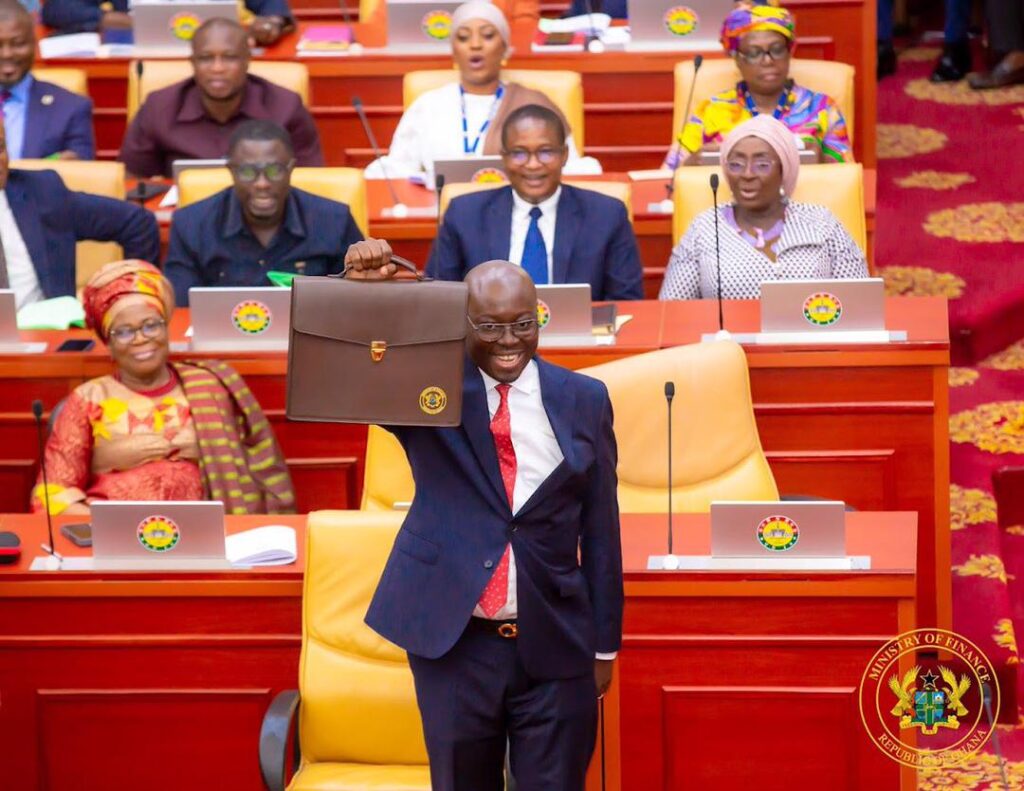
Minister for Finance, Dr. Cassiel Ato Forson, has announced that the Ghana Integrated Aluminium Development Corporation (GIADEC) will prioritize securing parliamentary ratification for the Nyinahin mining lease alongside critical Environmental Protection Agency (EPA) permits in 2027.
Presenting the 2027 Budget Statement and Economic Policy to Parliament, Dr. Forson emphasized that these regulatory clearances represent the decisive gateway to unlocking upstream bauxite operations.
By clearing these legislative and ecological hurdles, the administration intends to lay the legal foundation necessary to attract high-value capital into the country’s nascent aluminium sector.
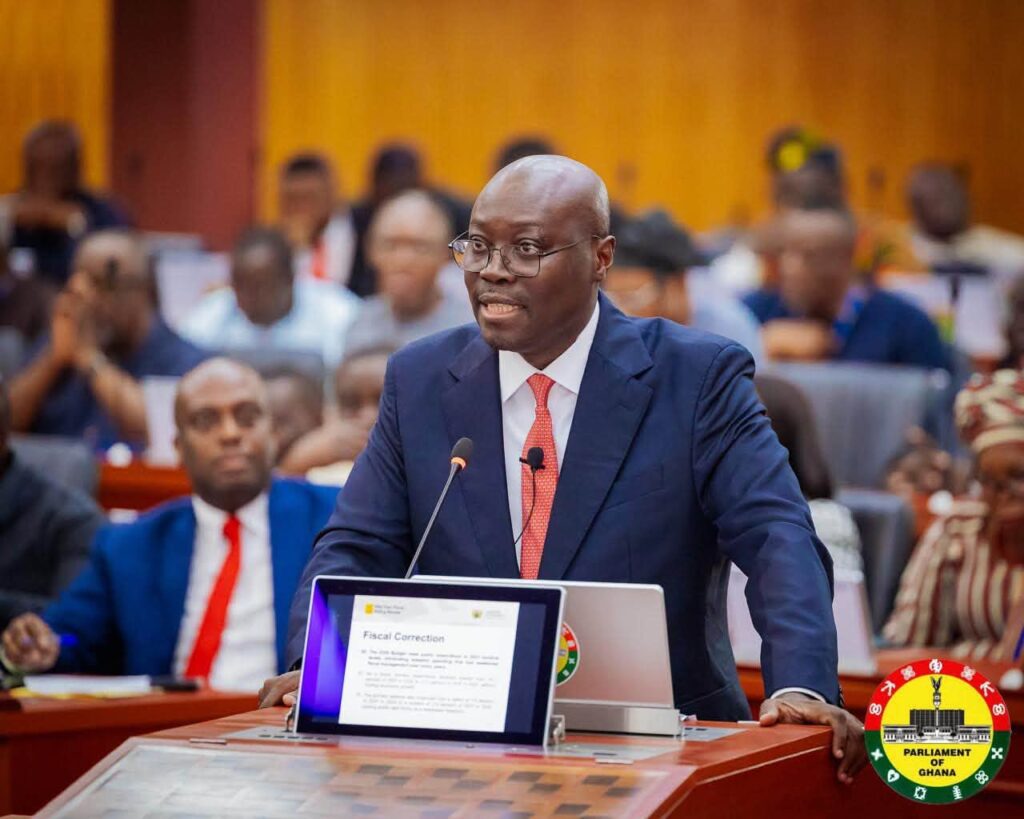
“Mr. Speaker, in 2027, Ghana Integrated Aluminium Development Corporation (GIADEC) will focus on securing parliamentary ratification for the Nyinahin mining lease and obtaining the necessary environmental permits from the Environmental Protection Agency. The primary objective is to secure strategic equity investments to modernize and expand VALCO, ensuring its integration into the full aluminium value chain and its long-term viability as a cornerstone Of Ghana’s industrial economy.”
Dr. Cassiel Ato Forson
Expanding on the government’s broader industrial blueprint, the Finance Minister explained that the regulatory drive is directly tied to overhauling the Volta Aluminium Company (VALCO).
The administration’s core ambition is to court strategic equity partners capable of injecting the capital and technical expertise required to retool and scale up the Tema-based smelter.
Integrating a revitalized VALCO into a domestic supply chain linking raw bauxite extraction to local refining and smelting is projected to anchor the facility’s commercial sustainability and cement its role as a pillar of Ghana’s manufacturing base.
Unlocking Ghana’s Massive Bauxite Endowment
For decades, Ghana’s extractive sector has struggled with a structural paradox: sitting atop roughly 900 million metric tonnes of commercial-grade bauxite while exporting raw ore for pennies on the dollar.
Industry data indicates that the Nyinahin-Mpasaaso enclave in the Ashanti Region holds the lion’s share of this wealth, accounting for an estimated 700 million tonnes of the nation’s total reserves, far outstripping deposits at Kyebi and Awaso.
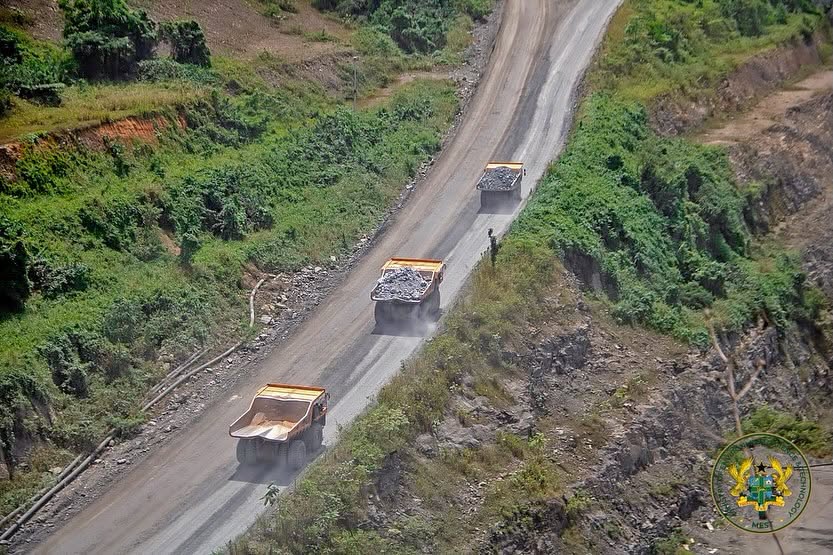
Without legislative approval of the Nyinahin lease under Article 268 of the 1992 Constitution, large-scale commercial extraction cannot legally proceed, stalling the upstream feedstock required to justify multi-billion-dollar refinery investments.
Parallel to parliamentary approval, securing EPA clearance remains non-negotiable for de-risking the project for international financiers.
Modern global capital increasingly demands strict adherence to Environmental, Social, and Governance (ESG) benchmarks before committing funds to greenfield mining ventures.
As GIADEC Chief Executive Officer Reindorf Twumasi Ankrah previously observed regarding the corporation’s competitive edge, “While several African nations have bauxite deposits, none has achieved full integration of the aluminium value chain. Our goal is to make Ghana the first“.
Obtaining rigorous environmental permits ensures that extraction in Nyinahin balances ecological preservation with industrial ambition, shielding the project from regulatory bottlenecks and community pushback.
Retrofitting VALCO to Bridge the Value Chain
At the heart of the 2027 fiscal strategy is solving the midstream and downstream disconnect that has crippled VALCO for years.
Commissioned in the 1960s to operate five potlines with a nameplate capacity of 200,000 metric tonnes per annum, the Tema smelter has long operated at a fraction of its potential due to obsolete technology, high power tariffs, and reliance on imported alumina.
Relying on foreign alumina severely erodes profit margins, turning what should be a flagship industrial asset into a fiscally constrained operation.
Bringing in strategic equity investors while preserving sovereign national interest offers a pragmatic exit from this quagmire. Capital injections from experienced global industry players will fund the retrofitting of VALCO’s aging smelting pots, improve energy efficiency, and expand production capacity.
Once linked to a domestic alumina refinery fed by Nyinahin bauxite, VALCO will cease operating in isolation. Instead, it will function as the central engine converting local alumina into primary aluminium ingots, billets, and wire rods for domestic downstream manufacturers.
Catalyzing Industrialization and Import Substitution
The macroeconomic imperative behind Dr. Forson’s 2027 roadmap extends far beyond mining royalties.
Ghana currently spends substantial foreign exchange importing roughly 45,000 tonnes of downstream aluminium products annually ranging from roofing sheets and electrical cables to packaging materials and automotive components.
Establishing a fully integrated aluminium value chain directly addresses this trade imbalance through aggressive import substitution.
Furthermore, the multiplier effects across supporting infrastructure including rail haulage upgrades, port expansion at Takoradi and Tema, and reliable energy generation promise to generate thousands of direct and indirect jobs.
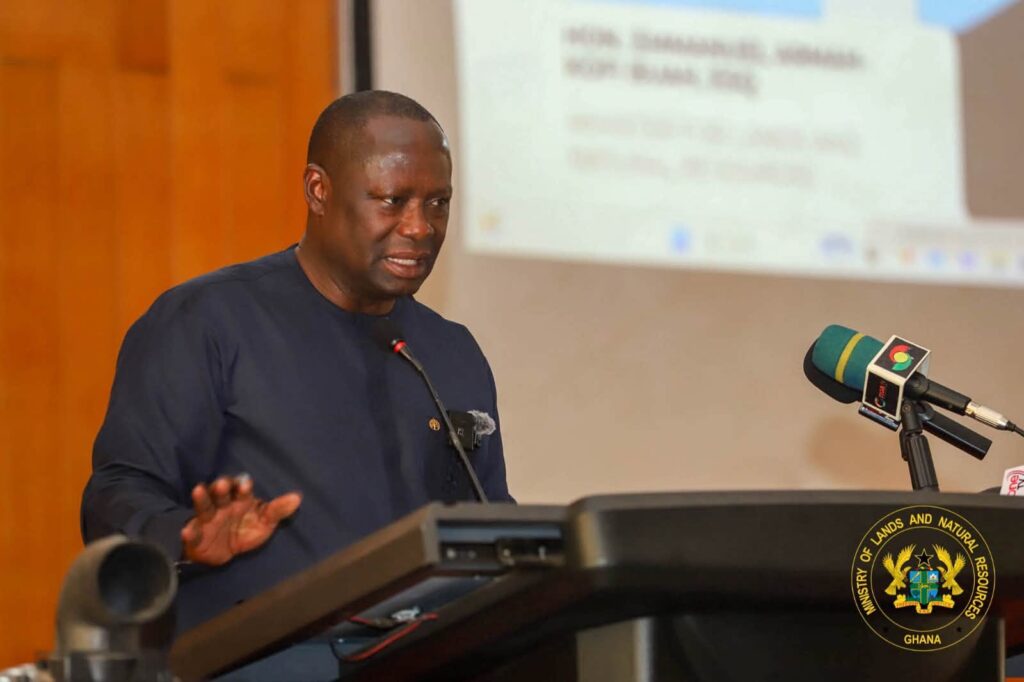
Echoing the administration’s resolve to see these foundational projects through, Minister for Lands and Natural Resources Emmanuel Armah-Kofi Buah has maintained that “Ghana must rise to the occasion so future generations benefit from the decisions we make today”.
By aligning parliamentary ratification, environmental compliance, and strategic equity mobilization in 2027, Accra is signaling to global markets that its integrated aluminium agenda is finally moving from policy blueprints to bankable execution.
READ ALSO: 2027 Budget Allocates GH¢3.18bn for Housing, Water and Coastal Protection