Ghana’s decision to commit US$200 million to a 24-month nuclear-readiness programme marks a significant step in its long-standing ambition to introduce nuclear power into the national electricity mix. However, the programme announced in the 2027 Budget is not a commitment to begin generating nuclear electricity by 2028.
It is intended to prepare the country to reach the technical, regulatory, environmental and financial standards required to sign a contract for a fully state-owned nuclear power plant.
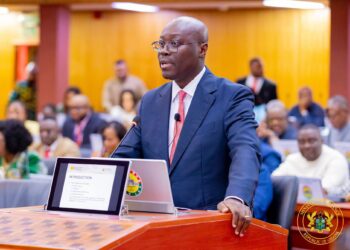
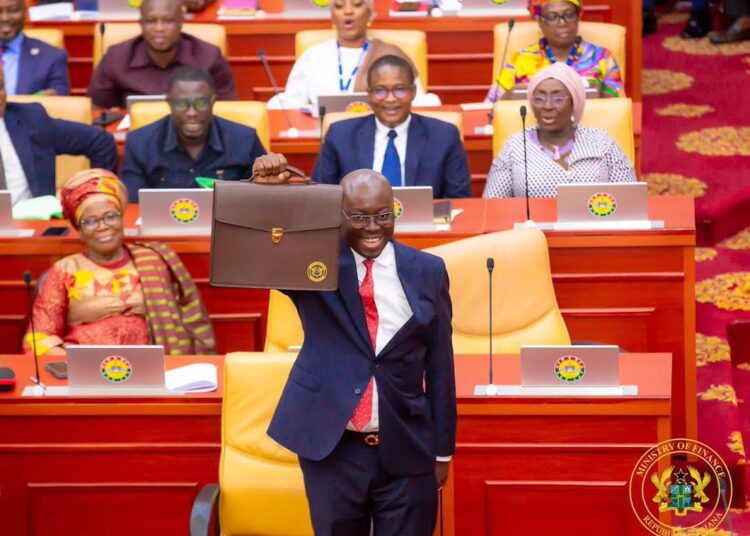
Finance Minister Dr Cassiel Ato Forson told Parliament on November 12, 2026, that the programme would run from January 2027 to December 2028.
Government’s target is to complete the necessary readiness activities and sign an engineering, procurement, construction and financing contract by December 2028.
The programme will also involve training more than 2,000 scientists to develop local expertise for the safe and reliable operation of nuclear power facilities.
The announcement places nuclear energy within the government’s broader US$2.2 billion energy infrastructure pillar under the New Economy Programme.
It also signals a policy direction in which the state intends to retain ownership of the proposed nuclear facility while relying on international partners for technology, financing, engineering and specialist services.
Readiness Is Not The Same As Generation
One of the most important aspects of the budget announcement is the distinction between nuclear readiness and the commencement of power generation.
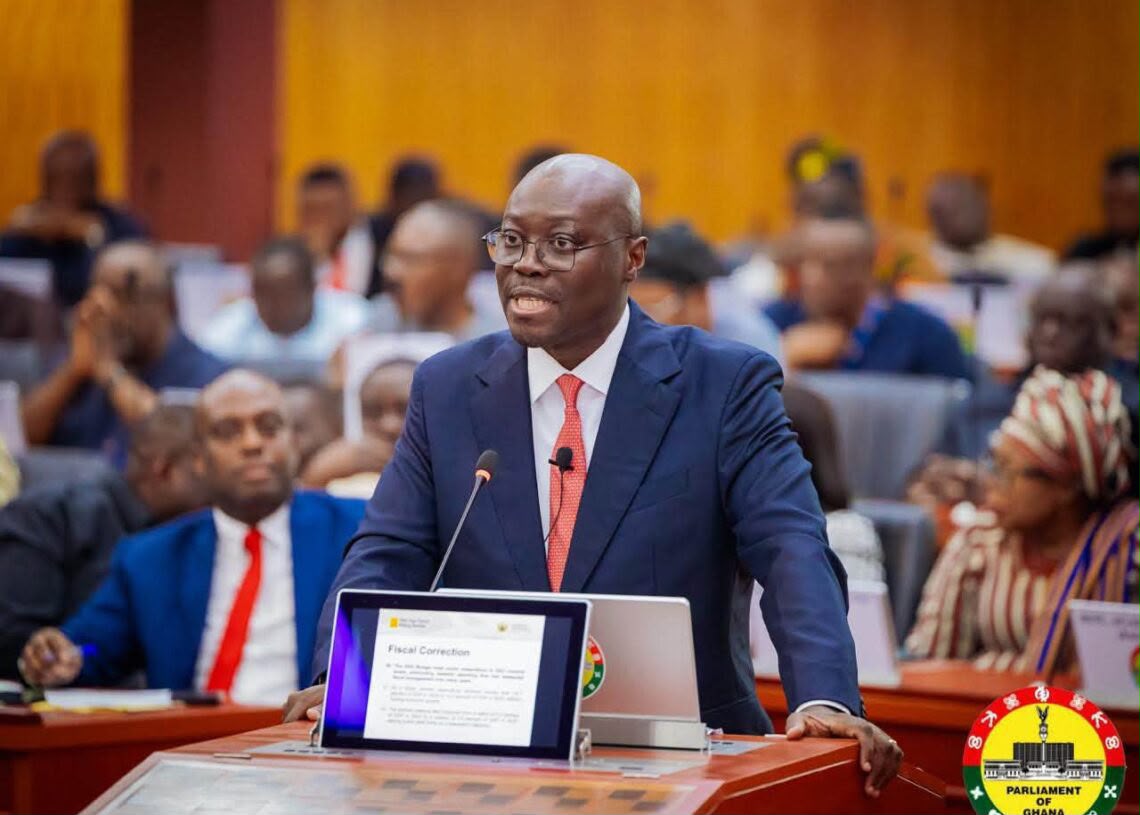
Dr Forson clarified this point in Parliament:
“Nuclear power readiness in 2028 does not mean nuclear power generation in 2028.”
The Minister explained that the readiness programme would cover site studies, technology selection, environmental assessment, financing, licensing preparations, safeguards, emergency planning and the safety case required before an investment decision can be implemented.
These are essential stages in nuclear development. A country cannot responsibly move from a political commitment to construction without first establishing that the proposed site is suitable, the technology is appropriate, the regulatory system is independent and capable, and the financial and safety requirements can be met.
The distinction is particularly important for public expectations. Signing an engineering, procurement, construction and financing contract by the end of 2028 would represent a major project milestone, but it would not mean that the plant would be completed or supplying electricity at that time.
Nuclear power projects generally involve long development and construction periods. Their implementation requires sustained regulatory supervision, specialised engineering, secure fuel arrangements, emergency preparedness and long-term waste management.
The budget does not specify the proposed plant’s generating capacity, location, reactor technology, construction period or expected commissioning date. Those details will be central to evaluating the project’s eventual contribution to Ghana’s electricity supply.
Building Local Expertise Is Central
The planned training of more than 2,000 scientists is a significant part of the readiness programme because nuclear energy requires a specialised workforce extending beyond the operation of a power plant.
The development of local expertise will be necessary in nuclear engineering, radiation protection, reactor physics, nuclear safety, environmental monitoring, emergency response, regulation and radioactive waste management.
Ghana will also need specialists capable of assessing the technical and commercial proposals submitted by international vendors. Without adequate domestic expertise, the country could become heavily dependent on external contractors for decisions that have long-term implications for national safety and public finances.
The Finance Minister stressed that the proposed plant would remain a strategic national asset and would not be developed as an independent power producer project. He said international partners would provide technology, financing, engineering and specialist services.
This arrangement could give Ghana greater control over a strategic electricity asset, but state ownership will also mean that government must take responsibility for ensuring that the project is properly financed, regulated and managed.
Training 2,000 scientists is an important target, but the programme will need to explain how the trainees will be selected, where they will receive training, which institutions will employ them and how their expertise will be retained within Ghana’s nuclear programme.
The value of the training should be measured by the development of a competent national workforce and institutions, not simply the number of people who complete courses.
Safety And Independent Regulation
Nuclear power requires a regulatory system capable of operating independently and enforcing strict safety standards.
Ghana must demonstrate that its regulatory institutions have the legal authority, technical expertise and financial resources to assess nuclear facilities, inspect operations and enforce compliance throughout the plant’s life.
The readiness programme will therefore need to strengthen regulatory capacity alongside the training of scientists and engineers. It must also address emergency planning, radiation monitoring, physical security, safeguards and radioactive waste management.
The International Atomic Energy Agency’s framework for nuclear development places strong emphasis on establishing the necessary legal, regulatory and institutional infrastructure before a country proceeds with a nuclear power programme.
Ghana’s programme will need to show how its existing institutions will meet these requirements and whether additional legislation, regulatory structures or technical resources will be necessary.
Public confidence will also matter. Communities around any proposed site will require transparent information about safety, environmental impacts, emergency arrangements and the long-term management of radioactive waste.
These are not issues that can be addressed only after construction begins. They must form part of the readiness process and influence the choice of technology and location.
Financing And The Long-Term Cost
The US$200 million readiness allocation is only one part of the financial commitment that nuclear development could eventually require.
The budget does not disclose the expected capital cost of the proposed nuclear power plant, the financing structure, the anticipated debt exposure or the expected cost of electricity generated by the facility.
Those questions are particularly important given Ghana’s existing electricity sector financial difficulties. The Finance Minister disclosed that the sector recorded an annual shortfall of approximately US$1.4 billion in 2025, while arrears to independent power producers and fuel suppliers stood at about US$1.7 billion.
The IMF has repeatedly identified energy sector financial imbalances as a source of fiscal risk. A nuclear project must therefore be assessed not only on its ability to provide dependable baseload electricity but also on its affordability and the government’s capacity to manage the long-term financial obligations.
Nuclear facilities can provide large volumes of low-carbon electricity, but their economics depend on construction costs, financing rates, project delays, plant availability, fuel arrangements, maintenance and decommissioning obligations.
A fully state-owned model does not remove these costs. It means that the government must ensure that the risks are properly assessed and transparently managed.
Nuclear Power Within A Diversified Energy Mix
The nuclear programme is also being developed alongside major investments in thermal generation, solar power and battery storage.
Government has announced plans for a 1,450MW thermal power plant and a 600MW solar facility supported by 2,000MWh of battery storage. These projects indicate that Ghana’s future electricity system is expected to rely on several sources rather than nuclear power alone.
The Energy Commission’s 2026 National Energy Statistical Bulletin shows that thermal generation accounted for 68 per cent of Ghana’s electricity generation in 2025, while hydro contributed 31 per cent and other renewables just 0.71 per cent.
Nuclear energy could eventually provide another source of dependable electricity, but it should complement efforts to diversify the generation mix and strengthen renewable energy deployment.
The US$200 million programme will be judged by whether it leaves Ghana with the institutions, skills, regulatory systems and credible financing arrangements needed to make a safe investment decision.
The country’s nuclear ambition has moved into a more defined preparatory phase. But the real measure of progress by December 2028 should not be the signing of a contract alone.
It should be whether Ghana is genuinely prepared to finance, regulate, operate and safely manage a nuclear power plant for generations.
READ ALSO: Ghana Prepares GH¢29bn DDEP Payout and US$590m Eurobond Payment