Category: Innovation

  • $3 Trillion Digital Race Exposes Africa’s Gap

    $3 Trillion Digital Race Exposes Africa’s Gap

    Africa’s participation in the global digital infrastructure boom remains limited despite rapid expansion across the world’s data-centre industry. 

    A new report has revealed that the continent accounts for only 0.6 percent of global data-centre capacity even as worldwide investment in digital infrastructure is projected to approach $3 trillion over the next five years.

    The findings are contained in a new study by the Africa Data Centres Association titled “Data Centres in Africa 2026: The Economic Report.” The report examines Africa’s position within the rapidly expanding global digital infrastructure market and highlights the widening gap between the continent and more developed digital economies.

    While the sector is growing steadily across Africa, analysts say it is still struggling to keep pace with the speed of global expansion. The situation is raising concerns about digital sovereignty, economic competitiveness and Africa’s readiness for artificial intelligence driven growth.

    Global data-centre boom accelerates

    According to the report, the global data-centre industry is undergoing unprecedented growth driven by demand for cloud computing, artificial intelligence workloads and increased digital connectivity.

    The global market was valued at about $243 billion in 2025 and is expected to double by 2032. Analysts attribute the growth to massive investment flows from governments, technology firms and financial institutions seeking to build the infrastructure needed to support the world’s expanding digital economy.

    Estimates from Moody’s and JLL suggest that nearly $3 trillion will be invested globally in data-centre development within the next five years. The United Nations Conference on Trade and Development also reports that data-centre projects accounted for more than one fifth of global greenfield foreign direct investment in 2025.

    The report describes data centres as “digital gold,” reflecting their growing strategic importance in supporting artificial intelligence systems, cloud platforms, financial services and digital public infrastructure.

    Several technological developments are accelerating demand. Cloud adoption continues to move enterprise workloads away from on premise systems while artificial intelligence training and inference workloads are rapidly increasing computing requirements.

    Forecasts cited in the report suggest that artificial intelligence alone could triple global data-centre capacity demand by 2030 and account for roughly 70 percent of incremental growth in the sector. Additional pressure from video streaming services, expanding e-commerce platforms and the growth of Internet of Things devices is further increasing global demand for data infrastructure.

    Africa’s limited share of the global market

    Despite the global surge in investment, Africa’s role in the industry remains relatively small. The United States hosts roughly 45 percent of the world’s data centres while Africa contributes less than one percent of global capacity.

    Currently the continent hosts an estimated 220 to 230 data-centre facilities spread across 38 countries. However, most of this infrastructure is concentrated in only a few regional hubs including South Africa, Egypt, Kenya and Nigeria.

    The African data-centre market is projected to reach about $9.2 billion by 2029. Yet many African countries still rely heavily on offshore hosting services to manage and store digital data.

    Development institutions estimate that a large proportion of data generated within Africa is stored outside the continent, mainly in Europe and North America. This reliance on foreign hosting infrastructure raises concerns about control over sensitive information and the continent’s long term digital independence.

    Data sovereignty concerns grow

    The report argues that data centres have become central to national competitiveness because their ownership and location determine how digital information is governed.

    When data is hosted outside Africa, it falls under foreign legal jurisdictions. This limits the ability of governments to regulate and protect sensitive information while raising questions about digital sovereignty and regulatory autonomy.

    African enterprises and public institutions also rely heavily on global cloud providers such as Amazon Web Services, Microsoft Azure and Google Cloud. Many of the core infrastructure assets supporting these platforms remain located outside Africa.

    Ownership patterns in the sector also present challenges. Although some governments are investing in national data infrastructure, most large carrier neutral data centres and hyperscale campuses across the continent are financed by foreign private equity and operated by international firms.

    At the same time, supply chain vulnerabilities persist. Critical components such as servers, semiconductors and networking hardware are almost entirely imported, exposing African infrastructure development to global trade disruptions and export restrictions.

    Regulation improving but enforcement remains weak

    The report notes that African governments have made progress in developing regulatory frameworks to support the digital economy. More than 40 countries across the continent have enacted data protection laws and established regulatory authorities.

    In addition, 19 African countries have ratified the Malabo Convention, which focuses on cybersecurity and data governance. However, analysts say enforcement capacity often lags behind legislative ambition.

    As a result, the practical impact of these regulations remains limited in many countries, slowing efforts to strengthen digital governance and build investor confidence in the sector.

    Artificial intelligence ambitions raise urgency

    Africa’s digital infrastructure challenge comes at a time when governments and industry leaders are increasingly focusing on artificial intelligence development.

    The report highlights 2025 as the year of the Africa Declaration on Artificial Intelligence, which secured $60 billion in commitments to build AI capabilities across the continent.

    Industry leaders argue that achieving meaningful digital sovereignty will require significant investment in local computing infrastructure and sustainable energy systems that can support high capacity data processing.

    Ayotunde Coker, chief executive officer of Open Access Data Centres (OADC), stressed the importance of expanding Africa’s digital infrastructure.

    “Africa’s digital independence depends on expanding local processing capacity supported by sustainable energy systems and AI infrastructure aligned with regional priorities.”

    Ayotunde Coker

    Infrastructure growth still lagging global pace

    Africa’s data-centre capacity is projected to triple by 2030, reaching approximately 1.2 gigawatts of total IT load. However, global capacity is expected to quadruple during the same period.

    This means that even as Africa expands its infrastructure, the overall global gap could continue to widen.

    Internet access also remains a major barrier to digital growth. A 2025 study cited in the report found that consumers in low income African countries may spend up to 26.4 percent of their average monthly income on internet access.

    Although about 47 percent of Africans are mobile subscribers, only 28 percent actively use mobile internet services. Data consumption levels are also significantly lower than global averages, with sub Saharan Africa recording about 6.7GB of monthly smartphone data usage compared with a global average of 21.6GB.

    However, analysts believe improvements in internet infrastructure could unlock significant growth. The International Finance Corporation estimates that doubling undersea cable capacity could reduce internet prices by between 30 and 50 percent, which could sharply increase data consumption and accelerate demand for local data centres.

    Data centres seen as foundation for digital transformation

    The report concludes that data centres are becoming the backbone of Africa’s digital economy. They support cloud services, artificial intelligence innovation and digital public infrastructure across sectors.

    Their location, ownership structures and integration with energy systems are increasingly shaping Africa’s economic competitiveness.

    Although Africa currently hosts less than one percent of global data-centre capacity, analysts believe the sector is entering a new phase driven by artificial intelligence ready facilities, platform based infrastructure models and diversified financing sources.

    If investment accelerates and digital adoption improves, Africa could begin to close the gap in the global data economy and strengthen its digital sovereignty in the years ahead.

  • Toyota Unveils Ghana’s First Hybrid

    Toyota Unveils Ghana’s First Hybrid

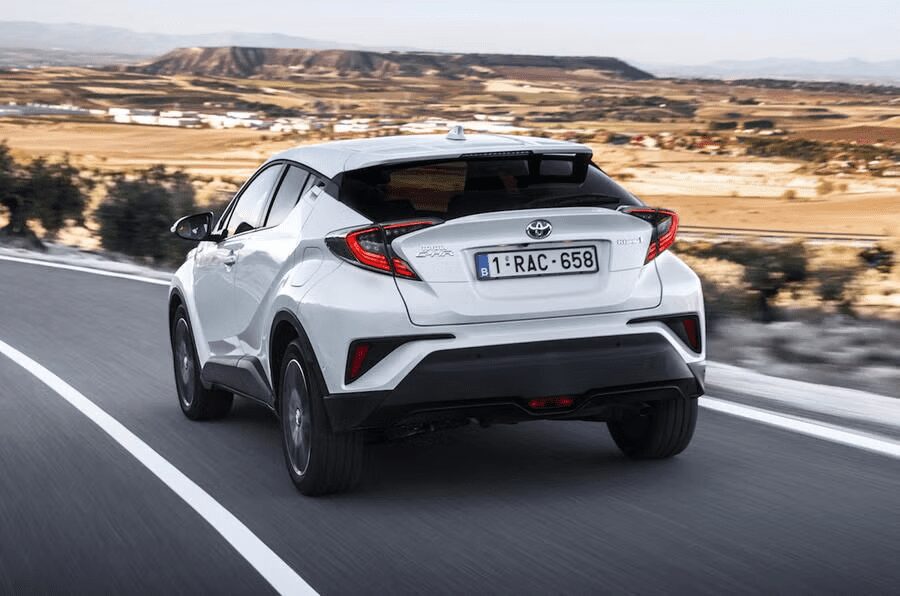
    Ghana’s automotive industry has entered a new chapter as Toyota Tsusho Manufacturing Ghana Company Limited has officially introduced the country’s first hybrid electric vehicle

    The milestone announcement was made during the formal launch of its fully integrated Toyota Ghana operations, marking a significant step toward electrified mobility and sustainable industrial growth in Ghana.

    The high-profile launch brought together key government officials, diplomats and corporate leaders, reflecting strong confidence in Ghana’s investment environment and policy direction.

    A Milestone for Ghana’s Automotive Sector

    The introduction of Toyota’s first hybrid model in Ghana signals a transformative moment for the local automotive industry. Hybrid vehicles, which combine a conventional internal combustion engine with an electric motor, are globally recognized for improved fuel efficiency and reduced emissions.

    By unveiling the hybrid system, Toyota is not only expanding its product portfolio but also aligning Ghana with global trends in cleaner transportation technology. The move positions Ghana as a forward-looking market within West Africa, ready to embrace advanced automotive solutions.

    Toyota Tsusho Manufacturing Ghana Company Limited, established in 2020 as a subsidiary of CFAO, operates from a production facility in the Tema Free Zone. Since its inception, the company has steadily strengthened its footprint in the country’s automotive assembly and distribution ecosystem.

    Consolidation and Integration Strengthen Operations

    The launch event also marked the formal unveiling of Toyota’s fully integrated operations in Ghana. Following an agreement with Toyota Ghana Limited, Toyota Tsusho Manufacturing Ghana consolidated operations by acquiring the distributor’s assets. This strategic move makes the company the sole entity responsible for Toyota manufacturing and nationwide distribution in Ghana.

    The integrated structure now comprises nine branches across the country and employs approximately 640 people. This consolidation is expected to streamline operations, improve efficiency and enhance service delivery to customers nationwide.

    In addition to the hybrid introduction, the company announced expanded after-sales services, improved parts availability and enhanced digital platforms. These improvements are designed to deliver a seamless customer experience and strengthen brand loyalty in a competitive automotive market.

    Strong Diplomatic and Government Support

    The ceremony attracted prominent figures, including the Chief of Staff, Hon. Julius Debrah; the Japanese Ambassador to Ghana, H.E. Hiroshi Yoshimoto; the French Ambassador to Ghana, H.E. Diarra Dimé Labille; the Chief Operating Officer for Africa at Toyota Tsusho Corporation, Mr. Shinichiro Otsuka; the Chief Executive Officer of the Ghana Investment Promotion Centre, Mr. Simon Madjie; and the Managing Director of Toyota Tsusho Manufacturing Ghana, Mr. Takeshi Watanabe.

    Their presence underscored the strategic importance of the investment and reflected confidence in Ghana’s economic direction. The collaboration between Ghanaian authorities and international partners highlights the strength of diplomatic and commercial ties, particularly between Ghana and Japan.

    The participation of officials from the Ghana Investment Promotion Centre further signaled the government’s commitment to creating an enabling environment for high-quality foreign direct investment.

    Driving Toward Electrified Mobility

    Toyota’s announcement that it will introduce several new models in 2026, including the hybrid electric system, demonstrates a long-term commitment to the Ghanaian market. The introduction of hybrid technology marks a critical step toward electrified mobility in the country.

    As fuel prices and environmental concerns continue to shape consumer preferences, hybrid vehicles offer an attractive alternative. They deliver better fuel economy and lower carbon emissions compared to traditional petrol or diesel vehicles. For Ghana, this shift aligns with broader sustainability goals and global climate commitments.

    The development also reflects the impact of government policies aimed at positioning Ghana as a preferred destination for industrial investment. By encouraging local assembly and manufacturing, the government seeks to reduce imports, create jobs and stimulate economic growth.

    Investment Confidence and Industrial Growth

    Toyota’s expanding footprint in Ghana demonstrates what can be achieved when investor ambition aligns with supportive policies and an effective facilitation framework. The consolidation of operations and expansion of services reflect confidence not only in the automotive market but also in Ghana’s broader economic potential.

    Operating from the Tema Free Zone, Toyota Tsusho Manufacturing Ghana benefits from a strategic location that enhances export and distribution capabilities. The integrated model strengthens supply chains and positions Ghana as a regional hub for automotive assembly and distribution.

    The company’s workforce of about 640 employees also highlights its contribution to job creation and skills development. As hybrid technology becomes part of the local automotive ecosystem, it may also open opportunities for technical training and knowledge transfer in advanced vehicle systems.

    As Ghana continues to attract strategic investments, the automotive sector remains a key pillar in its industrialization agenda. With the introduction of hybrid technology and the expansion of integrated operations, Toyota Tsusho Manufacturing Ghana is reinforcing its commitment to the country’s long-term development.

  • China Bans Tesla-Style Hidden Door Handles

    China Bans Tesla-Style Hidden Door Handles

    China has announced a ban on hidden car door handles, a design feature popularised by Tesla, marking a world first regulatory move targeting the controversial technology. 

    The policy applies to all vehicles sold in China and is aimed at addressing growing safety concerns linked to the use of flush mounted electronic door handles, especially during emergencies.

    The ban comes at a sensitive time for Tesla, which is grappling with declining global sales and intensifying competition in China, its second largest market. While the new rules do not single out any company, Tesla remains the automaker most closely associated with the design, which has also been adopted by several Chinese electric vehicle manufacturers.

    What Are Hidden Door Handles

    Hidden door handles sit flush with the vehicle’s body, contributing to a sleek exterior design and improved aerodynamics. To open the door from the outside, users typically press part of the handle to release a lever. Inside the vehicle, doors are often opened by pressing a button rather than pulling a traditional handle.

    Although Tesla popularised the feature, other electric vehicle makers in China, including Xiaomi and Aion, have incorporated similar designs into some of their models. Over the years, however, the design has attracted criticism over usability and safety, particularly in situations involving accidents, fires or power failures.

    New Rules Demand Mechanical Releases

    Under the new policy, all cars sold in China must be equipped with mechanical release features for both interior and exterior door handles. The Ministry of Industry and Information Technology said the regulation was necessary due to “the inconvenience with operating the exterior door handles and their inability to open after an accident.”

    In its statement released Monday, the ministry also outlined specific requirements for how the handles should function. Exterior door handles must provide enough space for a hand to operate the mechanical release from any angle. Interior handles, meanwhile, should be “clearly visible from the corresponding occupant’s position.”

    These requirements are intended to ensure that vehicle occupants and rescuers can easily open doors during emergencies, regardless of the vehicle’s power state or structural damage.

    The new rules will come into effect on January 1, 2027, giving automakers time to redesign existing models and adjust future production plans. While the transition period provides some breathing space, manufacturers selling vehicles in China will need to ensure full compliance to continue operating in the market.

    China’s move could also influence global automotive standards, particularly as safety regulators in other regions continue to scrutinise advanced vehicle designs introduced by electric vehicle makers.

    Tesla’s Safety Challenges Resurface

    The ban follows years of scrutiny directed at Tesla’s door handle design. Last September, Tesla said it was looking into redesigning the way to open its car doors in an emergency after several accidents where passengers were reportedly killed or severely injured in burning vehicles because rescuers could not open them.

    In the United States, Tesla owners have also reported incidents where they were locked out of their vehicles. According to an investigation by the US National Highway Traffic Safety Administration, some owners said they had to break their own car windows after buckling their children in and then being unable to get back into the vehicle.

    A separate investigation by Bloomberg found 140 incidents of people being trapped in their Teslas due to problems with the door handles, including several cases that resulted in horrific injuries. Although Tesla vehicles do include a manual door release inside the cabin for use when electronic systems fail, critics argue that the mechanism is not always intuitive or easily accessible.

    Similar Concerns Emerge In China

    Safety concerns related to door access are not limited to Tesla. In China, similar issues have surfaced among domestic manufacturers. Xiaomi’s stock value tumbled last year after a fatal crash involving its sedan killed three people in March. Local media and government affiliated outlets reported that there had been issues unlocking the car door following the crash.

    The incident added to regulatory pressure on automakers and prompted Chinese authorities to tighten rules around the marketing and testing of driver assistance features. The latest ban on hidden door handles reflects a broader push by regulators to prioritise safety over design novelty.

    For automakers, the new regulation signals a clear shift in China’s approach to vehicle safety standards. Manufacturers will need to balance innovation with practicality, ensuring that futuristic designs do not compromise basic safety functions.

    For consumers, the rule could lead to more intuitive and reliable vehicle designs, particularly in emergency situations. While flush door handles may offer aesthetic and aerodynamic benefits, regulators appear increasingly unwilling to accept designs that could delay rescue efforts or endanger occupants.

    As China takes the lead on this issue, the global automotive industry will be watching closely to see whether other countries follow suit.

  • Milan Nedeljkovic Becomes BMW’s New CEO as German Auto Sector Faces Crisis

    Milan Nedeljkovic Becomes BMW’s New CEO as German Auto Sector Faces Crisis

    BMW has announced a major leadership transition as it prepares to confront some of the most challenging times in the modern automotive industry.

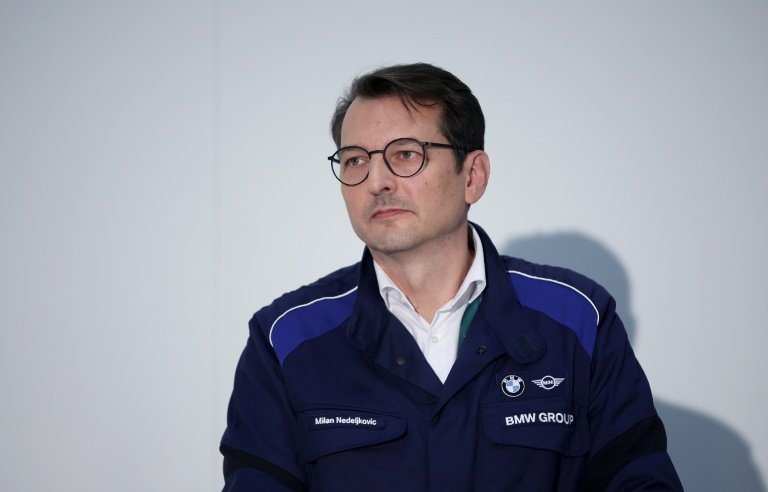
    The German car giant revealed on Tuesday that Milan Nedeljkovic, its current head of production, will assume the role of chief executive in May. His appointment marks a strategic move intended to strengthen BMW’s position as the global industry undergoes rapid transformation driven by electrification, intense Chinese competition, and shifting trade dynamics.

    Milan Nedeljkovic is no stranger to BMW’s operations. The 56-year-old engineer has been with the Munich-based company since 1993, steadily rising through the ranks to oversee BMW’s worldwide production network. His long-standing career within the company gives him a deep understanding of BMW’s manufacturing capabilities, technology integration, and product evolution.

    Nedeljkovic will succeed Oliver Zipse, whose term ends in May. Zipse has been widely credited for strengthening BMW’s electric transition and maintaining stability despite global economic uncertainties. With this change, BMW signals confidence in Nedeljkovic’s technical background and operational expertise to further accelerate innovations that will shape the company’s future.

    EV Expansion Remains Top Priority

    One of the most important tasks awaiting Nedeljkovic is the advancement of BMW’s electric vehicle (EV) strategy. Under Zipse’s leadership, BMW has made significant progress in integrating electric and combustion engine models on the same production lines. This flexible approach has allowed the company to scale its EV output without abandoning conventional manufacturing.

    The incoming CEO is expected to build on this foundation. BMW is already expanding its electric offerings, with new models and improved battery technologies in development. As consumer preferences shift rapidly toward low-emission vehicles, Nedeljkovic’s leadership will be vital to ensuring BMW retains its competitive edge.

    Milan Nedeljkovic

    Nedeljkovic takes over at a turbulent moment for Germany’s auto industry. Once unrivalled in global prestige and performance, the sector is now experiencing headwinds from multiple directions. China, a traditionally strong market for BMW and other German brands, is becoming increasingly difficult to penetrate due to fierce competition from local electric carmakers. Companies such as BYD and Nio are offering high-quality EVs at competitive prices, capturing market share and reshaping the global landscape.

    BMW’s sales in China have declined as a result, putting pressure on global revenue forecasts. The challenge for Nedeljkovic will be to rebuild BMW’s appeal in a market where innovation, affordability, and brand adaptability are becoming decisive factors.

    Impact of US Tariffs and Global Trade Pressures

    US trade policies have also influenced BMW’s recent performance. Although the company has been affected by tariffs like its counterparts Mercedes-Benz and Volkswagen, it has managed to cushion the blow thanks to its largest global factory located in South Carolina. This strategic manufacturing base has enabled BMW to maintain a stable supply to the US market, reducing some of the financial strain caused by international trade barriers.

    This advantage may become even more important as global trade disruptions continue to shape investment decisions within the automotive industry. Nedeljkovic will need to navigate these complexities while ensuring that supply chains remain robust, efficient, and adaptable.

    Despite the challenges, BMW remains resilient. The company’s third-quarter results showed rising profitability supported by strong worldwide sales. Outgoing CEO Oliver Zipse noted that BMW had proven itself “resilient” amid the turbulence affecting the broader industry. This financial strength provides Nedeljkovic with a solid starting point from which to lead BMW into its next phase of innovation and expansion.

    His experience managing BMW’s global factories has equipped him with a strong operational perspective that will be essential for improving production efficiency, integrating new EV technologies, and responding swiftly to market pressures.

    The next few years will test BMW’s agility and technological strength, but with a seasoned engineer at the helm, the company aims to reinforce its legacy as a leading force in the global automotive industry.

  • Hyundai Unveils 2026 Palisade SUV In Ghana

    Hyundai Unveils 2026 Palisade SUV In Ghana

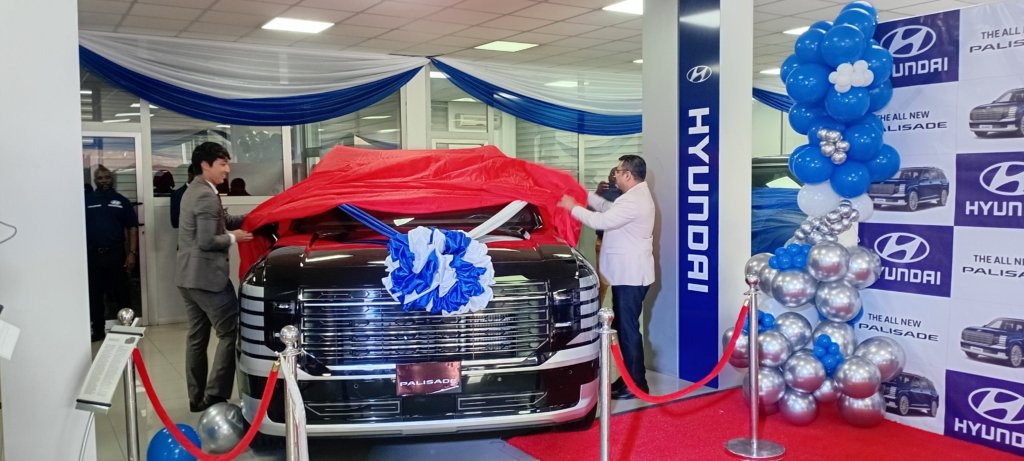
    Hyundai Motors & Investments Ghana has officially launched the Hyundai 2026 Palisade, a bold new addition to its fleet, at an event held in Accra on September 24, 2025. The launch was described as not just the unveiling of a new model but also a significant milestone in Hyundai’s commitment to innovation, reliability, and progress within the Ghanaian automobile industry.

    Speaking at the ceremony, Country Director of Hyundai Motors & Investments Gh. Ltd, Mr. Ganesh Phadale, welcomed customers, partners, and guests to what he called a defining moment. “It gives me immense pleasure to welcome you all to this special occasion—the launch of our newest vehicle, Hyundai Palisade 2026, a symbol of innovation, reliability, and progress. Today marks not just the unveiling of a new model, but also a milestone in our journey as a company,” he said.

    Mr. Phadale emphasized Hyundai’s vision to make mobility solutions both accessible and future-ready. 

    “From the very beginning, Hyundai’s vision has been clear—to provide mobility solutions that combine quality, technology, and affordability, making modern driving experiences accessible to everyone. This new Palisade vehicle represents a bold step forward in fulfilling that vision. It represents advanced engineering, safety, and comfort, while staying true to our promise of value for money.” 

    Mr. Ganesh Phadale

    The Palisade 2026, which is now being assembled in Ghana at Hyundai’s modern facility in Tema, represents the automaker’s effort to not only serve local demand but also contribute to the development of Ghana’s automotive sector.

    Mr. Ganesh Phadale, Country Director of Hyundai Motors & Investments Gh. Ltd

    Built For Comfort And Innovation

    Highlighting Hyundai’s customer-first strategy, Mr. Phadale assured guests of the company’s commitment to providing efficient after-sales service and a long-term partnership with its users. 

    “We are not just introducing a vehicle; we are reinforcing our pledge to be a long-term partner in the development of the automotive industry in Ghana. Together with our efficient after-sales service, and customer-first approach, we are confident that this vehicle will set new benchmarks and open new opportunities.” 

    Mr. Ganesh Phadale

    He further expressed appreciation to Hyundai’s team, management, and loyal customers, noting their collective effort in making the launch possible. “Let me take this moment to thank Hyundai team for their hard work, our management for their trust, and our customers for their loyalty. Without you, this journey would not be possible,” Mr. Phadale said.

    The Palisade 2026 is an SUV that blends comfort with versatility. Designed for large families and groups, it can seat up to eight passengers while offering ample cargo space. Beyond capacity, it boasts a user-friendly infotainment system and a comprehensive safety package, making it a standout in its class.

    Premium Features And Local Assembly

    On the road, the Palisade is powered by a robust 2.5 Turbo engine producing 281 horsepower. This allows the vehicle to deliver a smooth performance both in city driving and off-road adventures. Its redesigned exterior introduces a bold, truck-like stance, highlighted by a distinctive grille and vertical daytime running lights. Inside, dual 12.3-inch displays, ventilated and heated seats, multiple USB-C ports, and even a built-in dashcam offer luxury and convenience in equal measure.

    The 2026 Hyundai Palisade appeals with cutting-edge safety and tech enhancements that set it apart in the competitive SUV segment. One standout feature is Hyundai’s latest SmartSense safety suite, now equipped with enhanced highway driving assist and intersection collision avoidance, promoting confidence on busy roads.

    Shin Donghyun, Deputy Secretary and Consul at the Embassy of the Republic of Korea

    The Palisade also debuts an advanced head-up display that projects crucial driving information directly onto the windshield for minimal distraction. Another highlight is the new rear-seat entertainment system featuring wireless screen mirroring and dual 10.3-inch touchscreens, perfect for families on long journeys. The 2026 model also offers an upgraded Nappa leather option that enhances cabin luxury.

    The 2026 Hyundai Palisade also introduces an advanced surround-view camera system offering 360-degree visibility, aiding in tight parking and off-road navigation. Its multi-terrain drive mode adapts traction control for various surfaces like snow, mud, and sand, enhancing versatility. Additionally, the new digital key lets drivers unlock and start the vehicle via smartphone, adding convenience and security. These features further solidify the Palisade’s blend of innovation and practicality.

    The Palisade 2026 is available in two trims: the Special Edition priced at $70,000 and the Calligraphy priced at $75,000. These models reflect Hyundai’s attempt to blend luxury with affordability, catering to both practical drivers and those seeking refined experiences.

    As such, the Hyundai Palisade 2026 is expected to strengthen the brand’s presence in Ghana while setting a new standard for SUVs in the country.

  • CFAO Launches Lovol Brand in Ghana

    CFAO Launches Lovol Brand in Ghana

    CFAO Mobility Ghana has officially launched Lovol Equipment in the country.

    The landmark event, held at the company’s Equipment Division premises in Tema, marked the beginning of a strategic partnership poised to reshape the future of Ghana’s heavy machinery sector.

    The introduction of Lovol Equipment is more than a business expansion—it’s a calculated step in support of Ghana’s ongoing industrialization. The event brought together stakeholders from construction, mining, fleet management, and engineering, underscoring CFAO’s central role in Ghana’s evolving industrial ecosystem.

    Speaking on behalf of Mr. Adedamola Adelabu, Managing Director of CFAO Mobility Ghana, the company’s Human Resource Director, Ms. Anita Arthur, emphasized that CFAO is “not just importing equipment—we are building ecosystems.” This statement reflects the company’s deep commitment to infrastructure development, local talent enhancement, and sustainable industrial solutions.

    Aligning with Ghana’s Big Push Economic Agenda

    CFAO’s alignment with Ghana’s Big Push Economic Agenda demonstrates its intent to contribute to national development as a long-term strategic partner. Mr. Adelabu highlighted that the launch of Lovol is in line with government goals, and that CFAO’s role extends beyond sales to becoming an enabler of productivity and efficiency in key economic sectors.

    From passenger vehicles and trucks to agricultural and industrial machinery, CFAO Mobility Ghana is positioning itself as a comprehensive mobility and construction solutions provider. With robust aftersales support, rental services, and genuine parts availability, CFAO ensures its offerings deliver real value to Ghanaian businesses.

    Mr. Yanick Camerman, Director of Operations – Equipment, elaborated on the strategic fit between CFAO and Lovol. “This is not just the launch of a brand; it is the beginning of a long-term partnership with the industries shaping Ghana’s future,” he said. Lovol’s portfolio—which includes excavators, wheel loaders, backhoe loaders, and graders—offers high-performing, cost-effective solutions tailored for the country’s challenging terrains and growing industrial demands.

    Mr. Yanick Camerman, Director of Operations – Equipment

    Camerman further emphasized CFAO’s investment in reliable service infrastructure, including mobile servicing units, certified technicians, and flexible maintenance contracts. “Performance alone is not enough—service builds trust,” he remarked, reinforcing CFAO’s value proposition of minimal downtime and optimal performance.

    Showcasing Power and Precision: FR215E2 & FL955K

    Guests at the launch were treated to a live exhibition of two of Lovol’s flagship machines, demonstrating the brand’s technological prowess and suitability for Ghana’s diverse working conditions.

    The Lovol FR215E2 Medium Excavator, with its 21.6-ton operating weight, boasts intelligent control systems, advanced hydraulics, and superior fuel efficiency. Its ergonomic cab design enhances operator comfort, making it ideal for demanding excavation and earthmoving tasks.

    Complementing it was the Lovol FL955K Medium Wheel Loader, featuring a 5.2-ton load capacity, a robust 162kW engine, and a 3m³ bucket. Built for power, endurance, and precision, the FL955K is tailored for heavy-duty operations in construction, logistics, and mining environments.

    With the successful launch of Lovol, CFAO Mobility Ghana has not only expanded its brand offerings but has also reaffirmed its commitment to Ghana’s economic advancement. The Equipment Division now stands as a one-stop hub for construction machinery, agricultural tools, forklifts, trucks, buses, and tyres—all supported by expert service, genuine parts, and flexible financing.

    Operating from Tema, Kumasi, and Takoradi, CFAO Mobility Ghana’s reach and readiness signal a promising future for heavy equipment users across sectors, empowering Ghana’s journey toward industrialization with the strength of Lovol machinery.

  • Global EV Sales Surge 29% in April 2025 

    Global EV Sales Surge 29% in April 2025 

    Global electric vehicle (EV) sales reached 1.5 million units in April 2025, marking a 29% increase compared to April 2024, according to data from Rho Motion.  

    Year-to-date (YTD) sales from January to April totaled 5.6 million units, reflecting a consistent 29% growth over the same period last year. Despite ongoing global trade tensions, the EV market continues its upward trajectory, driven by strong performances in China and Europe. 

    Charles Lester, Data Manager at Rho Motion, noted that domestic manufacturers in China and Europe are successfully expanding their market share despite concerns about tariffs. 

    “Ongoing tariff negotiations are dominating talk in the electric vehicle industry.

    “But quietly, domestic manufacturers in China and the EU continue to perform well and grow market share.” 

    Charles Lester, Data Manager at Rho Motion

    According to Rho Motion, a leading EV research firm, total EV sales in April 2025 reached 1.5 million, with regional performance varying significantly.  

    China led the global market with 3.3 million units sold YTD, marking a 35% growth, followed by Europe at 1.2 million units (+25%), North America at 0.6 million (+5%), and the rest of the world at 0.5 million (+37%). 

    The Chinese EV market expanded by 35% YTD, driven by government incentives such as the vehicle trade-in scheme, aimed at replacing older, less efficient cars with EVs. However, April sales declined by 9% compared to March, reflecting market volatility. 

    Meanwhile, European EV sales rose 25% YTD, primarily fueled by stricter emissions targets prompting automakers to prioritize fully electric vehicle (BEV) production over plug-in hybrid models. 

    “The EU is certainly the success story for EV sales in 2025 so far, with emissions targets lighting a fire under the industry to accelerate the switch to electric.” 

    Global EV Sales Trends 

    The Chinese EV market saw a 35% YTD growth, with 3.3 million units sold between January and April. In April alone, sales increased by 32% compared to April 2024, reaching 0.9 million units.  

    This growth is attributed to Beijing’s subsidy extensions and a vehicle trade-in scheme aimed at boosting domestic consumption. 

    Europe’s EV market expanded by 25% YTD, totaling 1.2 million units sold. Battery Electric Vehicle (BEV) sales grew by 29%, outpacing Plug-in Hybrid Electric Vehicle (PHEV) sales, which increased by 16%.  

    Countries like Germany, Italy, Spain, and the UK reported significant growth, while France experienced a 14% decline due to reduced consumer incentives. 

    The North American EV market grew by 5% YTD, with 0.6 million units sold. However, April sales declined by 5.6% compared to the previous year, marking the first drop since September 2024. This decline is attributed to high U.S. import tariffs and policy uncertainties. 

    Other regions collectively experienced a 37% YTD growth, selling 0.5 million units. April sales in these markets surged by 50%, driven by increased demand for plug-in hybrids and Chinese exports. 

    Market Dynamics and Trade Policies 

    Trade tensions continue to influence the global EV market. The U.S. and China announced a 90-day reduction in tariffs, including the elimination of some and suspension of others.  

    However, significant tariffs on Chinese EVs remain, limiting their impact on the U.S. market. In Europe, Chinese manufacturers like BYD and Chery are increasing PHEV exports to circumvent higher tariffs on BEVs.  

    “The plug-in hybrids have almost doubled year to date in the rest of the world, but the main reason for that is the Chinese exports.” 

    Charles Lester, Data Manager at Rho Motion

    Despite challenges, the global EV market is poised for continued growth. Rho Motion projects over 20 million EVs will be sold globally in 2025, an 18% increase from 2024.  

    China is expected to maintain its lead with 12.9 million units, while Europe and North America are projected to sell 3.5 million and 2.1 million units, respectively. 

    As governments implement policies to encourage EV adoption and manufacturers adapt to changing market dynamics, the industry remains on a path toward electrification, albeit with regional variations influenced by trade policies and consumer incentives. 

  • China’s 6G Breakthrough Signals Bold Leap into Fourth Industrial Revolution

    China’s 6G Breakthrough Signals Bold Leap into Fourth Industrial Revolution

    China has made a groundbreaking stride in its quest to lead the Fourth Industrial Revolution (4IR), unveiling the world’s first field test network for sixth-generation (6G) communications.

    Spearheaded by Purple Mountain Laboratories in Nanjing, capital of east China’s Jiangsu Province, the development positions the Asian powerhouse at the forefront of next-generation wireless technology.

    The 6G field test, recently organized under the auspices of Purple Mountain Laboratories, showcased not only the high-speed capabilities of the technology but also its intelligence and perception functions. A defining feature of 6G is its deep integration with Artificial Intelligence (AI), allowing for a transformative convergence of communications and intelligent data processing.

    Crucially, 6G technology supports the interoperability of terrestrial and non-terrestrial networks—including satellites—a feature that expands connectivity and enhances communication in areas previously beyond the reach of conventional infrastructure. This innovation is expected to accelerate the evolution of sectors such as aerospace, remote monitoring, autonomous systems, and industrial automation.

    “This technology has significant application prospects in emerging fields such as drones,” noted Mr. You Xiaohu, Director of Purple Mountain Laboratories.

    “When a drone is in sight, base stations need to both communicate with it and sense its presence. This is especially important when unauthorized drones enter restricted areas. With integrated communication and sensing capabilities, base stations can support both communication and detection of drones.”

    Mr. You Xiaoh

    Global Momentum Around The Development of 6G

    China’s breakthrough coincides with global momentum around the development of 6G technologies. In 2023, the International Telecommunication Union (ITU), the United Nations’ specialized agency for information and communication technologies (ICTs), approved a 6G vision framework. This foundational document has catalyzed international research efforts and outlines the future architecture of mobile networks under the IMT-2030 standard.

    “Terrestrial wireless systems to be developed under IMT-2030 are expected to drive the next wave of innovative radiocommunication systems, promote digital equity and advance universal connectivity,” said Mario Maniewicz, Director of the ITU Radiocommunication Bureau.

    China’s commitment to 6G development is part of a broader strategy to secure its leadership in advanced technologies critical to the 4IR. The 4IR, characterized by a fusion of digital, biological, and physical systems, demands high-speed connectivity, real-time data analytics, and robust AI integration—capabilities that 6G is uniquely positioned to deliver.

    Prominent economist and former World Bank Chief Economist, Professor Yifu Lin, has lauded China’s advances in science, technology, and engineering, emphasizing the need to maintain the current momentum. Delivering a lecture titled “China’s Medium and Long-Term Development, Stability, and the Significance of Stable Growth amid Global Uncertainties” in Beijing, he underscored the critical role of increased investment in China’s high-tech enterprises.

    “The Fourth Industrial Revolution presents China with a critical opportunity. China requires new inventions and innovations through research and development to keep up the trend.”

    Professor Yifu Lin

    He further stressed that sustained technological progress is not only key to improving the quality of life for China’s 1.4 billion citizens but is also vital to ensuring global economic stability and reshaping international governance systems.

    The launch of the 6G test network affirms China’s intention to not only compete but lead in setting the pace for global technological standards. The initiative reflects the country’s strategic approach to innovation and its resolve to chart a path forward through investment in emerging technologies.

    As China continues to break new ground in AI, telecommunications, and digital infrastructure, its 6G ambitions are poised to influence global development trajectories in ways that could redefine how societies connect, produce, and interact.

  • Stylish, Sporty, and Ghanaian-Assembled: Meet the New Suzuki Swift

    Stylish, Sporty, and Ghanaian-Assembled: Meet the New Suzuki Swift

    The Suzuki showroom on Airport Bypass Road, Accra, was alive with excitement as CFAO Mobility Ghana unveiled the all-new Suzuki Swift.

    The event, which brought together over 100 invited guests including fleet owners, individual buyers, members of the Indian community, and automobile enthusiasts, was more than just a product launch—it was a celebration of progress, innovation, and Ghanaian manufacturing excellence.

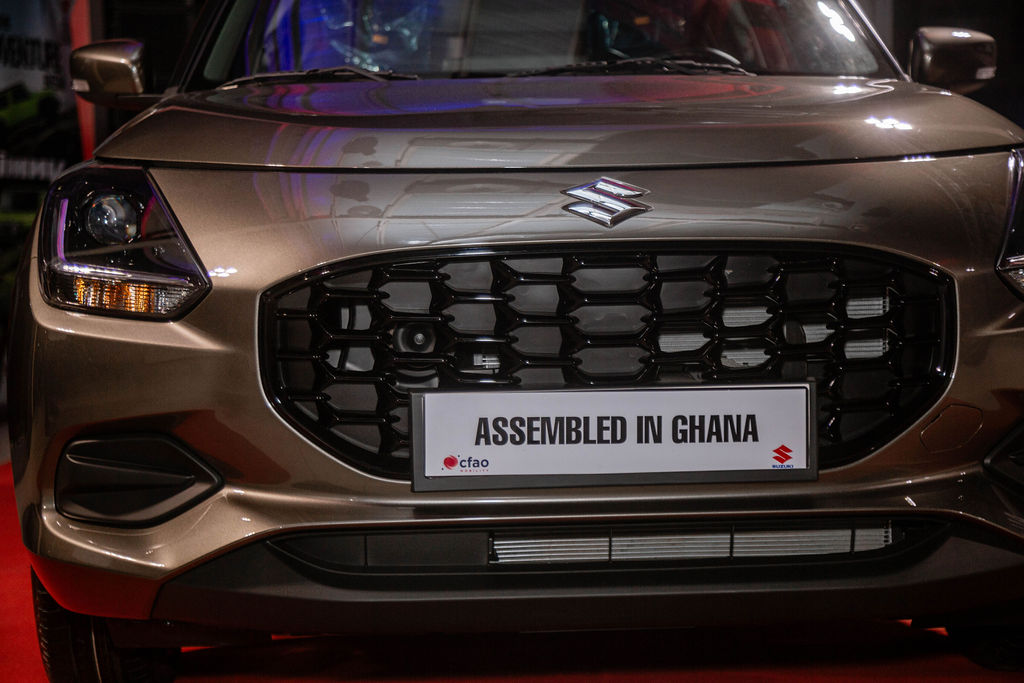
    In his opening remarks, Mr. Adedamola Adelabu, Managing Director of CFAO Mobility Ghana, emphasized the broader significance of the event. “We are celebrating a milestone in innovation, local empowerment, and excellence in mobility,” he stated. He revealed that the new Suzuki Swift is proudly assembled in Ghana at the Toyota Tsusho Manufacturing Ghana (TTMG) assembly plant, using over 1,000 individual components. This makes it the only vehicle of its kind built in the country, blending Japanese engineering with Ghanaian craftsmanship and resilience.

    “This is a vehicle that reflects the spirit of Ghana — innovativeness, resilience, and a forward-looking mindset,” Mr. Adelabu said, highlighting the role of local expertise in bringing the Swift to life.

    A Global Legacy of Performance

    Adding to the excitement, Mr. Fabrice Morin, Director of Operations – Sales & Aftersales, provided insight into the global success of the Suzuki Swift since its debut in 2004. Now in its fourth generation, the Swift has sold over 9 million units and won more than 60 international awards across 20 countries. Mr. Morin described the new model in six succinct words: “stylish, sporty, and fun to drive.”

    Prince Hanson Ofosu-Amponsah, Suzuki Sales Supervisor, led a detailed comparison between the outgoing model and the all-new Swift GL+. He highlighted key improvements in design, performance, and safety, making it clear that the latest Swift model sets a new standard in the compact car segment.

    The grand unveiling drew applause as guests were introduced to the Swift’s bold, dynamic exterior. The refreshed look includes projector-style headlights, sculpted LED taillights, a premium front grille, and a more aerodynamic, sporty silhouette that exudes modern appeal.

    The interior of the new Swift is equally impressive. It features high-quality fabric seats and a floating touchscreen infotainment system compatible with Apple CarPlay and Android Auto. The upgraded instrument cluster and enhanced cabin layout offer drivers a more intuitive and comfortable experience.

    Under the hood, the Swift GL+ comes with a refined 1.2L 3-cylinder engine and a fully automatic transmission that replaces the older auto-gear-shift system. It also boasts an Overdrive Off Switch for improved performance on hilly and winding roads—ensuring a responsive and efficient drive.

    Safety has seen a significant boost in the new Swift. The latest model now features six airbags, up from just two in the previous version, offering enhanced protection for drivers and passengers. This upgrade reaffirms Suzuki’s commitment to delivering not just efficiency and style, but also dependable safety.

    As guests explored the vehicle, captured photos, and interacted with the Suzuki team, the showroom buzzed with excitement and pride. The evening evolved into a dynamic networking session, with conversations centered around the promising future of locally assembled vehicles in Ghana.

    “This is not just a car—it’s a commitment to Ghana’s automotive future,” remarked one attendee, echoing the sentiment of many present.

    Driving Ghana Forward

    The launch of the all-new Suzuki Swift represents CFAO Mobility Ghana’s vision for sustainable mobility and industrial development. “With fuel-efficient vehicles like the Swift, we are helping Ghanaians save more, go farther, and live easier,” Mr. Adelabu remarked, underscoring the broader impact of the Swift on consumers and the local economy.

    CFAO Mobility Ghana, the official representative of Suzuki in the country, continues to offer high-quality, reliable, and fuel-efficient vehicles tailored for the Ghanaian market. The brand’s lineup includes models such as the S-Presso, Baleno, Grand Vitara, and the 3-door and 5-door Jimny. With full-service support and spare parts availability in Accra, Tema, Kumasi, and Takoradi, Suzuki customers are guaranteed value and peace of mind.

    The all-new Suzuki Swift is here—assembled in Ghana, built for performance, and ready to redefine urban mobility with style and innovation.