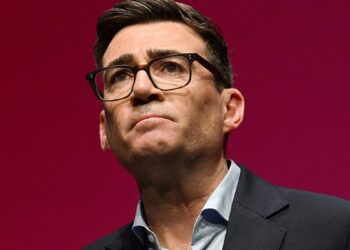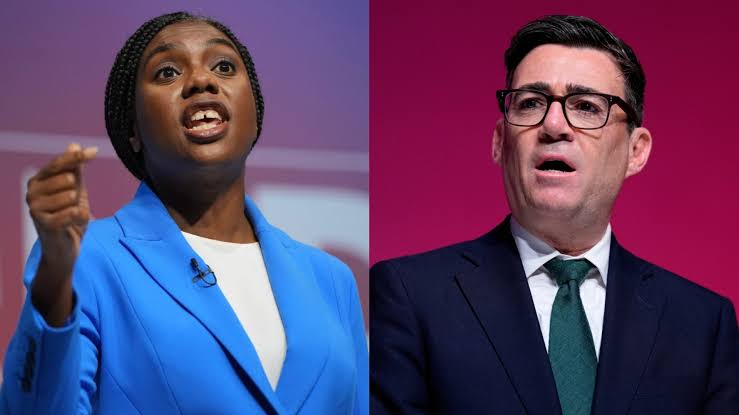
Prime Minister Andy Burnham has come under growing pressure over his economic strategy after Conservative leader Kemi Badenoch questioned his government’s direction during Prime Minister’s Questions.
During a heated exchange in the House of Commons, Kemi Badenoch accused the government of lacking a clear programme for the country, describing its Budget as a “do-nothing Budget” and accusing Andy Burnham of entering Downing Street with a 10-year plan to end four decades of neoliberalism, only to rely on external consultants to develop his vision for Britain.
“Is it really true he has so little vision for this country he needs the Boston Consulting Group to write it for him?”
Kemi Badenoch
In response, Andy Burnham pledged to present the government’s plan for Britain before Parliament rises for the Christmas break, insisting that he is determined to provide the country with the stability the Conservatives had failed to deliver.
However, the Conservative Leader pressed him on the timing of the next Spending Review, arguing that the government had left major economic decisions unresolved.
The Conservative leader also questioned the government’s handling of the Rosebank oil field, arguing that the Chancellor had included anticipated tax revenues from the project in Budget calculations despite its approval remaining outstanding.
The Prime Minister maintained that the decision would be taken in due course, describing the process as quasi-legal. He also defended the government’s approval of the Jackdaw gas field, arguing that the previous administration had mishandled the decision by making it overtly political.
Burnham’s Economic Strategy Branded ‘Reckless’
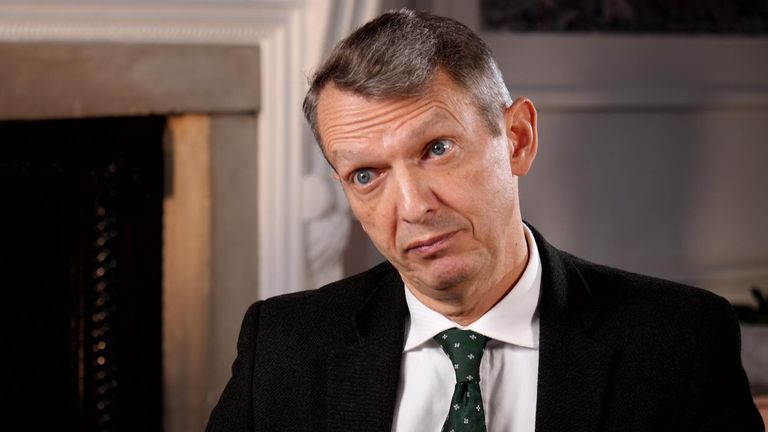
Meanwhile, Andy Burnham’s handling of the British economy has been branded “reckless” by former adviser Andy Haldane, who has warned that the government’s fiscal strategy could expose United Kingdom to a severe financial crisis.
Andy Haldane, a former Chief Economist at the Bank of England and current President of the British Chambers of Commerce, stated that the government had failed to strengthen the country’s financial position despite mounting economic pressures.
According to him, Britain’s finances are “on a knife-edge with most of the lights on the fiscal dashboard flashing red.”
Borrowing Costs Raise Market Concerns
In addition, Andy Haldane expressed concern over United Kingdom’s borrowing costs, which he noted were higher than those of any other country in the Group of Seven (G7), despite Britain having a comparatively lower debt burden.
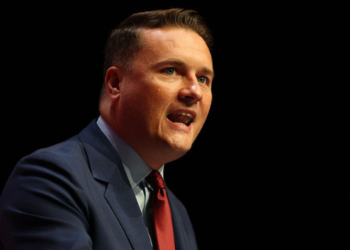
He attributed the situation partly to a lack of confidence in the government’s economic plans, particularly proposals by Burnham and Chancellor John Healey to reduce the country’s fiscal headroom from £23 billion to £16 billion.
According to Haldane, the proposed reduction risks undermining the credibility of the government’s fiscal strategy in the eyes of financial markets, making it more difficult to manage the country’s borrowing requirements.
He argued that the government needed to raise between £30 billion and £40 billion through tax increases or spending reductions to address its fiscal challenges. However, he criticised its decision to avoid such measures in what the administration has described as its “do no harm Budget.”
Haldane also questioned the government’s confidence following reports that Britain had weathered the worst of recent financial turbulence, arguing that its current fiscal position was more precarious than at any point in the past half-century.
Budget Risks Weakening Fiscal Protection
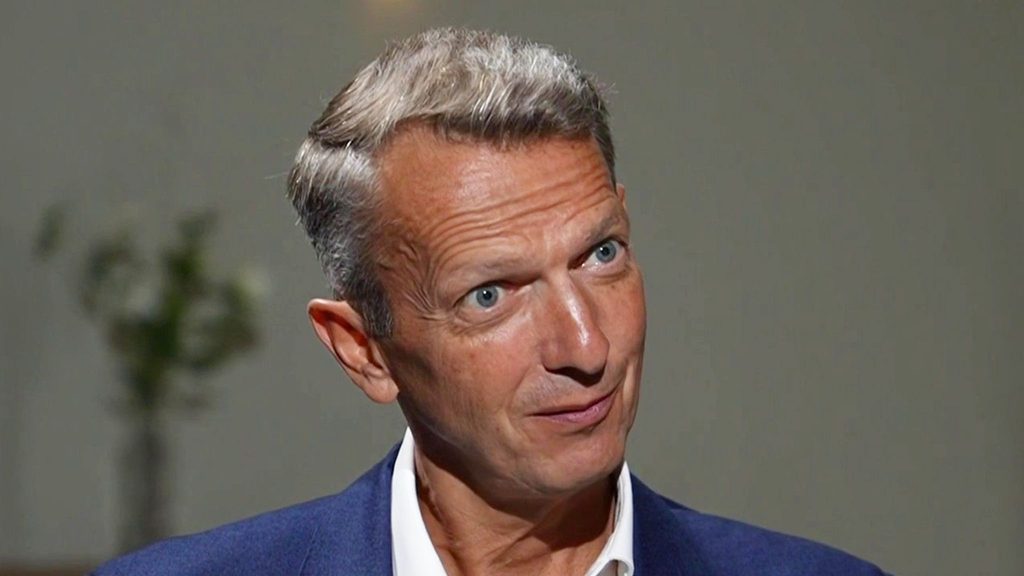
Moreover, the former Bank of England Economist criticised the government’s decision to run down its financial reserves at a time of heightened uncertainty in global markets.
He compared the approach to “not renewing your home insurance at the same time your next-door neighbour’s house is ablaze,” adding, “running down our insurance cover is an act of reckless complacency.”
Andy Haldane further compared UK’s economic position to a patient with dangerously high blood pressure, arguing that immediate intervention is necessary to reduce the risk of a financial collapse.
Instead, he criticised the government for relying on what he described as “homoeopathic remedies”, including higher deficits, debt, taxes and public spending.
Andy Haldane also challenged Burnham’s criticism of “crude cuts”, arguing that the failure to restore fiscal stability could ultimately force the government into more severe spending reductions following a financial crisis.
He cited Greece’s economic collapse in 2009 and the market turmoil triggered by former prime minister Liz Truss’s 2022 mini-budget as examples of the consequences of failing to maintain confidence in public finances.
According to Haldane, the effects of another crisis could fall disproportionately on lower-income households, potentially worsening the economic difficulties facing the most vulnerable sections of society.
“While the government rails against using ‘crude cuts’ to restore fiscal order, cuts come no cruder or crueller than following a financial crisis. Ask Greece.”
Andy Haldane
He further rejected the government’s broader economic reform agenda, which has been presented by supporters as progressive, arguing that its fiscal direction could undermine the very groups the administration claims to protect.
Burnham Defends Government Priorities
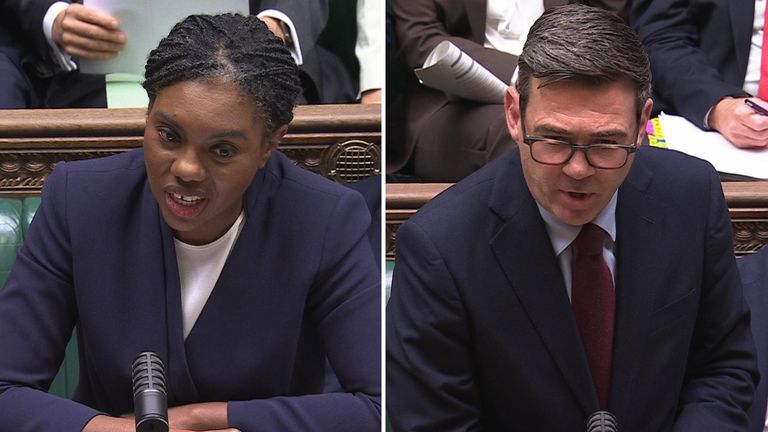
Despite the criticism, Burnham used PMQs to outline several priorities within his proposed 10-year programme, including establishing a national care service, reducing household energy bills and tackling the crisis in youth employment.
The Prime Minister also confirmed that the government will present the Milburn review next week, which examines the challenges facing young people in accessing employment and opportunities for economic advancement.
READ ALSO: Kyereh’s Quality Is Clear, But What About Fitness?