
Ghana is ready to expand domestic production and strengthen its position in global markets, Finance Minister Dr Cassiel Ato Forson has declared, urging local and international investors to take advantage of emerging opportunities under the government’s transformative New Economy Programme.
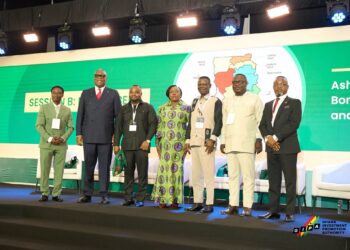
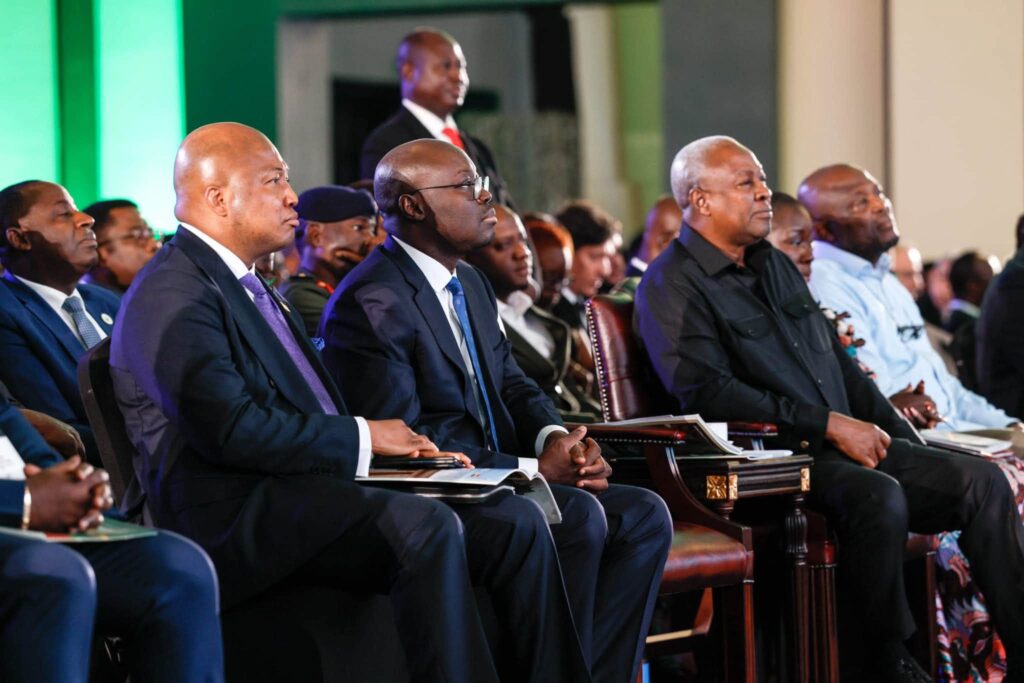
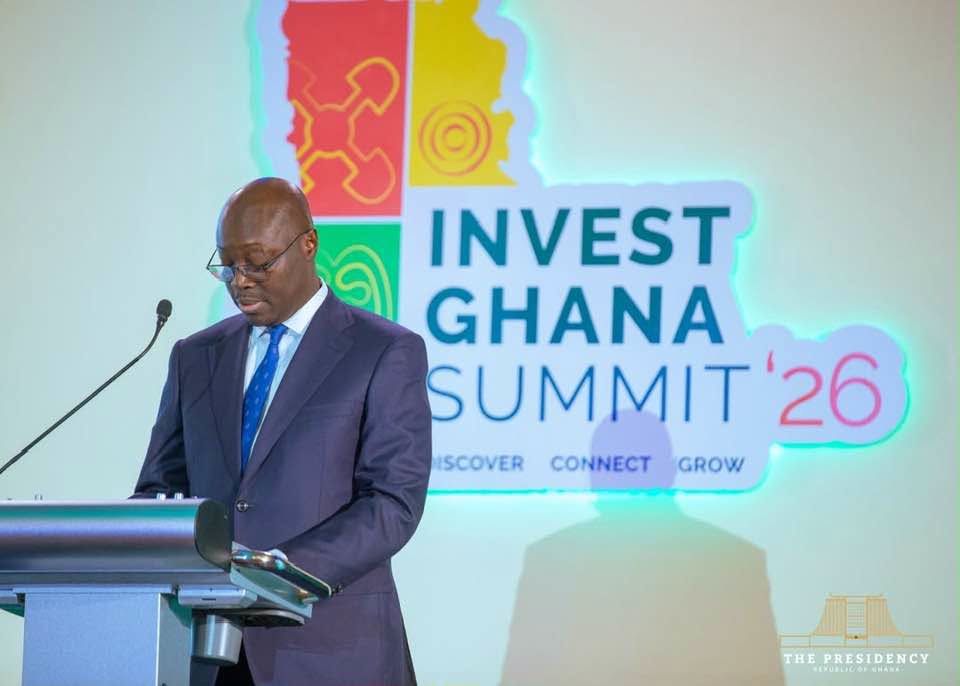
Speaking at the 2026 Invest Ghana Summit at the Kempinski Gold Coast City Hotel, Dr Forson outlined investment opportunities across agriculture, energy, critical mineral processing, manufacturing, tourism and technology, while highlighting the government’s planned $10 billion public investment programme over four years to support industrial expansion, create jobs and boost exports.
“Ghana is ready to produce more at home and sell more to the world. My duty here is to invite you to consider where your business can invest, grow and create jobs, as we put Ghana’s vision to work.”
Dr Cassiel Ato Forson, Ghana’s Minister of Finance
New Economy Programme Anchors Ghana’s Industrial Ambition
Dr Forson explained that the government’s ambition to increase domestic production and expand exports forms part of President John Dramani Mahama’s transformative New Economy Programme, which was unveiled the previous Thursday.
He noted that the programme rests on eight pillars, beginning with macroeconomic stability and affordable finance, which he described as the foundation for creating an environment where businesses can access capital, plan investments and expand operations.
The other pillars focus on commercial agriculture, energy infrastructure and critical mineral value addition, alongside tourism, culture and creative arts, textiles and garments, pharmaceuticals and biomanufacturing, and the technology economy.
According to the Finance Minister, these sectors will expand the range of goods and services Ghana produces locally while strengthening its capacity to compete in international markets.
Government Plans $10 Billion Investment Over Four Years
Dr Forson disclosed that the 2027 Budget outlines planned public investment equivalent to $10 billion over four years, with more than $2.5 billion earmarked for 2027 alone.
He explained that government would direct resources towards critical infrastructure, particularly electricity, irrigation and transportation, to create the conditions businesses need to establish operations, increase production and expand their markets.
The Finance Minister also emphasised the importance of fiscal discipline in sustaining the macroeconomic stability required for long-term private-sector investment. He argued that predictable economic conditions would allow businesses to price contracts, secure financing for factories and make investment decisions with greater confidence.
The planned infrastructure investments, he maintained, would complement private-sector participation by addressing constraints that affect production and business expansion.
Rice and Sugar Hubs Open Opportunities for Local Production
Dr Forson identified rice and sugar production as two areas where investors could benefit from Ghana’s domestic market while supporting the government’s import substitution and industrialisation ambitions.

Using the commodities as examples, he argued that Ghana already had the consumer demand to sustain increased local production, creating opportunities for businesses across the agricultural value chain.
He explained that the proposed rice and sugar hubs would generate investment opportunities in irrigation, storage, milling and packaging. The government is also proposing that public institutions produce rice and sugar locally, a move Dr Forson believes could help establish demand for domestic processors and manufacturers.
He urged investors to establish mills capable of meeting industry standards and delivering consistent products, positioning themselves to build sustainable businesses around the expanding market.
Energy Infrastructure and Mineral Processing to Drive Industrial Growth
The Finance Minister also highlighted reliable electricity as a critical requirement for industrial expansion, arguing that improved power supply would enable factories to maximise existing machinery, introduce additional production shifts and create more employment opportunities.
He pointed to investment opportunities in solar energy, battery storage, equipment supply and industrial power systems, encouraging businesses to participate in developing solutions that support reliable energy for manufacturing.
“In the western region alone we are establishing a critical mineral processing enclave to offer investors the opportunity to build plants that turn Ghanaian manganese and bauxite into higher value product.”
Dr Cassiel Ato Forson, Ghana’s Minister of Finance
The initiative forms part of the government’s broader ambition to strengthen domestic value addition and expand the country’s industrial production capacity.
Manufacturing, Tourism and Technology to Expand Export Opportunities
Dr Forson further identified textiles and garments, pharmaceuticals and biomanufacturing as industries with considerable potential to serve domestic demand and penetrate regional markets.
He highlighted opportunities for manufacturers to produce uniforms, protective clothing and medicines for local consumption before expanding their operations to serve customers across the sub-region.
According to him, businesses established in Ghana could position themselves to compete for orders across a regional market of more than 450 million customers. He also encouraged investment in tourism and the creative arts, particularly hotels, venues and productions that could attract visitors and provide additional reasons for them to extend their stays in Ghana.
Technology companies, he added, could support these industries by developing solutions that help businesses reach customers, process payments and facilitate the movement of goods across the region.
These investments, he maintained, would broaden Ghana’s productive base while creating opportunities for businesses to participate in emerging markets.
AfCFTA Positions Ghana as a Gateway to African Markets
The Finance Minister urged investors to consider the African Continental Free Trade Area (AfCFTA) when determining the scale of their investments in Ghana, stressing that opportunities extended beyond the country’s domestic market.
He encouraged businesses to develop production capacities capable of serving customers across West Africa and the wider continent rather than limiting their ambitions to local demand.
Dr Forson also called on Ghanaian businesses to present expansion proposals they had previously struggled to finance, assuring them that government would work with them to advance viable projects.
He encouraged international investors to partner with Ghanaian companies that understand the local market, while urging banks and development finance institutions to use the summit to identify financing arrangements for commercially viable projects.
Ato Forson Challenges Investors to Commit to Ghana
Concluding his address, Dr Forson challenged summit participants to translate discussions into concrete investment commitments, partnerships and business engagements. He urged investors to leave Accra with potential partners, identifiable projects and scheduled meetings that could advance their investment interests.
“I give it to you in the strongest terms of recommendation to invest in Ghana, produce here and grow with us as Ghana moves to the next stage.”
Dr Cassiel Ato Forson, Ghana’s Minister of Finance
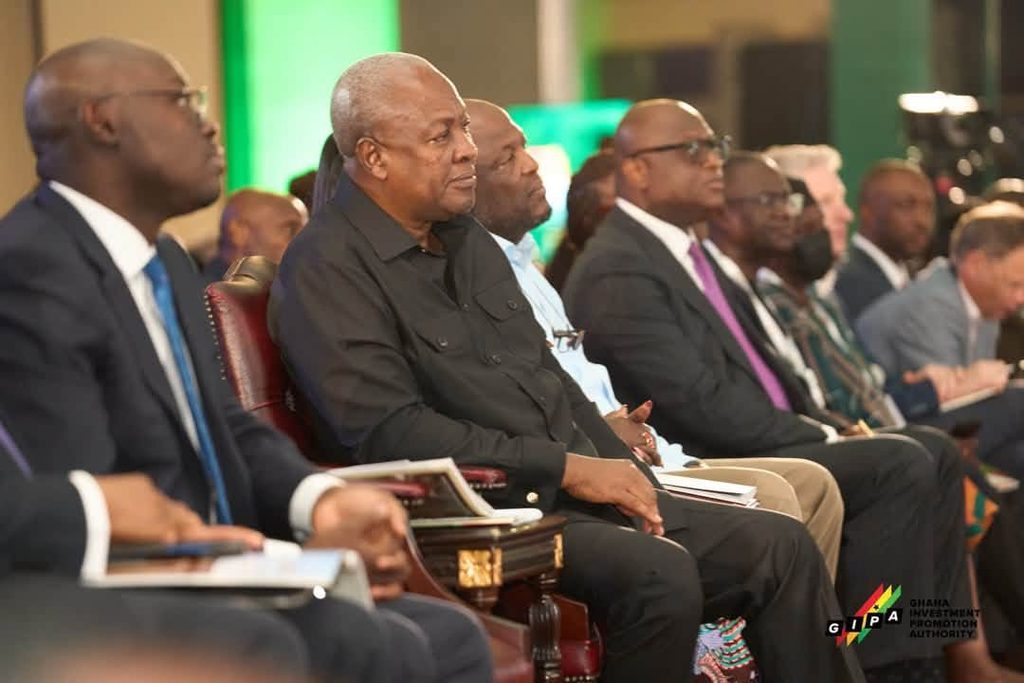
The 2026 Invest Ghana Summit, convened by the Ghana Investment Promotion Authority (GIPA) under the patronage of President John Dramani Mahama, continues until Tuesday, November 17.
The gathering seeks to connect investment capital with commercially viable projects across Ghana’s productive sectors, bringing together government officials, investors, business leaders, and development finance partners.
READ ALSO: BoG Warns 2027 Budget Could Threaten Ghana’s Economic Stability