The National Chairman of the National Democratic Congress (NDC), Johnson Asiedu Nketiah, has called on security agencies to arrest and prosecute individuals involved in vote buying during the party’s internal elections.
He urged law enforcement institutions to treat electoral inducement as a criminal matter, insisting that party leadership should not bear sole responsibility for addressing offences committed during internal contests.
“The biggest threat to any democracy is for us to allow our elections to degenerate into auctions so that the positions are auctioned and they go to the highest bidders. If we do that, we are destroying this democracy.”
Johnson Asiedu Nketiah
The Chairman of the National Democratic Congress identified monetisation as “one of the gravest threats confronting both the country’s democratic system and the party.” He recalled that the party had an opportunity to sanction individuals implicated in the practice during the Nima elections, but time constraints prevented leadership from pursuing the intended disciplinary measures.

He explained that with only 48 to 72 hours remaining before an election, disqualifying a selected candidate could mean forfeiting the contested seat. Consequently, the party has still been unable to pursue the sanctions it initially contemplated.
However, Mr Nketiah indicated that reports reaching him suggests that the practice persists, with some aspirants allegedly using material inducements to influence delegates.
He urged members to distinguish between ordinary gestures of generosity and financial inducements intended to purchase electoral support. “It is not a bad thing if anybody wants to give party people something,” he remarked, but cautioned that such gestures become unacceptable when they are calculated to secure political positions.
In addition, the Chairman aligned himself with the General Secretary’s earlier caution against monetisation, expressing confidence that the party’s administrative leadership recognised the danger it posed.
He nevertheless insisted that security agencies must assume their statutory responsibilities whenever criminal conduct occurs during political contests.
Mr Nketiah questioned why offences committed in ordinary public settings attract police intervention while similar conduct during elections is routinely left for party executives to resolve.“We are citizens first before we belong to various groups,” he asserted, emphasising that membership of a political organisation does not exempt individuals from the laws of the country.
He therefore urged law enforcement authorities to investigate reported electoral offences and pursue appropriate action, warning that failure to confront vote buying could damage the credibility of internal party elections and Ghana’s democracy.
NDC Chairman Tests Leadership Team Through Electoral Autonomy
Explaining his decision to stay away from the party’s electoral contests, National Chairman of the National Democratic Congress, Johnson Asiedu Nketiah says his decision is intended to test the capacity of his leadership team.
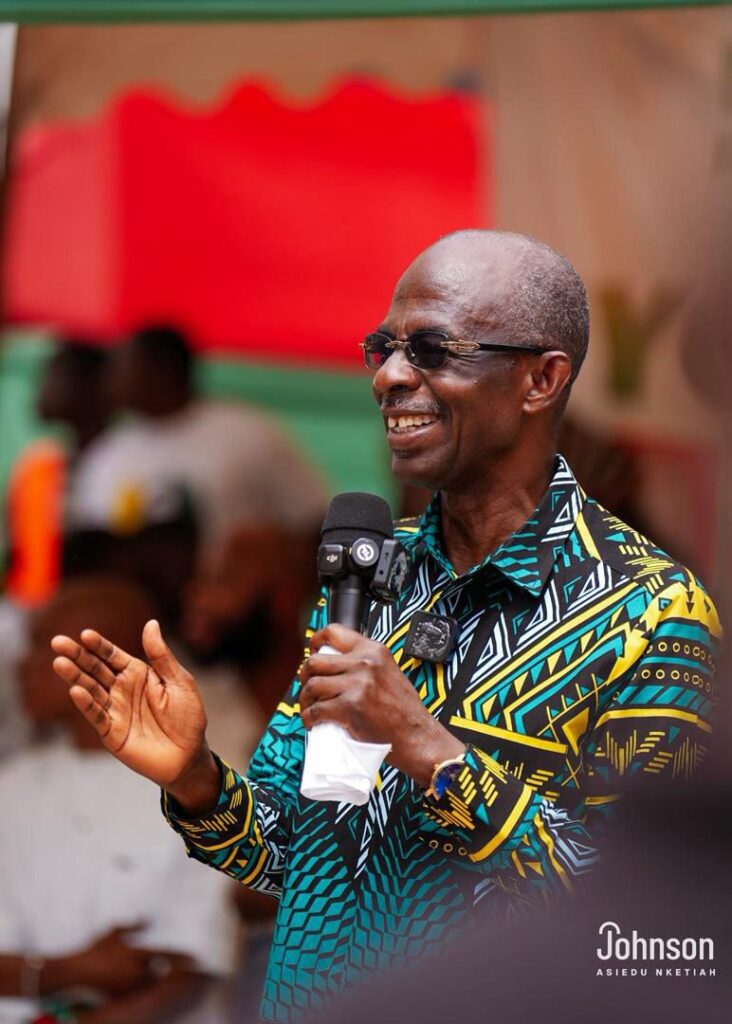
He indicated that he deliberately limited his involvement in the branch, constituency and regional elections to determine whether the party could sustain its organisational progress without depending on his direct intervention.
“My attitude is that let me test this team, that without me, how will it go? How would it go? So, as I’m leaving, would they be capable of handling the party and possibly reach higher heights than where I’m leaving?”
Johnson Asiedu Nketiah
The Chairman expressed encouragement over the team’s performance so far, noting that his participation in the internal elections has been “deliberately minimal.” He explained that he only intervened when problems required his attention, allowing the executives to exercise their judgement and demonstrate their organisational abilities.
Mr Nketiah also pointed to the party’s branch reorganisation as a significant achievement of his tenure. He recalled that the NDC identified organisational weaknesses in regions such as Ashanti and Eastern, where inadequate branch structures affected its electoral performance.
To address those deficiencies, the leadership deployed experienced organisers from across the country to strengthen the party’s grassroots structures, particularly in the two regions. He indicated that the exercise has helped establish a firmer organisational foundation ahead of subsequent elections.
The Chairman expressed satisfaction that more than 85 percent of branch executives who contributed to the party’s electoral victory has retained their positions in the recent branch elections. He characterised their retention as recognition of their work and an indication that the party’s grassroots structures has been strengthened.
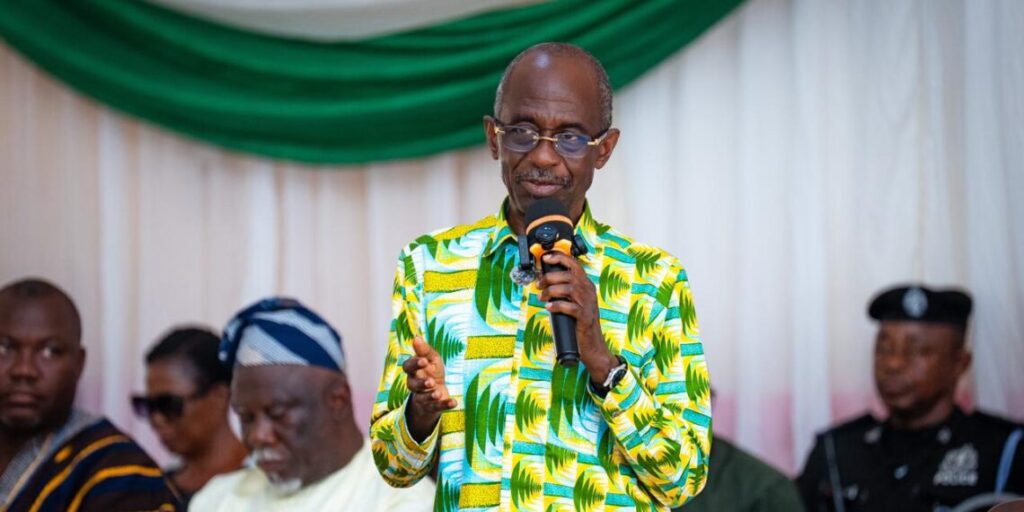
He further explained that the party has progressed through constituency elections and is preparing for the national executive elections. For him, the succession process provides an opportunity to assess whether the organisational structures can function effectively without his constant presence.
Mr Nketiah also disclosed that he deliberately kept his decision not to seek another term private until the close of nominations. Even close associates remained uncertain about his intentions, as he wanted to avoid appeals that might influence his decision.
His satisfaction comes from “leaving the NDC headquarters in a better condition” than he found it. He also expressed confidence that the incoming leadership would prioritise party unity after the elections, particularly by reconciling winners and unsuccessful aspirants.
READ ALSO: 2027 Budget Signals Ghana’s Resolve To Preserve Economic Stability