President John Dramani Mahama has urged Ghanaian businesses to expand investment in production, agro-processing and industrial development, arguing that the private sector must drive the country’s New Economy agenda while government provides the infrastructure and policy environment needed to support growth.
Speaking at the opening of the 2026 Invest Ghana Summit at the Kempinski Gold Coast City Hotel in Accra on Monday, November 16, the President called for stronger partnerships between farmers, manufacturers, investors and financial institutions to build productive value chains, create jobs and increase exports.
“As is often said, government is the enabler, not the operator. Governments will enable, and the private sector will deliver.”
President John Dramani Mahama
President Mahama explained that the government’s economic strategy was centred on increasing domestic production and retaining more value from Ghana’s agricultural and natural resources. He urged businesses to invest beyond the extraction and sale of raw materials by developing processing facilities capable of serving local and regional markets.
Mahama Highlights Private Sector Role in Agricultural Value Chains
The President identified the absence of reliable buyers for farm produce as a longstanding constraint on agricultural development, arguing that increased production would not benefit farmers unless markets and processing capacity expanded alongside it.
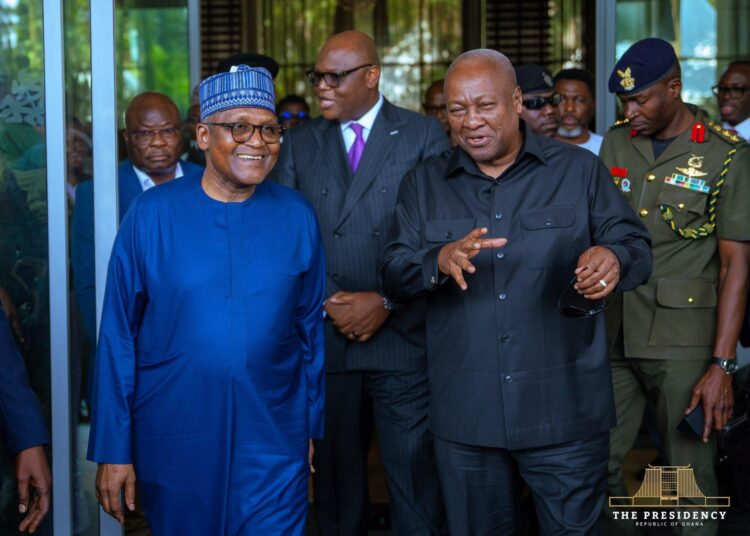
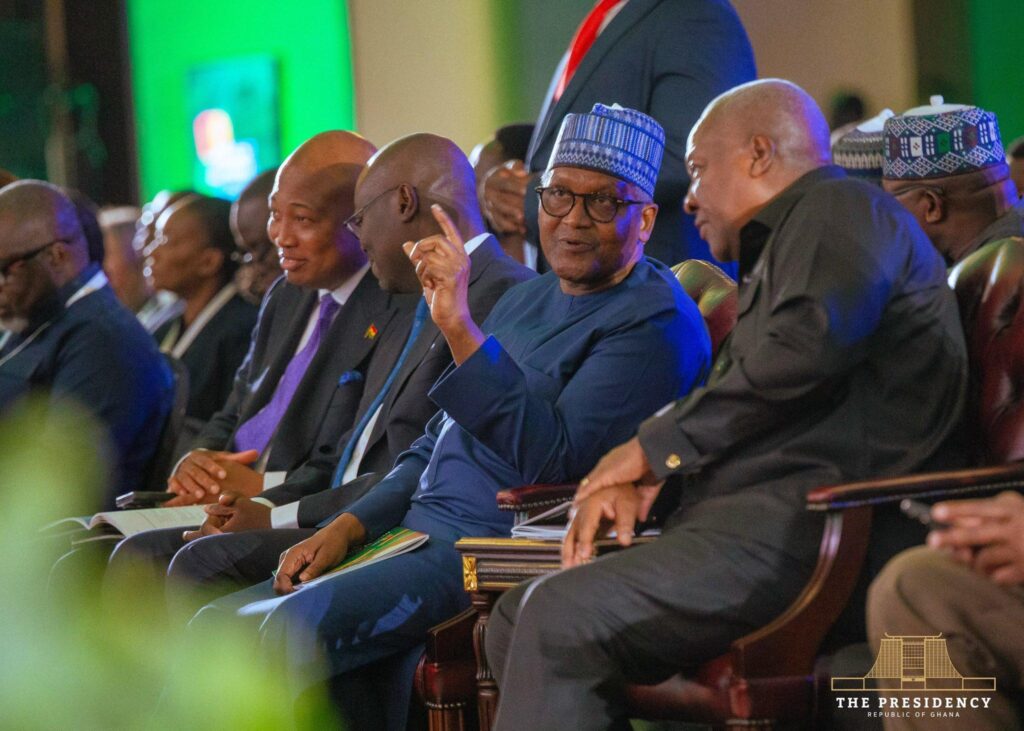
He referenced concerns raised by Dangote Group Chief Executive Aliko Dangote during a side discussion at the summit, particularly the need to guarantee farmers a market for their produce before expecting them to increase output.
President Mahama observed that farmers often produce maize and rice in large quantities but struggle to find buyers, resulting in a disconnect between agricultural output and commercial demand.
“The farmers produce maize in huge quantities and there’s nobody to buy it off them. They produce rice in huge quantities and there’s nobody to take it off them.”
President John Dramani Mahama
He explained that the New Economy policy would respond to these gaps through investments in storage and processing, while calling on private businesses to establish the commercial capacity to purchase and process local produce.
The President stressed that the government’s investments would need to be matched by private-sector participation to ensure that farmers could move their harvests into processing and distribution networks.
The proposed sugar project by the Dangote Group in the Bono East Region, he noted, illustrated the importance of linking industrial investment to agricultural supply. A viable processing plant would depend on a reliable supply of sugarcane and growers being confident that their harvests would have a buyer.
President Mahama maintained that developing this relationship was as important as constructing the factory itself, since dependable supply chains would determine whether investments could operate consistently.
Government to Address Barriers to Business Growth
The President also identified expensive and unreliable electricity, high short-term borrowing costs and weak transport links as constraints affecting the competitiveness of Ghanaian businesses.
He explained that these challenges increase production costs, make projects more difficult to finance and raise the cost of moving raw materials and finished products. Smaller enterprises, he noted, face particular pressure because they have less capacity to absorb such costs.
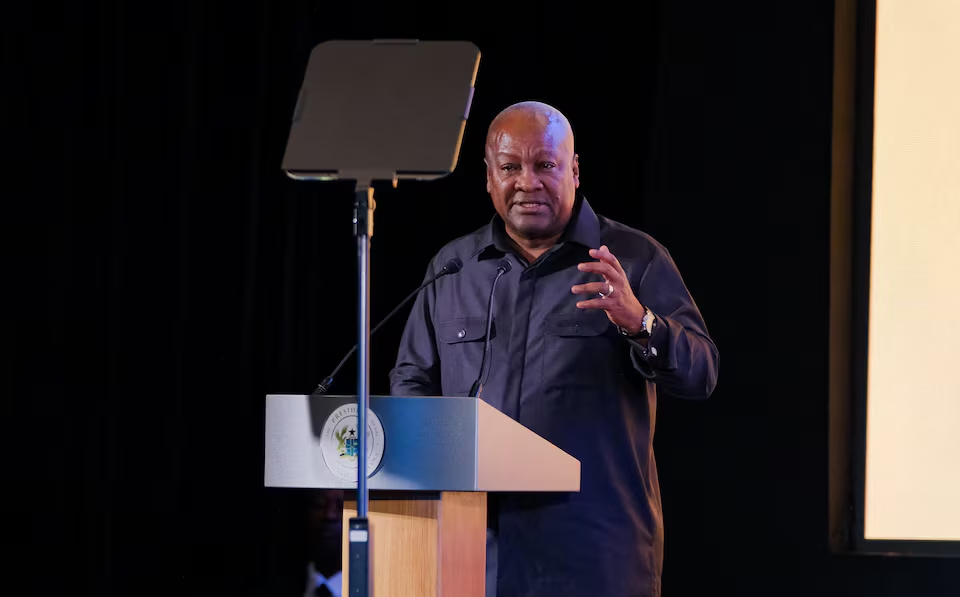
President Mahama called for improved infrastructure and predictable regulations, while assigning businesses responsibility for converting those conditions into factories, products, employment and export opportunities.
“The private sector will build much of Africa’s productive capacity.”
President John Dramani Mahama
He added that financial institutions must provide patient capital to help promising businesses expand and become competitive. Such financing, alongside infrastructure and improved public-sector coordination, would support investments requiring time to establish production capacity and reach markets.
The President also encouraged Ghanaian companies to expand beyond familiar business areas and develop the capacity to supply regional markets. He expressed the ambition to see local firms establish production in other African countries and bring Ghanaian suppliers into their expanding operations.
Incentives and Investment Opportunities Under New Economy Agenda
President Mahama disclosed that the government had approved incentives for enterprises participating in the 24-hour economy, including accelerated depreciation of plant and equipment over two years.
The incentives also include a one-year deferment of duties and taxes on imported solar plant and equipment, with the deferred payments to be made in instalments over the following two years.
He explained that the measures were intended to support businesses investing in productive capacity, while investment promotion reforms would improve investor protection, coordination among public institutions and the resolution of grievances.
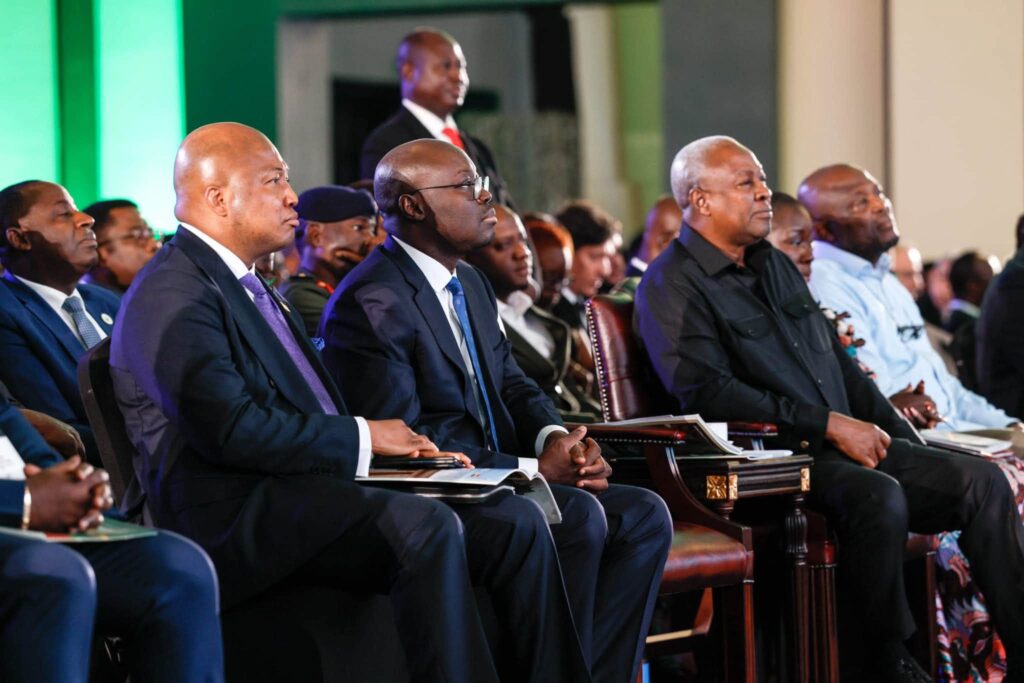
The Ghana Investment Promotion Authority would play a central role in guiding investors through the relevant processes, helping companies identify approvals, responsible institutions and ways of addressing delays.
President Mahama further noted that GIPA had mapped investment opportunities across all 16 regions. The identified areas include commercial farming, agro-processing, mineral processing, energy, tourism, pharmaceuticals, healthcare, logistics and digital services.
Projects linked to the 24-hour economy include the Volta Economic Corridor, Legon Pharmaceutical Innovation Park, Kumasi Machinery and Technology Park, Akosombo garments and textiles enclave, and Tamale Air Cargo Hub.
The President encouraged investors to engage project teams and local businesses to assess project requirements, identify potential partnerships and determine how Ghanaian suppliers and workers could participate.
Mahama Calls for Investment That Creates Local Value
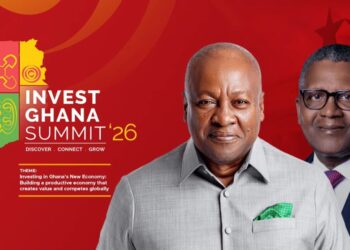
The summit’s theme, “Investing in Ghana’s New Economy, Building a Productive Economy that Creates Value and Competes Globally,” framed the President’s appeal around the need to produce competitively in Ghana and sell to markets across Africa and beyond.
He argued that the African Continental Free Trade Area offered manufacturers an opportunity to serve customers across several countries from a single production base, provided governments improved border processes, standards recognition, customs clearance and payment systems.
President Mahama stated that the ultimate test of the economy being built should be visible in the opportunities created for ordinary people. “A farmer should sell more of his harvest to a nearby processor. A Ghanaian input supplier should win a contract with a major manufacturer.”
He urged Ghanaian businesses to use the summit to find partners, improve technology and enter new markets, while asking financial institutions and development partners to structure financing around the time required to build productive enterprises.
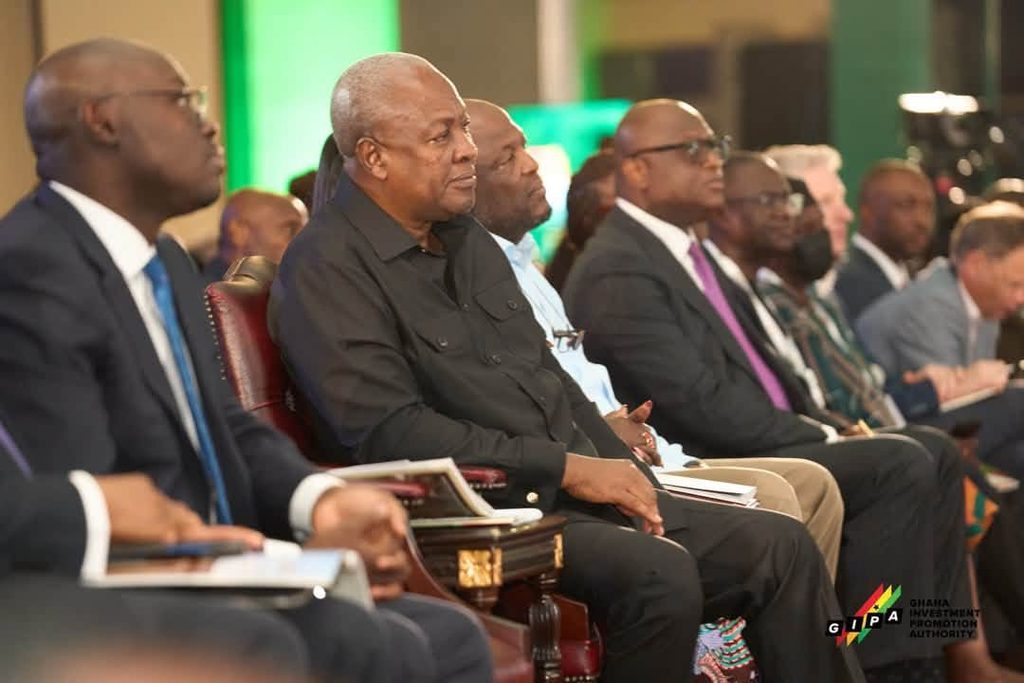
The President also invited investors from Africa and beyond to visit project locations and advance discussions towards feasibility studies and partnerships.
He maintained that government would continue working with investors to move viable projects from discussion to implementation, to expand production, creating employment and increasing the volume of Ghanaian goods and services reaching international markets.
The 2026 Invest Ghana Summit, convened by GIPA under the President’s patronage, is scheduled to continue until Tuesday, November 17.
READ ALSO: Vinicius Admits Subpar Preparation Cause of Inconsistent Form