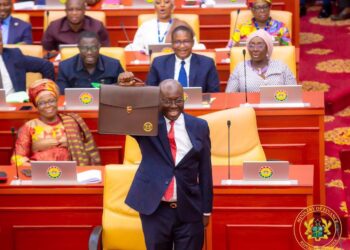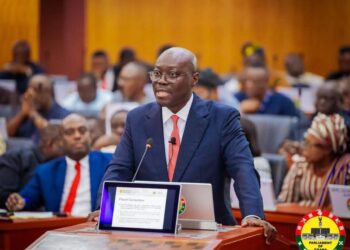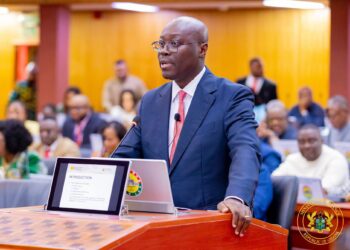
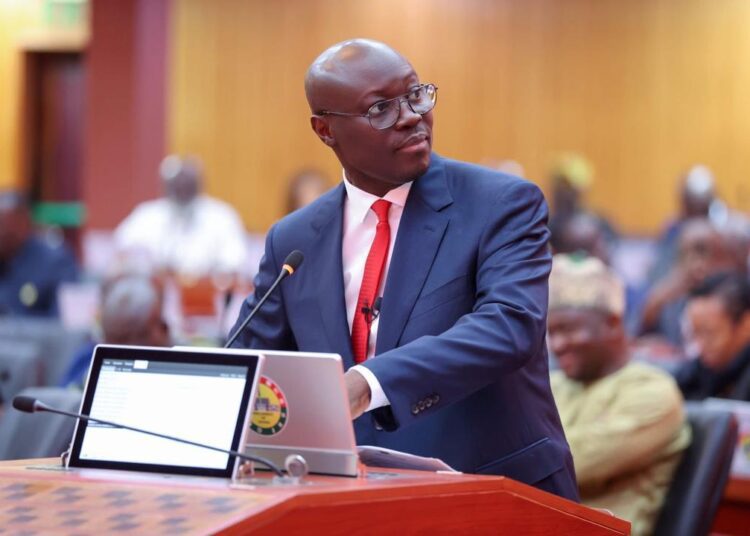
Finance Minister Dr Cassiel Ato Forson has announced two tax incentives to encourage businesses to invest in machinery and inputs, operate additional shifts, and create jobs under the government’s 24-hour economy programme.
The measures, presented in the 2027 Budget to Parliament on November 12, 2026, will defer import-related tax payments on qualifying investments and introduce accelerated depreciation for eligible business assets.
“Government will introduce two tax incentives to help enterprises invest in the machinery and inputs they need to operate additional shifts and create jobs.”
Finance Minister Dr Cassiel Ato Forson
The incentives are designed to reduce the immediate tax burden on participating enterprises while requiring them to make additional investments, create employment and adopt a three-shift operational system.
Government Defers Import Taxes on Qualifying Machinery
Under the first incentive, the government will defer the payment of import duties, levies and Value Added Tax (VAT) on qualifying machinery and inputs for one year.
Participating enterprises will, however, be required to pay the full amount due in the following year. The arrangement is therefore a temporary deferral of tax obligations rather than a permanent exemption.
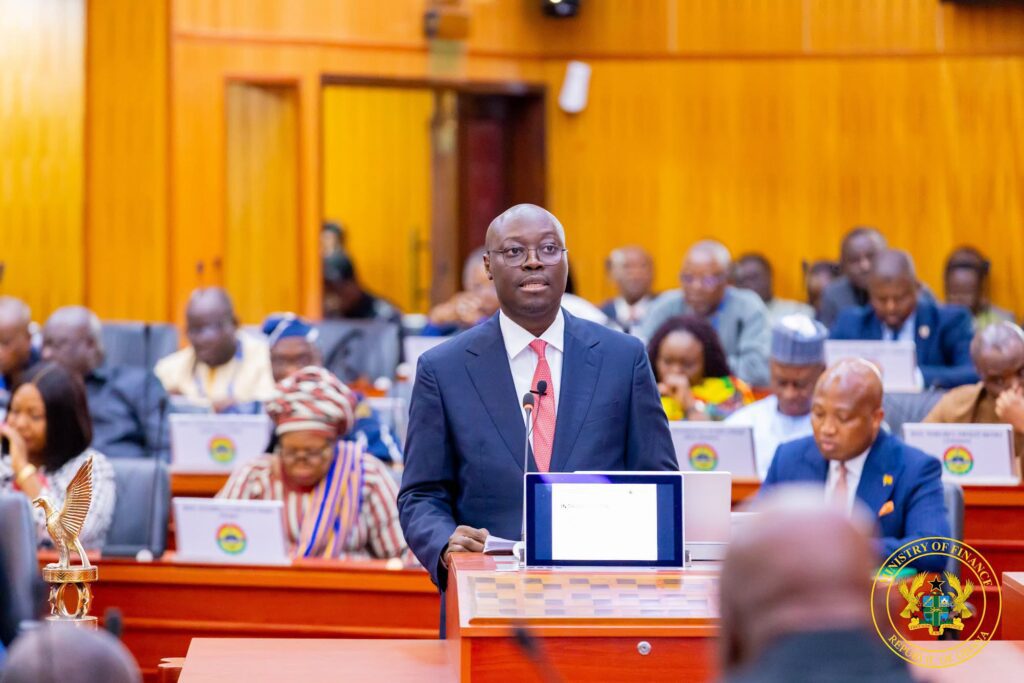
The measure is intended to give businesses additional room to acquire the equipment and production inputs needed to extend their operating hours and introduce additional shifts.
By postponing the initial tax payments, the government expects eligible enterprises to have greater flexibility to invest in productive capacity and support the expansion of operations under the 24-hour economy programme.
Accelerated Depreciation to Support Business Investment
The second incentive will introduce accelerated depreciation, allowing participating enterprises to deduct the full cost of qualifying assets for tax purposes over two years. The measure is expected to give businesses a shorter period to claim the tax deductions associated with eligible investments.
Together, the two incentives are intended to encourage enterprises to acquire machinery, improve production capacity and organise operations around additional shifts.
However, access to the incentives will depend on specific obligations. Dr Forson explained that every participating enterprise must sign a performance agreement committing to job creation, additional investment and compliance with tax obligations.
Most importantly, participating businesses must adopt a three-shift system to qualify. The performance agreements will therefore link the tax support to measurable commitments by enterprises, particularly the creation of jobs and the extension of operating hours.
The requirement places the three-shift arrangement at the centre of the incentives, ensuring that participating businesses align their operations with the objectives of the 24-hour economy programme.

Solar Panels and Batteries to Receive Import Tax Exemptions
Beyond the two incentives for enterprises, Dr Forson announced import duty and VAT exemptions for solar panels and batteries as part of measures to encourage the adoption of solar energy.
He explained that the exemptions would lower the cost of acquiring solar equipment for households and businesses, strengthening incentives to invest in clean energy systems.
The Finance Minister argued that Ghana’s solar potential could support economic activity across different sectors, including retail, agriculture, education, healthcare and manufacturing.
For traders, solar power could help keep shops operating, while farmers could use it to power irrigation systems. Schools, clinics and factories could also benefit from improved electricity reliability, helping them sustain essential services and productive activities.
Dr Forson noted that advances in solar technology and the declining cost of solar power and battery storage had made the energy source increasingly accessible. The government’s decision to exempt solar panels and batteries from import duties and VAT is intended to make the technology more affordable and encourage wider adoption.
Electric Vehicle Users Urged to Invest in Solar Charging
The Finance Minister also highlighted the potential connection between solar energy and Ghana’s growing electric vehicle market. He encouraged electric vehicle owners and users, transport operators and businesses involved in vehicle charging to take advantage of the incentives by investing in solar systems for charging purposes.
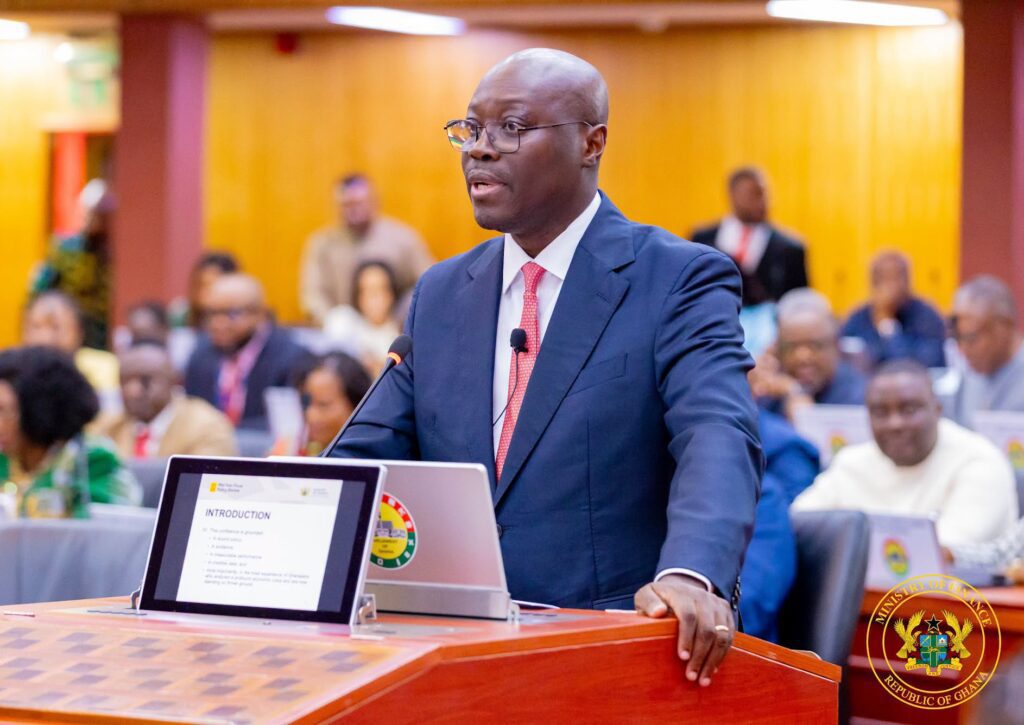
According to him, the use of solar energy could extend beyond homes and businesses to transport infrastructure, creating opportunities for cleaner energy-powered mobility. The exemptions are therefore expected to support investment in solar systems that can serve households, farms, factories and electric vehicle charging facilities.
Dr Forson urged households, farmers and businesses to take advantage of the measures, stressing the need to put the country’s solar resources to productive use. “Let us put Ghana sunshine to work in our homes, on our farms, in our factories and on our roads,” he stated.
The announcements form part of the government’s broader incentives under the 24-hour economy programme. While the two enterprise tax measures focus on supporting additional investment and three-shift operations, the solar exemptions are intended to lower the cost of adopting renewable energy across households and productive sectors.
READ ALSO: Ghana’s Nuclear Push Begins With US$200m Readiness Plan