Finance Minister Dr Cassiel Ato Forson on Thursday outlined an ambitious US$1 billion investment in tourism, culture and the creative arts as Pillar Five of the 2027 Budget, aiming to convert Ghana’s historical, cultural and stability advantages into a sustained visitor economy.
Presenting the Budget Statement and Economic Policy to Parliament, Dr Forson said Ghana possesses “a history that speaks to the world; a culture that continues to shape Africa; and a reputation of peace and democratic stability in a region that needs dependable places to meet, invest and heal.”
He told the House the government would channel US$1 billion into turning these strengths into economic opportunity.
“We will invest US$1 billion to turn these strengths into a year-round visitor economy that earns foreign exchange, sustains creative enterprise and creates better jobs across the country”.
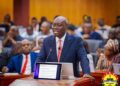
Dr. Cassiel Ato Forson, Finance Minister of Ghana
While December in Ghana will remain a key seasonal peak, the Minister said the strategy would deliberately expand reasons for visitors to come throughout the year. “December in Ghana will remain a powerful anchor, while heritage journeys, ancestry services, family reunions, education programmes and the creative arts will create reasons to visit throughout the year,” he stated.
The Black Star Experience
The Black Star Experience, he announced, would operate across all twelve months. A national calendar of events and competitive destination bidding would help spread demand across seasons and regions, turning individual events into bookable multi-day journeys.
Special focus will be placed on Ghana’s forts, castles and sites linked to the Trans-Atlantic Slave Trade. These, Dr Forson said, “will be treated with historical accuracy, dignity and care.”
He detailed a comprehensive conservation approach.
“Mr. Speaker, we will: conserve the physical assets; strengthen museums and archives; improve multilingual interpretation; train conservators and guides; and connect the sites to roads, public spaces, hotels, Ghanaian food, transport and local enterprise.”
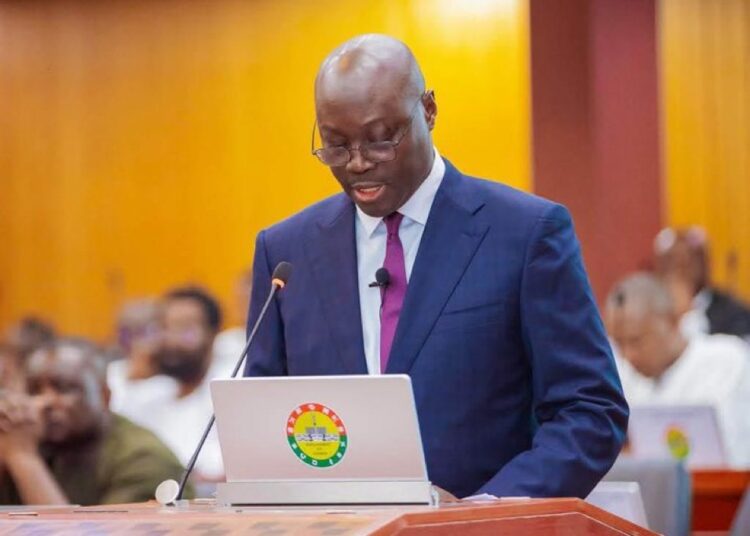
Dr. Cassiel Ato Forson, Finance Minisiter of Ghana
Conservation principles would guide any new construction, and communities would participate in telling their own histories.
A second major pillar targets conference and business tourism. “Mr. Speaker, our ambition is to make Ghana West Africa’s destination of choice for international conferences and business tourism,” Dr Forson said.
To advance that goal, the Social Security and National Insurance Trust (SSNIT) will build and operate an ultra-modern international convention centre at the La Trade Fair Centre in Accra. “It will be a landmark venue worthy of the Black Star, bringing major international gatherings to Ghana,” he told Parliament.
Accra will serve as the principal international hub, while Kumasi will be developed as a complementary destination drawing on its cultural heritage. In 2027, a professional convention bureau will be established to bid for recurring African and global conferences.
Government will also grant tax incentives to SSNIT to deliver, by 2030, a package of hotels: a five-star hotel in Accra, a five-star hotel in Kumasi, a modern affordable four-star hotel serving the Cape Coast and Elmina heritage corridor, a similar four-star property in the Volta Region for eco-tourism, and another in Northern Ghana. A new National Theatre in Kumasi will be completed as a cultural, performance, conference and creative-industry asset.
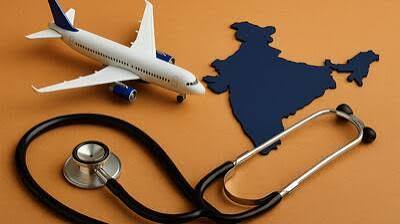
The third engine of the tourism strategy is private-sector-led medical tourism. “Mr. Speaker, the third engine will be private-sector-led medical tourism,” Dr Forson announced.
Government will establish a Ghana Medical Tourism Hub linked to specialist hospitals, diagnostics, rehabilitation facilities, hotels, laboratories and pharmacies. Targeted tax incentives will support its development, and government will provide serviced land and trunk infrastructure.
By 2030, the Minister projected, the combined efforts should deliver “higher arrivals, longer stays, greater visitor spending and stronger foreign-exchange earnings.”
He stressed that the benefits must be widely shared. “The benefit must reach Ghanaian farmers, food suppliers, transport providers, craftspeople, artists, technology firms and event businesses,” he said.
The Extremities of the Tourism Package
The tourism package forms part of the broader “New Economy, New Ghana, Jobs and Prosperity” agenda set out in the 2027 Budget.
By treating tourism as a multi-product industry spanning culture, heritage, conferences and healthcare, the government aims to move beyond seasonal peaks and position Ghana more firmly as a regional destination of choice.
Observers say the success of the US$1 billion commitment will depend on coordinated delivery across government agencies, SSNIT, the private sector and local communities, as well as sustained investment in skills, infrastructure and marketing.
If implemented as planned, the measures could significantly broaden Ghana’s tourism offering and strengthen its contribution to foreign-exchange earnings and job creation over the coming years.
READ ALSO:Ato Forson Declares No New Taxes in 2027