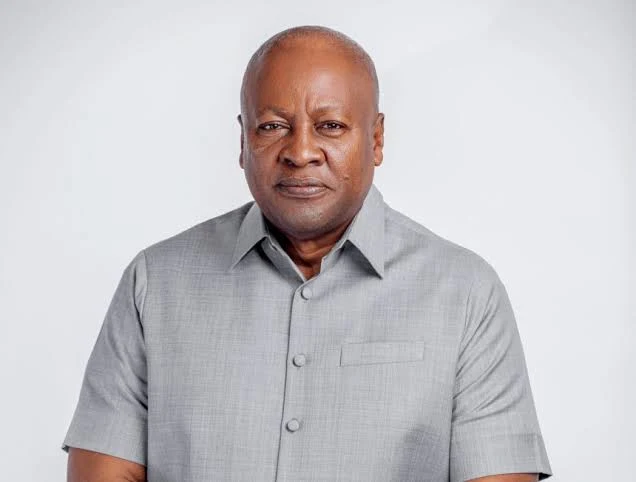
President John Dramani Mahama has assured Ghanaians and the international community that his government will allocate sufficient resources in the 2027 national budget to rehabilitate Cape Coast Castle and other forts and castles across the country.
The pledge came during a high-profile visit to the iconic UNESCO World Heritage Site on Friday, June 26, 2026, as part of the President’s two-day #ResettingGhana tour of the Central Region.
The visit highlighted the administration’s commitment to heritage preservation, tourism development, and Ghana’s ongoing role in the global push for reparatory justice for the transatlantic slave trade.
Accompanied by Minister of Tourism, Culture and Creative Arts, Madam Ablah Dzifa Gomashie, traditional leaders from the Oguaa Traditional Council, and other officials, President Mahama inspected the castle’s condition firsthand amid growing concerns over its deterioration.
Cape Coast Castle, one of Ghana’s most significant historical monuments, served as a major hub during the transatlantic slave trade. Its dungeons and structures stand as solemn reminders of the millions of Africans who were captured, held, and shipped into bondage.
The site attracts thousands of visitors annually, particularly descendants of enslaved Africans seeking to reconnect with their roots. However, years of exposure to the elements, inadequate maintenance, and surrounding development pressures have raised alarms.
UNESCO has reportedly threatened to revoke its World Heritage status if preservation standards are not met.
Addressing stakeholders at the castle, President Mahama highlighted the urgency of the situation.
“As part of our programme, we decided to come and inspect the Cape Coast Castle ourselves. I can assure you that in next year’s budget, we are going to make adequate provision to restore this place so that we keep it listed as a historical site”
H.E John Dramani Mahama, President of Ghana
The President revealed that his Cabinet had recently deliberated on a report from the Minister of Tourism detailing the state of the nation’s forts and castles and UNESCO’s specific concerns. He positioned the planned investments as essential not only for compliance but for leveraging tourism as a driver of economic growth.
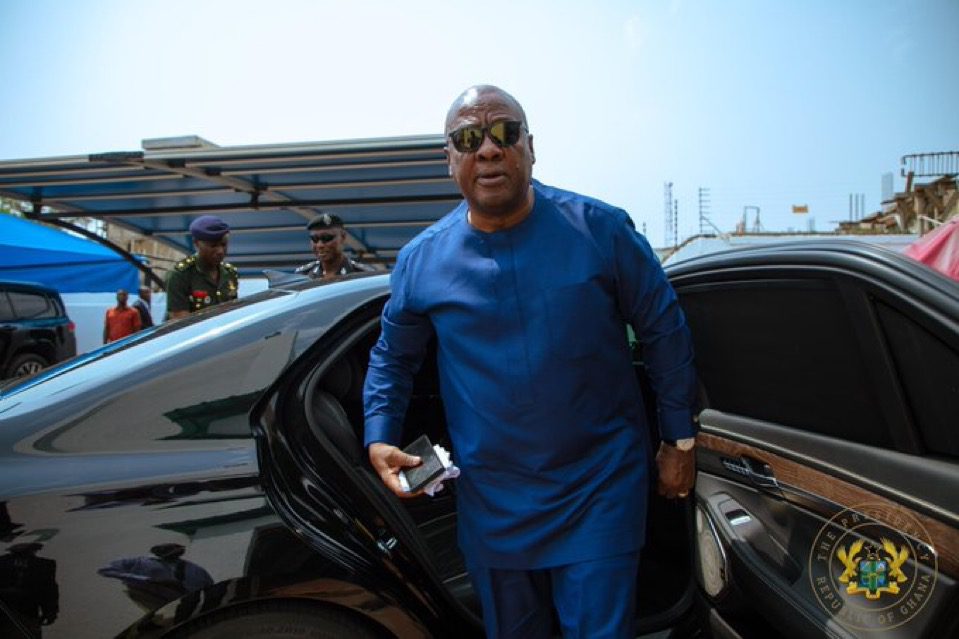
“Many people whose ancestors passed through these castles have an interest in coming back to see where they were held and how they were transported. We must keep these places attractive and well maintained”
H.E John Dramani Mahama, President of Ghana
He added, “…and so the Ministry of Tourism has to keep this in good shape so that it makes it attractive for people to come and see what’s happening.”
The visit included a powerful theatrical re-enactment of the slave trade experience by the School of Performing Arts. President Mahama, visibly moved, commended the performers. “This is not the first time I’ve come to Cape Coast or Elmina or Osu castle but nothing prepares you for the re-enactment of how the slaves were treated.
And so I want to thank our School of Performing Arts for coming here,” he stated.
The performance recently gained international acclaim during the Next Steps Conference on Reparations in Accra and has earned an invitation to perform at the unveiling of a slavery monument in Barbados later this year.
Madam Gomashie echoed the President’s sentiments, stressing the need to clear the buffer zone around the castle and rally all stakeholders, including traditional authorities, to protect the site.
She described the castle as a powerful educational tool and a cornerstone of Ghana’s tourism industry.
President Mahama’s Central Region tour extends beyond heritage. Earlier on Friday, he cut the sod for a 24-hour economy market at Assin Bereku and inspected the Kafodzidzi–Aburansa “Big Push” road project. He also visited the Nyamedom Community Planning and Health Services Compound, where he presented free healthcare kits in line with the government’s Free Primary Healthcare policy.
On Saturday, June 27, the President is scheduled to inspect additional road projects, including the Apam-Mumford-Hweda-Dago-Otuam stretch, and engage citizens at a town hall meeting in Apam.
Tourism experts and historians have welcomed the President’s announcement. Ghana’s forts and castles, stretching from the Volta Region to the Western Region, collectively form a UNESCO World Heritage Site inscribed in 1979.
They represent not only a dark chapter in human history but also a potential goldmine for sustainable tourism if properly maintained. Industry stakeholders argue that investments in restoration could boost visitor numbers, create jobs in hospitality and guiding services, and generate foreign exchange.
The pledge aligns with broader government priorities under the #ResettingGhana initiative, which aims to bring governance closer to the people through direct engagement and accelerated infrastructure development.
President Mahama has repeatedly framed tourism, culture, and creative arts as vital pillars of economic transformation, especially as the country seeks to diversify beyond traditional exports.
Public Reaction
Critics, however, may question the timing and funding priorities amid competing national needs such as healthcare, education, and road infrastructure. Supporters counter that heritage preservation pays long-term dividends and fulfills Ghana’s moral and cultural responsibility as a leader in the African diaspora’s reconnection with the continent.
As Ghana continues to champion reparatory justice on the global stage including through President Mahama’s recent engagements at the United Nations and with Caribbean leaders maintaining these physical links to the past becomes increasingly significant.
The castles are not mere relics; they are living classrooms that educate visitors about resilience, human rights, and the enduring bonds between Africa and its diaspora.
President Mahama’s commitment signals a proactive approach to safeguarding these assets. With the 2027 budget allocation now promised, attention will turn to implementation, stakeholder coordination, and measurable improvements that satisfy UNESCO requirements while enhancing the visitor experience.

For the people of Cape Coast and surrounding communities, the announcement brings hope of renewed economic activity and pride in their heritage. For the nation, it reinforces a narrative of responsible stewardship of history while building a brighter future.
As the President noted, preserving these sites ensures that future generations both Ghanaian and international can confront the past with honesty and draw strength from the resilience of those who endured it.
READ ALSO:KNUST Promotes Mineral Waste for Sustainable National Economic Development